New Coastal Trails Australia
If you are after a newly put up or upgraded coastal walking track, New Coastal Trails Australia 2026 is where to begin. One has to be aware though that an opening can be called off for any number of reasons: construction, the weather, environmental red tape, a closure or private land issues. It is best to put in a call with the park authority before you go.
The guide is intended to help you plan a safe day on the coast, including coastal hike safety essentials, to size up new hikes across Australia and know what a trail announcement should tell you. Charles Whitmore approaches travel from the side of reality, the kind that entails ordinary footwear, a timetable one is perhaps too sure of and the question of where the dunny is.
Find The Latest Coastal Openings
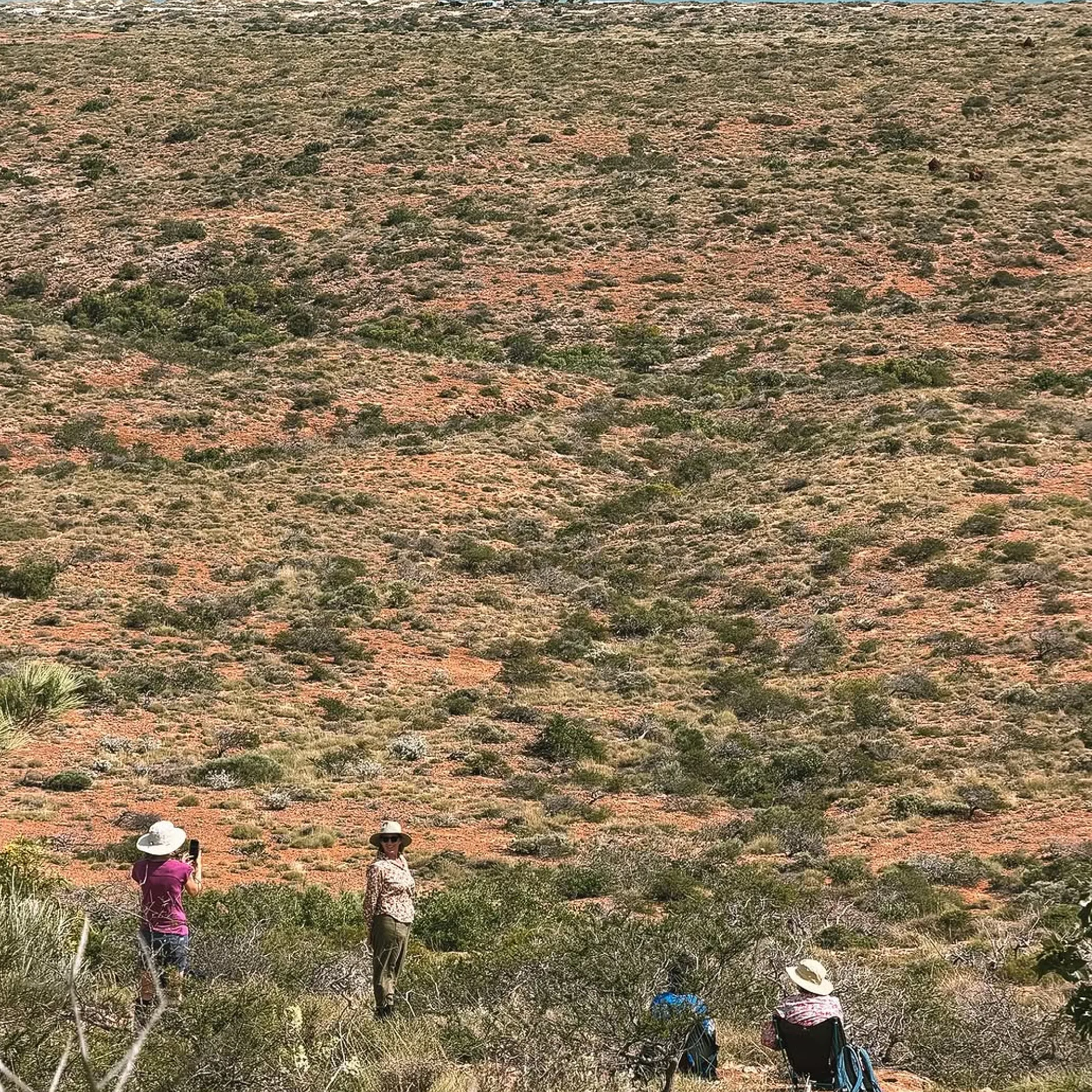
With thousands of kilometres of coastline in Australia a new track is not necessarily a path from scratch. It could be an upgrade to make access better, a clifftop route made more secure, a boardwalk put in its place or a long-distance trail that has been put back in service.
There is no national list of 2026 openings to speak of as yet, so do not take a social media post or headline as your ticket to walk. The state park agency, council, Traditional Owner or land manager will have the last say on that.
What Counts As A New Trail
Call it new if a part of the country once off limits is now open. Or when an old track is given a new trailhead, some signage, a bridge, an accessible surface or a way to get there by public transport.
It is worth making the distinction. Put in a new boardwalk and families will find it easy enough, but the rest of the route can be as rough as guts once it has rained. A sign will not make a steep hike any less of one.
Use Official Opening Information
A government department or authorised land manager will put out a dated notice with the details: permits, the opening date, how difficult it is, conditions of access, distance and the trailhead. For Commonwealth places and national parks start with the Parks Australia visitor info; for most of the coastal tracks in Australia the state and territory parks agencies are the source.
Choose A Trail By Region
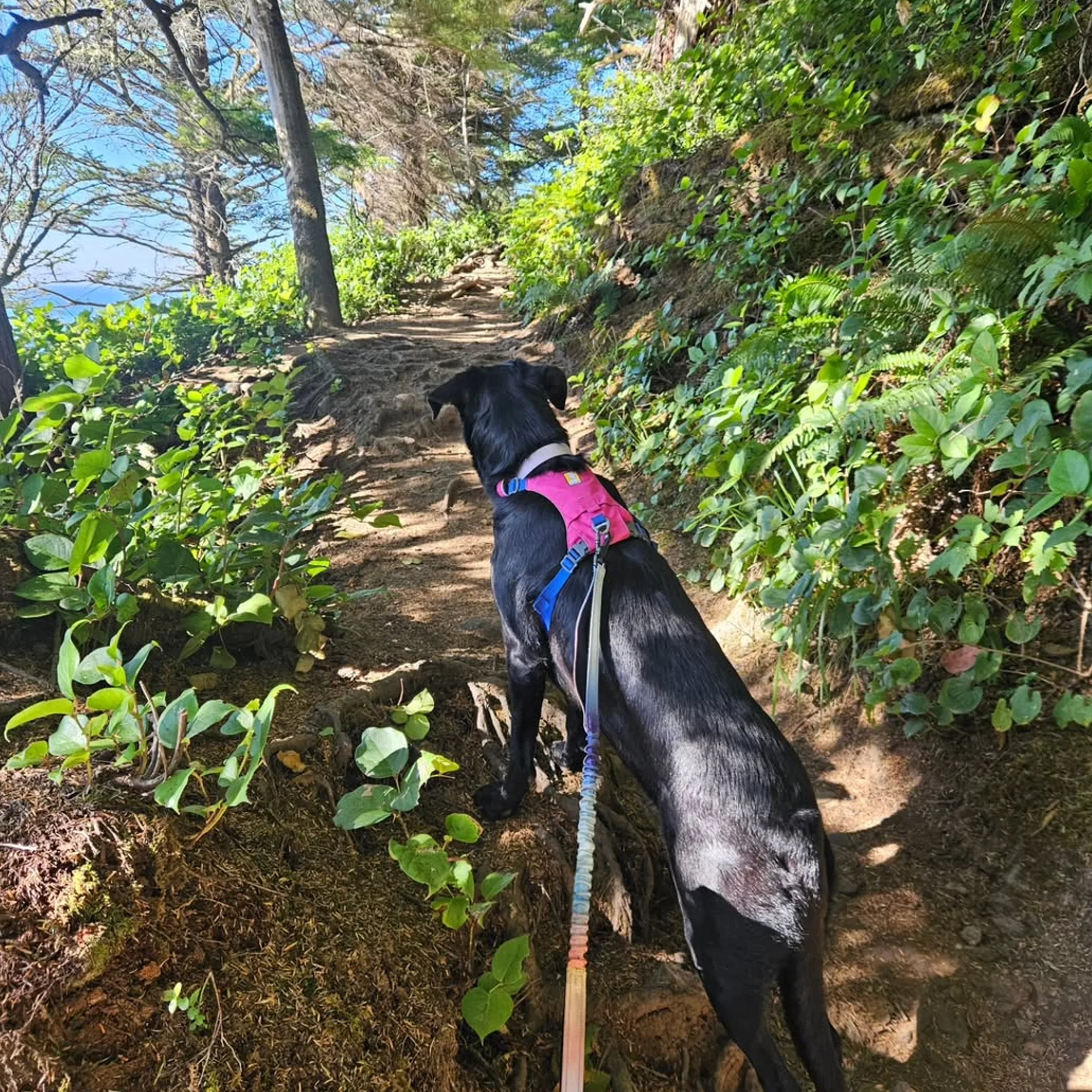
An internet search for “coastal walks near me” in Australia will turn up a jumble of old reviews and routes that have been closed for good. Be more specific with the state, the park or the name of the trail and see if the information is current for the season.
One does not plan a cool southern clifftop in the same way as a humid Top End or Pilbara beach track, even if they are all termed “coastal”.
New South Wales And Victoria
Expect to come across headlands, rock platforms and clifftops as well as beaches in these two states. You may have to contend with surf, erosion, steep steps and parking, or a temporary closure in the wake of a bushfire or storm.
You might be able to use public transport to get to an urban route but the approach to the trailhead can still mean a long unmarked stretch along the road shoulder. Do not let a train station by the coast lull you into thinking the trail is right there.
South Australia And Tasmania
Those who like their views unencumbered by a theme park at every opportunity will find what they want in South Australia’s open coastline and low scrub. I have found in the Adelaide Hills that a hat held on by nothing but optimism is a poor defence against the wind that can pick up by lunchtime.
In Tasmania the remoteness of a coastal route is not always apparent from the map. Between the cold rain, lack of phone signal and slippery ground a couple of hours can become a full day. Allow for navigation and the odd squabble with a wet sock.
Western Australia And Northern Australia
From the foreshore in the city to the back of beyond, Western Australian walks demand some forethought as to fuel, water and communications. In the north the heat, flooded roads and cyclones between November and April will have an impact on access.
Aboriginal land access, swimming and crocodile warnings need to be heeded in the Top End and northern WA. Even if a trail is to be found on a public map, do not assume you are exempt from having a permit. And while the Stuart Highway and Gibb River Road will get one to some very remote places, they are not forgiving of haphazard fuel planning.
New Walking Sections: A Comparison
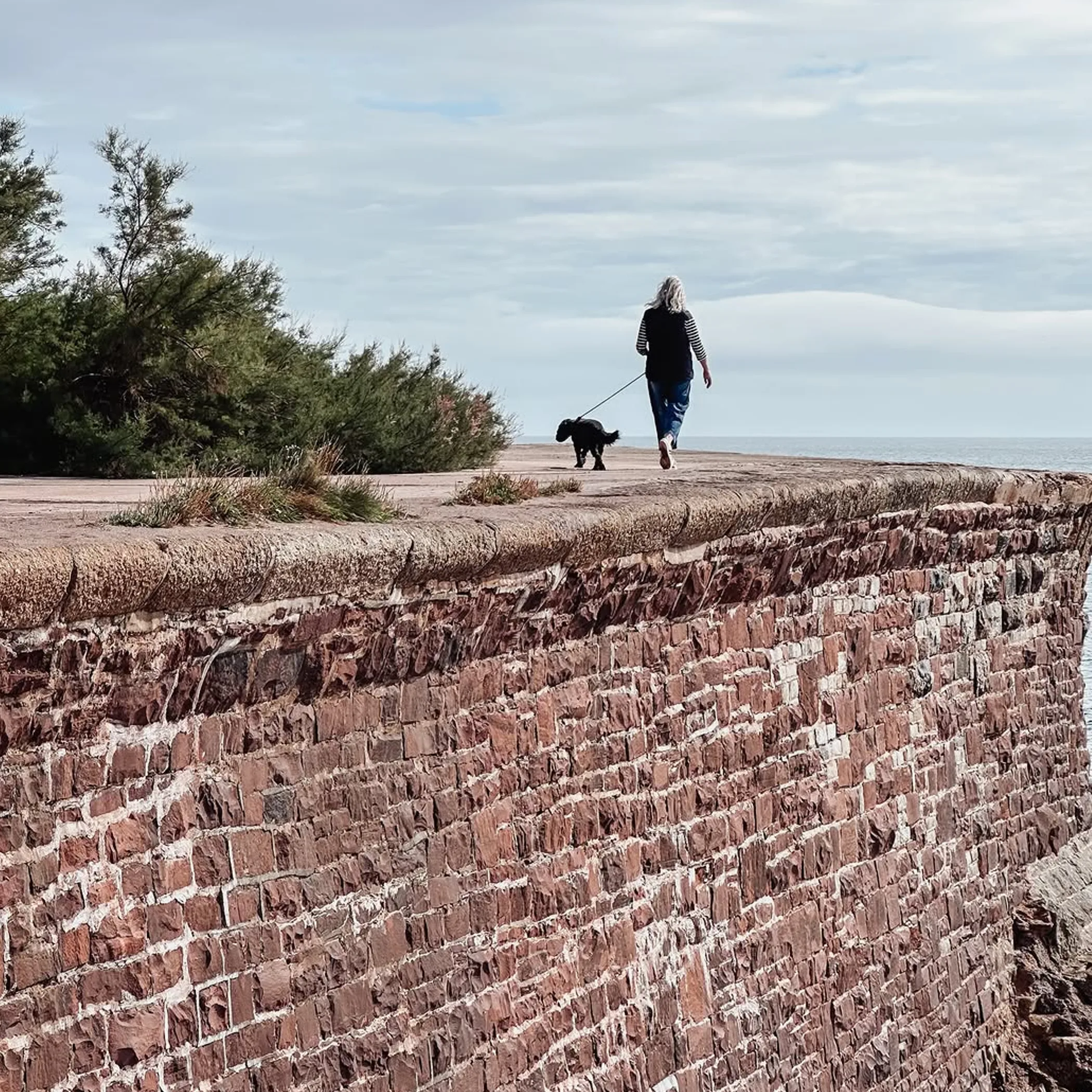
Once a 2026 route has been put to paper, make a comparison with the fundamental particulars in mind. The distance is only part of the story of a coastal walk; the signpost number is less telling than the tides, the exposure, the rock shelves and sand, the steps or the weather.
The following table is a useful way to size up a new section before you put down a booking for accommodation or put it to the family that it is “a gentle stroll”.
| What To Check | Why It Matters | Practical Question |
|---|---|---|
| Trailhead | For navigation, water, toilets and parking. | Is the start point safe for all? |
| Distance | An advertised one-way can double on the return. | One way or back again? |
| Duration | Time is eaten up by wind, photos, sand and stops. | What would a return time be in bad conditions? |
| Difficulty rating | Park authorities have their own way of rating. | Any loose rock, scrambling or stairs? |
| Tides | They can render a beach or rock platform unpassable. | Is there a low-tide window to be had? |
| Access | Public transport and the road are subject to the season. | Should the route be shut, what is the way back? |
| Facilities | There may be none of them out in the country. | What needs to come from the trailhead? |
Tailor The Walk
It is no surprise that new infrastructure lures those who have not made the older route; local tourism benefits but expectations can run ahead of reality. A nice boardwalk might well give way to an exposed headland or a steep drop where balance is called for.
A beginner is better off at a short, plainly marked stretch with good public transport or a visitor centre on hand. Those with more experience can take on a longer connection but would do well to see where the nearest road exit is and check on water and emergency access.
Make A Day Of It
Australia’s finest coastal walks are not always the ones that cover the most ground. Pick the one that is commensurate with your fitness, daylight hours and what you can stand in the way of wind. Do not discount a route that finishes close to a bakery as a consideration.
Check the trail status for the day before setting off. Old data lingers in search results and a route can be put out of action by a storm, fire, flooding, rockfall or wildlife.
An Itinerary That Makes Sense
With a single day to spare, go for the section that is easiest to get back from and has the best safety credentials. Put in some leeway for lunch, a wrong turn, the odd photograph and so on. Out on the coast a headland can look much like the last until you are trying to navigate.
For the family, opt for something with shade and an easy exit. On a longer walk, have a vehicle shuttle or public transport in place. You do not want to find after six hours of walking that a service does not run in the wet season or on a weekend.
Put Some Money Aside
Whether it is a matter of permits, food, entry fees, parking or fuel, costs will differ. A walk in town is little more than transport and lunch; a multi-day venture in the bush means you are looking at campsites, vehicle hire, water storage and money for an unplanned night.
There is a difference between free entry and free travel. Between replacement tyres, emergency lodgings and fuel on a remote road the budget can be blown. Have a form of payment that does not need reception and some cash for the smaller concerns of a regional business.
Coastal Realities
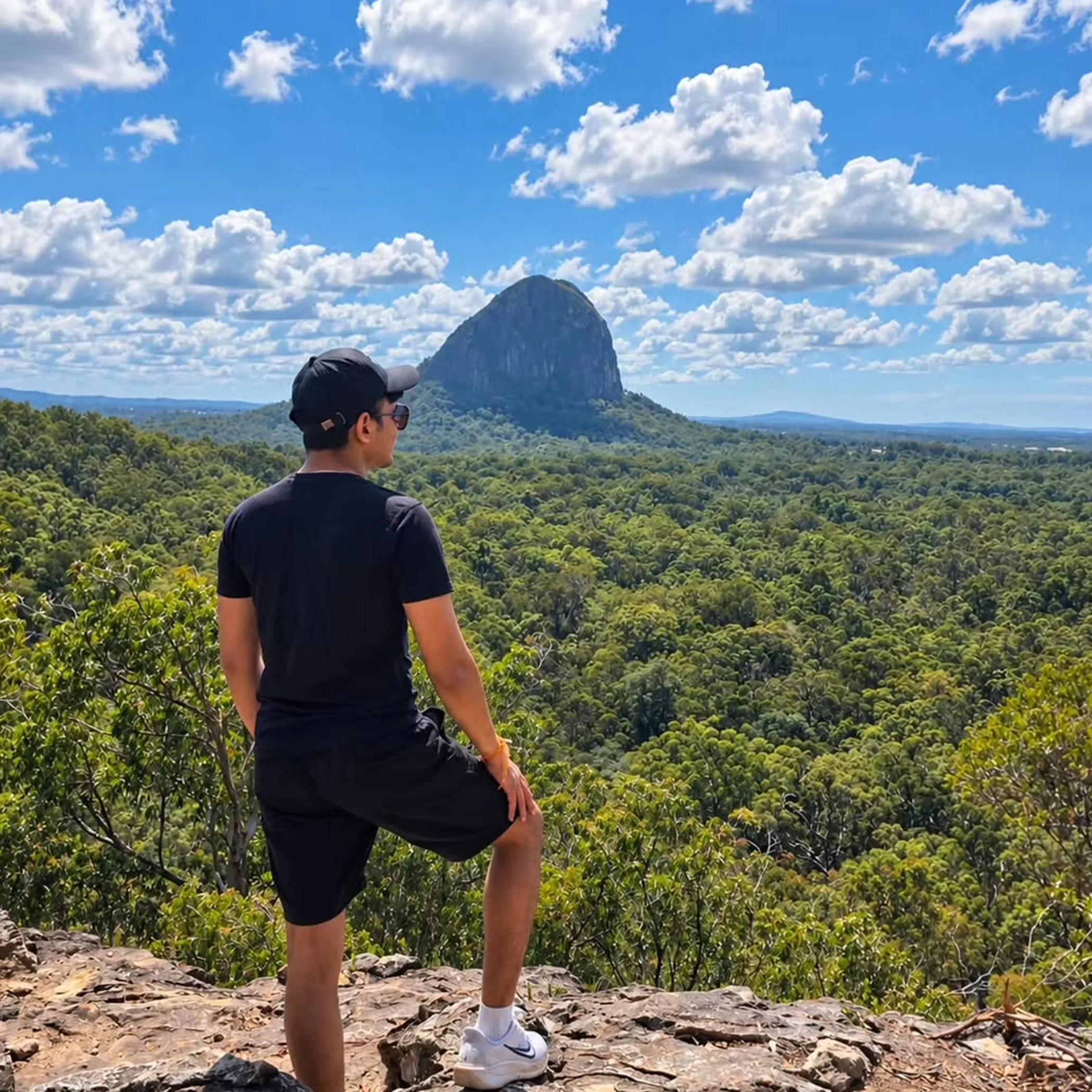
Inland is one thing, but by the sea the weather has a mind of its own. Rocks are made treacherous by rain, heat by the sun will have you drinking more, and smoke in the bushfire months is hard on the lungs. Up north the wet season will have its effect on creek crossings and roads even when the trail looks fine.
Then there are the tides. What is a perfectly safe passage over the rocks at low tide can be another matter a few hours on. If the word is not to cross at high tide, then do not. The ocean is not going to accommodate your schedule.
Have The Right Gear
- Water, a first-aid kit, sun protection, a phone with a charge, an offline map and a light you can rely on. For an exposed or hot route, pack more water and a physical map to be sure of it.
- Put on footwear that is right for the surface, let someone know what route you will be taking and when to expect you back, and make sure there are no track closures in place. For a walk in more remote country, have the means of communication the area demands and be conversant with its use.
There is no need to leave a trace. Remain on the walking track as marked, keep your dog where you can, put your rubbish in your pack and give wildlife a wide berth. Shells, rocks, plants and cultural materials should not be taken from the coast; it may be a well-trodden spot but it is not indestructible.
Coastal Hike Safety Essentials
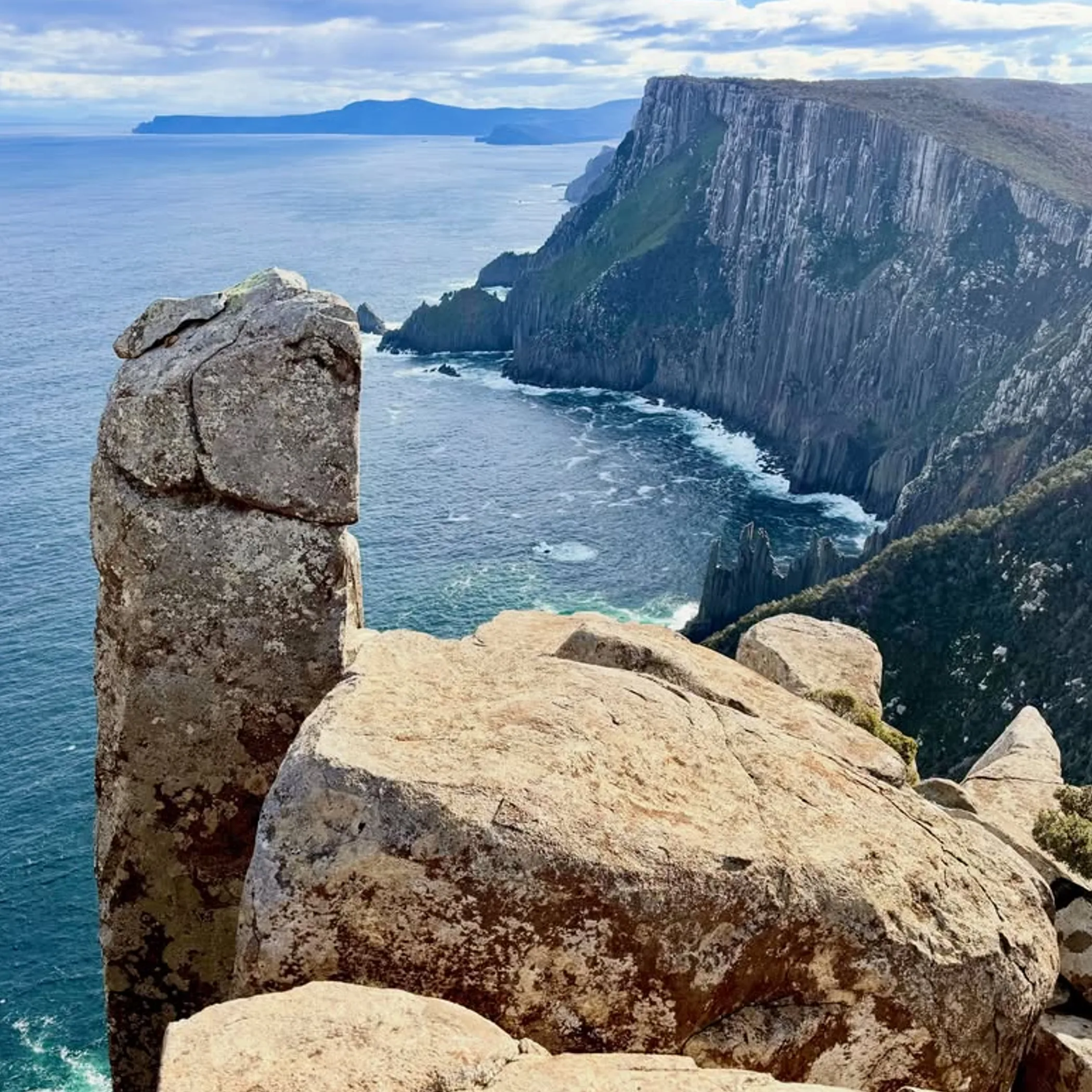
These are as much a part of an established local track as they are of a trail opening for the first time. Check the forecast and if it turns for the worse, do not hesitate to turn back. Put a responsible person in the picture as to your whereabouts.
A small delay is how most emergencies get started: a late start off, a water bottle left behind, the car park closed or the notion to press on “to the next point”. Throw in a tide, a sprained ankle or a phone that has given up and any margin you had is gone.
What Catches People Out
The return distance is something many put too little stock in. A traveller might see the sea and think the coastal walk is all flat, but headlands mean you will be climbing repeatedly and the soft sand will take its toll. On the way back the steps can be quite rude.
Then there is the error of putting one’s faith in a single weather app. Make a conservative call after you have weighed the official forecast against any local or park alerts. If the park managers or fire authorities say do not go, then the walk is postponed.
A Rule of Thumb
If you do not have the necessary permit, the trail is off limits, the tide window is slim, the group is not fit or equipped for it, or there is bad weather in the offing, do not set out. It is easier on everyone’s weekend and far less costly than a rescue.
Frequently Asked Questions
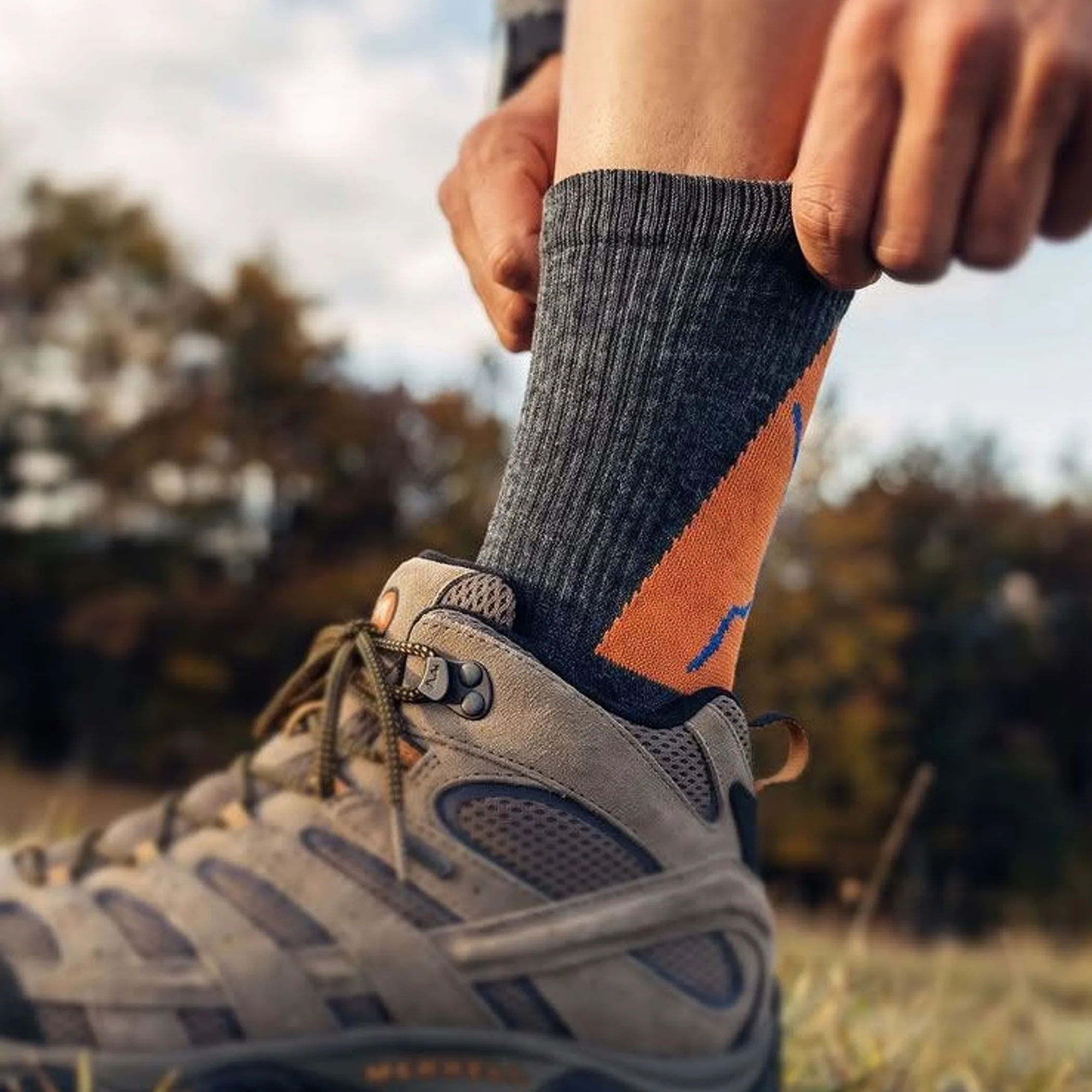
The following should put to rest some of the questions that come up with new hiking trails across Australia, be it over access or the reliability of them and what constitutes a safe walk versus an opening announcement.
What Are The Latest News Headlines In Australia Today?
For live trail access the news is not to be trusted. A report could be talking about a project in the making and not an open track. With a coastal walk you would do well to check with the council, land manager or park agency on the day.
Are New Coastal Hikes To Be Had By Beginners?
In some cases yes, but new is not synonymous with easy. Have a look at the official rating for difficulty, elevation and the like. A beginner would be better served by a short, clearly marked section from which to make a return, steering clear of anything exposed or at the mercy of the tides.
Do I Need Permits For Australian Coastal Walking Tracks?
You may. It is down to the land manager and the arrangements at the campsite or park. There can be extra permission needed for Aboriginal land. Before you travel, especially on a multi-day route or in the bush, verify with the proper authority.
Is Public Transport An Option?
Once you have looked at the whole journey. You may get to town but not to the trailhead and some services are seasonal at best. See what the last departure is and how far you have to walk from the stop.
Track Closures
Should one occur, do not go looking for a shortcut around the fence. Closures are there for a reason, be it unstable cliffs, flooding, fire, a cultural site or wildlife. Take an approved route, ring the land manager if you are in doubt and put those waiting for you in the know.
Make The Right Choice Of Trail
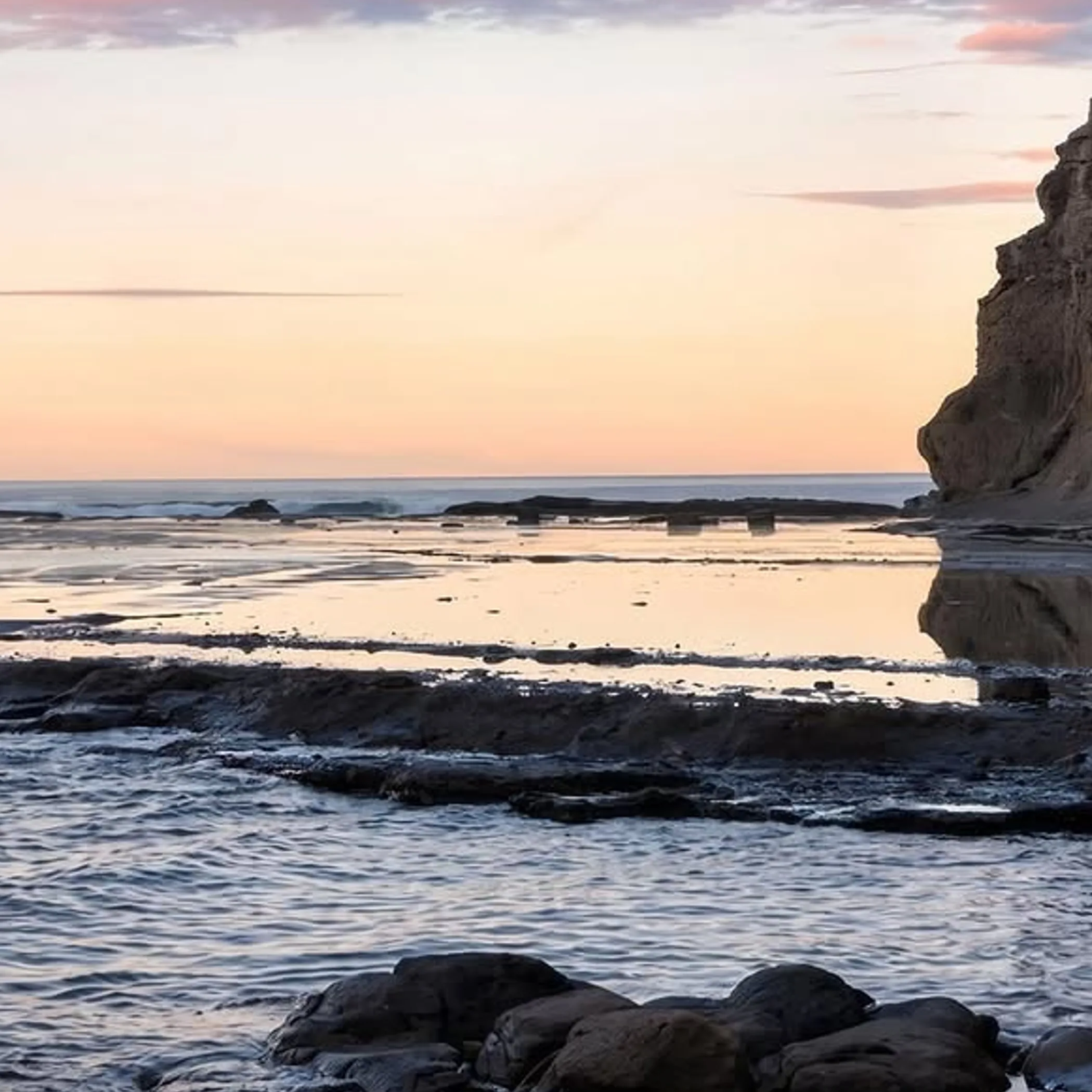
Any 2026 guide to walking trails in Australia worth its salt will allow for uncertainty. Plan on the weather and tides, verify the opening and pick a distance the group can handle going and coming.
Curious travellers and families in droves will still be drawn to the new coastal walks being put on in Australia. Be prepared and have realistic expectations. Leave the coast as you came to it. And if there is a bakery at the end of it, fine, but do not make that your whole plan.
