There are three rules to begin with when it comes to aftercare in these conditions: see the area is clean, put it out of the way of direct sun and do not go for a swim till the tattoo has healed. While a fresh tattoo can be made to fester by humidity, dry heat, chafing, UV and so on, sensible day to day care will see you through the healing without too much drama.
I am Charles Whitmore from the Adelaide Hills, where a nice afternoon in summer has a way of testing one’s patience (and your supply of water and sunscreen). This guide is for anyone in Australia, from Melbourne to Adelaide and beyond, who wants to get on with summer aftercare in a practical manner and forego the panic, folklore and fuss that some have when their work of art begins to peel.
The Reason For The Attention
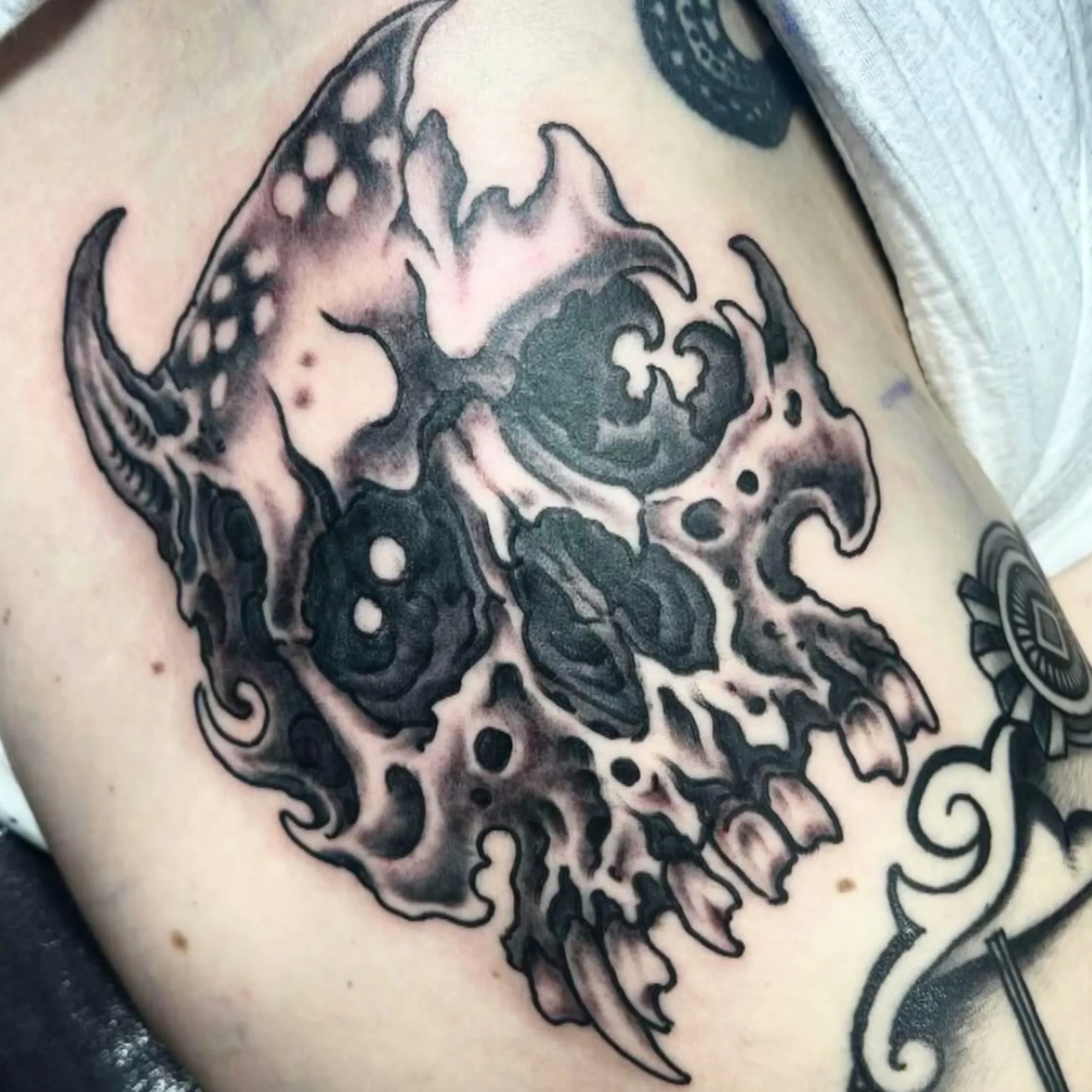
A new tattoo is skin in the process of healing, not something already done up. It is liable to be warm, weepy, tender or swollen in the early going. Sunlight can have an effect on the pigment and harm exposed skin; heat and moisture will only compound any irritation. Using safe vegan cosmetic tattoo inks is another part of supporting skin health.
You will find the conditions across Australia are not uniform. The north can be humid and hot in the wet season, Melbourne is given to warm days followed by a turn for the cool, then there is the strong sun and dry heat of Adelaide. But exposure is the issue in all cases, with dust, water, rubbing and sweat getting in the way of a comfortable recovery.
Dealing With Humidity And Sweat
Sweat is not going to undo a tattoo of its own accord, though if it is allowed to build up on the skin it will sting and itch. Tight clothes can be a problem too, holding moisture to the tattoo and chafing it. In the kind of weather where the air is thick with humidity, the skin tends to remain damp longer than you would like.
Dry heat is its own bother. You may find the skin flaky and tight, especially after being in the open or under the hot wind and air conditioning. Resist the urge to put a heavy product on it. There is more to be said for a thin application of balm than a sticky, glossy coating.
Common Misconceptions
Some hold the view that a tattoo will put itself right quicker if left covered at all times. Others put it in the full sun on the basis it needs air. Neither is as simple as that. A fresh piece of ink requires protection from contamination and friction but also clothing that lets it breathe and a good cleaning.
Then there is the matter of peeling which is often seen as a sign of things going wrong. Flaking is part of the course of healing. If you start picking or scratching at loose skin you risk taking some of the pigment with it and making the irritation last. Leave it to shed, even if it is a bit unsightly for a few days.
Washing And Drying The Ink
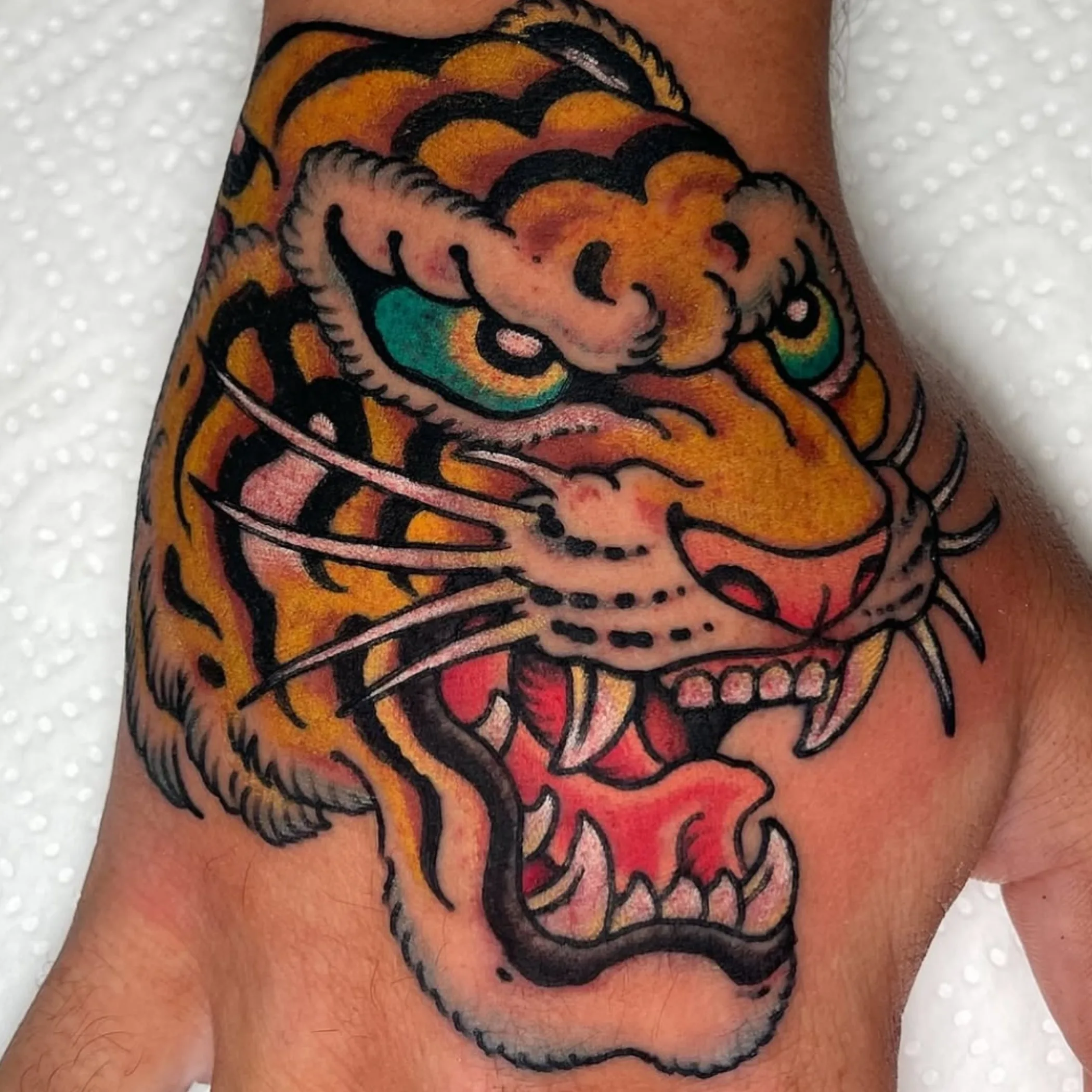
Consistency is what counts here, not an array of pricey products. A wash without fragrance and lukewarm water will do to get rid of the excess ointment, dust and sweat.
Heed your tattooist on any initial dressing. Do not be in a hurry to take one off just because the edges are not looking tidy; coverings have their time. When the time comes to remove it, give the tattoo a gentle wash and stay away from hot showers.
A Routine For Cleaning
Hands first. Then take a little fragrance-free wash and some lukewarm water. Run your fingertips over the tattoo, there is no need to put in the effort of a loofah or exfoliating glove. Rinse thoroughly.
To dry off, use a soft towel or a paper one and pat, do not rub. Rubbing is the surest way to make a minor thing a nuisance in the summer. Put on what your tattooist has recommended in the way of aftercare, no more. The skin should be able to breathe and not be caked over. Should the tattoo become unduly swollen or painful, put the products aside and get some professional opinion.
On Showers And Air Conditioning
A shower should be warm, not hot, and do not let the force of the water bear down on the tattoo. Prolonged hot water will leave the skin around it red and dry. Once you have had your wash and patted the area to settle, dress it.
Air conditioning is a welcome relief in the height of summer but the dry, cool air can have the skin feeling taut. Have plenty of water and stick to the aftercare product put forward for the job. Do not put household oils, moisturiser or anything with a scent on it unless your tattooist or doctor has given the nod.
Sweat, Humidity And Chafing: How to Manage Them
One could say the most effective way to look after a tattoo in these conditions is unexciting. The prescription is to see that there is no rubbing, to put on fresh clothes if they are damp and give the area a good clean as called for. There is no call for any ceremony with a dozen products and a magnifying glass.
When it comes to exercise one should be more circumspect. You can get away with an easy walk, but hard training will have you sweating profusely and put friction and stretch on the tattoo. Then there is the grime from contact sports or communal gym equipment that healing skin would be better off without.
A checklist for controlling sweat
- After a good sweat, put some lukewarm water and a fragrance-free wash to it with clean hands.
- Do not linger in a damp shirt, sock or compression wear; change as soon as you can.
- Wear something breathable so it is not dragging or pressing on the tattoo.
- See to it that your towels and bedding are spotless during the healing process.
- Resist the urge to scratch, pick or rub at it hard, no matter how irritating the itch.
For those working outside, make sure you have a towel, some water and a spare shirt of a breathable kind and take your breaks in the shade. Contamination is a risk in a kitchen or on a building site or around livestock and requires extra vigilance. A kelpie might be a faithful companion but makes a poor sterile dressing.
Travel and Dry Heat
On a long haul like the Stuart Highway you have sun coming in the window, air conditioning and not much in the way of clean facilities. Put some cool, breathable clothing over the tattoo and do not let it rest on hot vinyl or anything rough in the car.
Bush travel means you need to have enough drinking water and make plans for a clean stop before setting out. Questionable water at a campsite basin or from an outdoor tap is not what a new tattoo should be washed in. Should it get soiled, bottled water and proper supplies are in order until you can do it right.
UV and Sun Protection
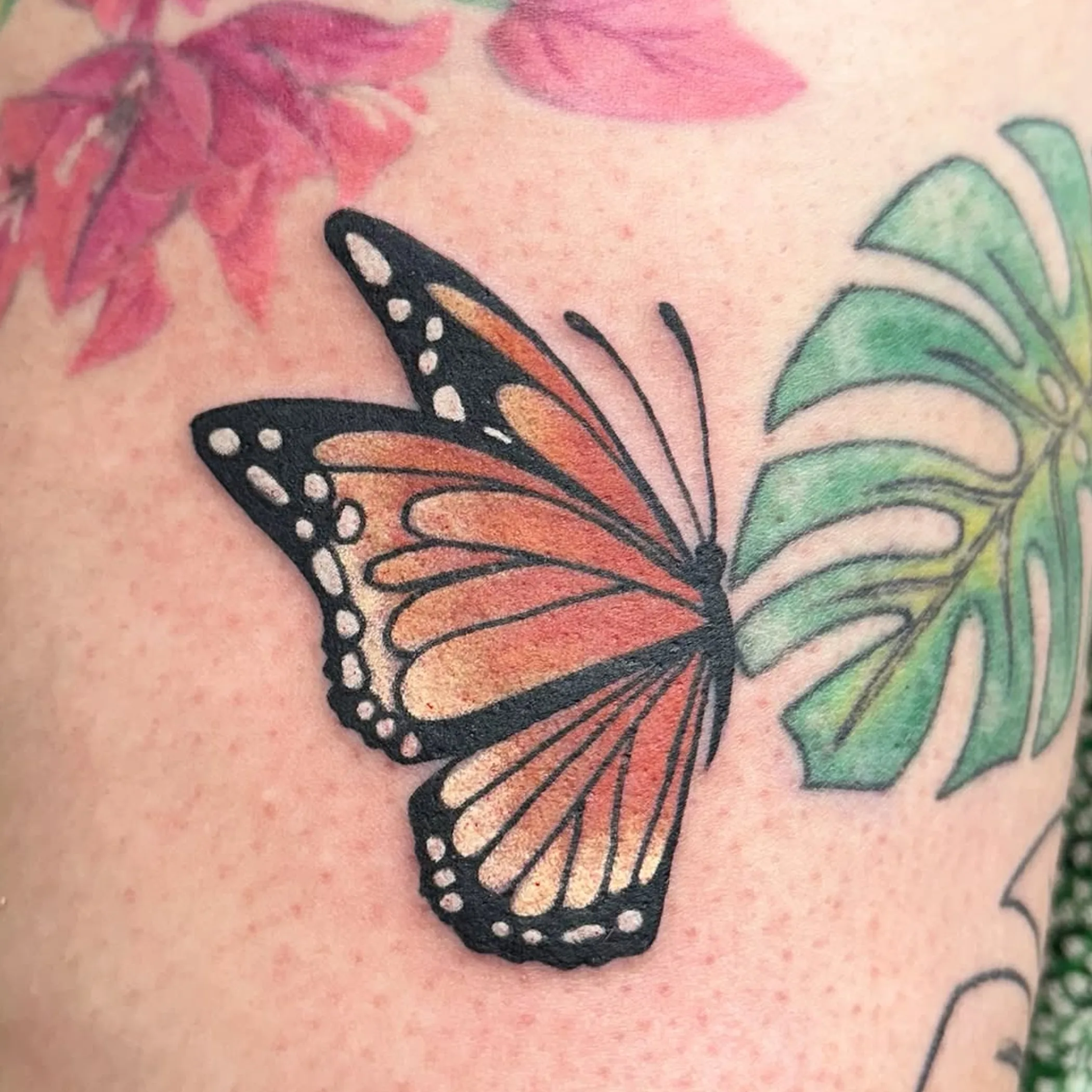
Vulnerable skin such as a new tattoo should be kept from the sun. A sunburn will only add to the pain, slow down recovery and mar the appearance of the tattoo when it is done. Rely on timing, clothing and shade instead of putting all your faith in sunscreen.
The Bureau of Meteorology has UV Index figures for Australia. If it is 3 or higher, protection is advised, so consult the Bureau before making any outdoor plans.
Making use of Shade
An umbrella, verandah or tree will cut down on exposure but do not think shade is going to stop every ray. A loose, clean garment of a breathable nature is more to be relied upon than nothing at all.
There is no point in wrapping the tattoo up in plastic for an outing, it will hold in the heat and moisture in any humidity. And if a dressing is to be put on, do as the tattooist says, do not make do with what you have in the house.
Sunburn is No Joke
You should not be getting sunburned on a tattoo two weeks old. The skin may appear calm but it is not completely healed. The pigment is vulnerable and a burn will bring on blistering and inflammation.
In the event of a sunburn, put a cool compress on it and leave it alone. Do not put unapproved products on it. Any signs of spreading redness or severe pain and you should see a doctor.
Summer Pursuits and the Beach
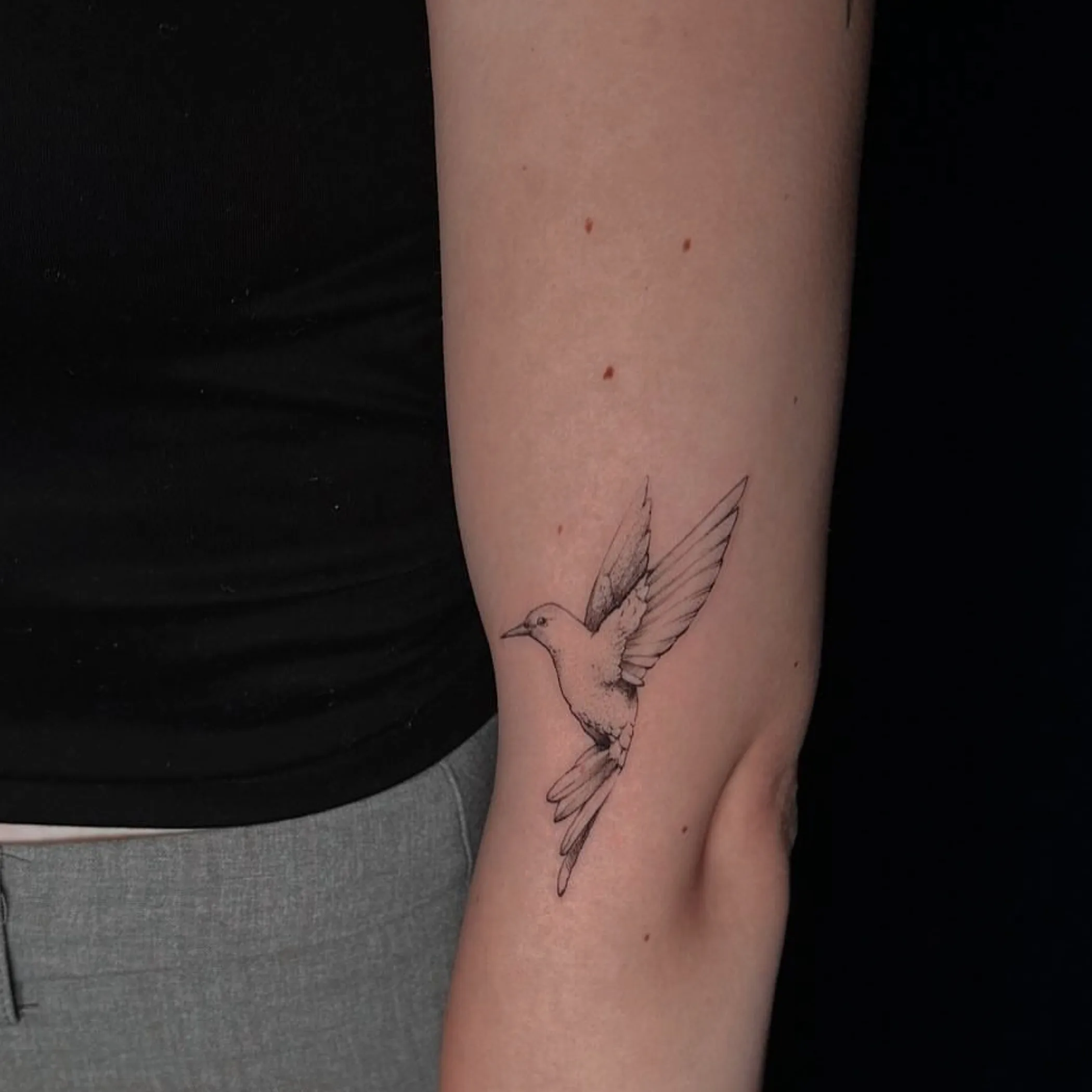
Tattoo aftercare when it comes to swimming is simple: no pools, rivers, ocean or baths for the fresh work until it is healed. Salt, chlorine and microorganisms in the water are bad for the healing process.
Is the beach an option after two weeks? Only if the tattoo can be shielded from the sun, sand and sweat and kept out of the water. Easier said than done.
What you expect and what happens
You may plan to put in a quick dip under an umbrella with the tattoo covered. In reality the wind is blowing sand about, the sunscreen is too near the tattoo and the “quick dip” has turned into half an hour in the ocean. The Australian sun is not open to negotiation.
To be safe, time your visit for when the UV is lower and in loose clothing. But do not let a healing tattoo be the reason you are cavalier about tides or water safety. If you cannot be sure of keeping it dry, stay off the beach.
The same care is warranted for a swimming pool or spa. Do not be led to believe that a waterproof plaster makes it safe to take a dip; they can lift, leak and hold in moisture. You should put off any such plans until the tattooist has given you the all clear on the surface of the skin and there is none of the open, scabbing, peeling or tender areas one would expect.
Clothing For Healing Skin
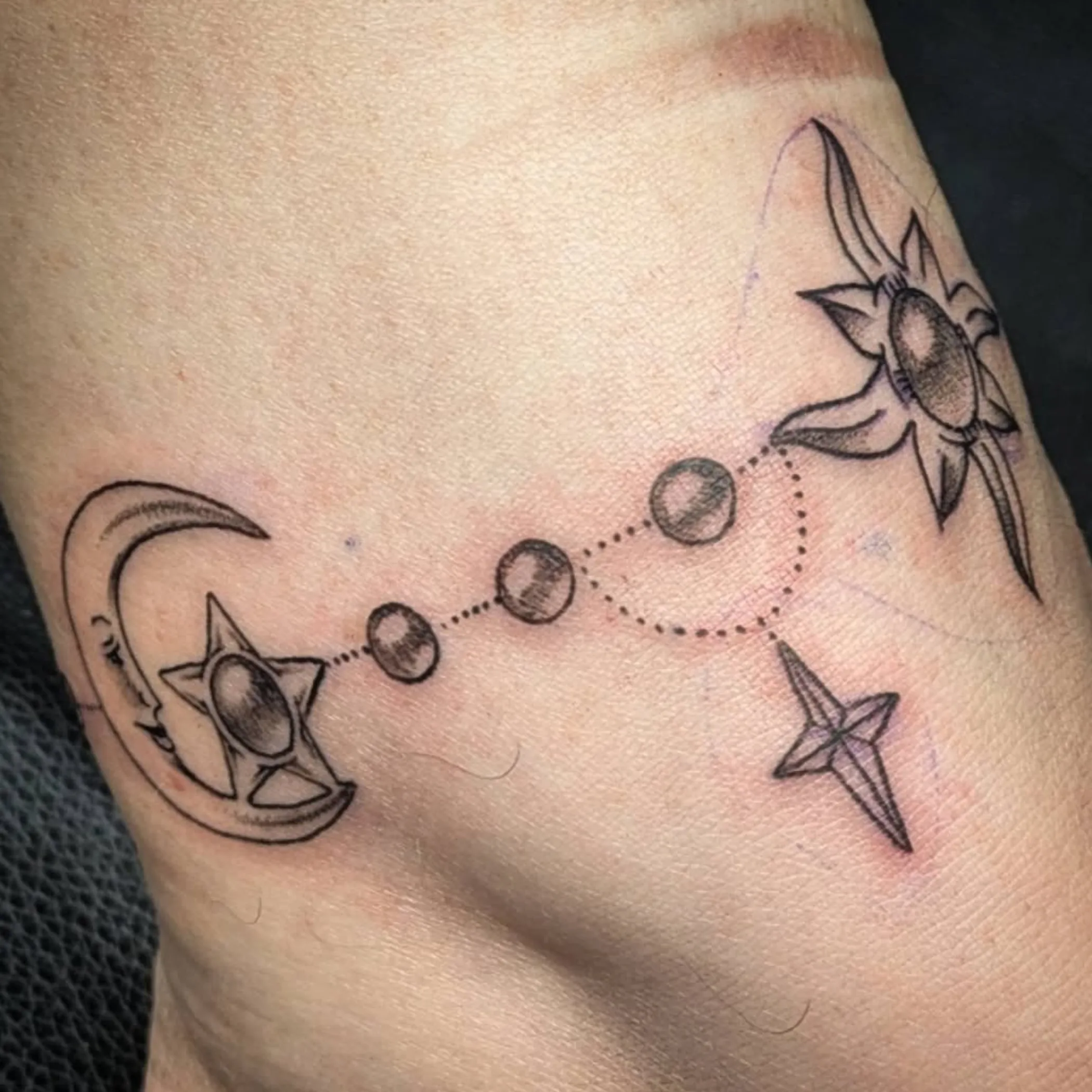
One wants to avoid friction and sweat so breathable clothing is best. In Adelaide’s dry heat or a humid summer up north, a loose cotton garment will be more comfortable to wear than something made of tight synthetic material.
Make sure what you are wearing is clean and that straps, waistbands or seams are not chafing the tattoo. With a piece of work on the leg, foot or ankle, see that your socks and shoes do not come into contact with it. A shirt with some give to it is advisable if the tattoo is on the back or shoulder.
A Comfortable Way Home
Plan the appointment with the journey home in mind. On a hot day one might opt for a taxi or an air-conditioned car from a shaded park rather than wait in the sun on a busy platform. There is nothing wrong with public transport provided one is in clean, roomy clothes and does not let the tattoo rub against bags or other people on a full train.
If the plan for the day in summer is to get a tattoo, make of it a low-key affair. Forgo the long bushwalk or a visit to the gym and beach once it is done. Have a meal, put in some fluids and return home to tend to the area. It is hardly an exciting way to spend the day but then it is dependable.
Tattoo Sunscreen
Unless a healthcare professional tells you otherwise, leave the sunscreen off a tattoo that is open or in the process of healing. It has a way of stinging broken skin and can be a means of trapping moisture. Shade and a good loose shirt will suffice in the early stages.
After the tattoo has healed, put on some broad-spectrum sunscreen to the exposed parts and reapply as the label says, particularly after a swim or when you have been sweating. This goes some way to protecting the skin from the sun and maintaining the look of the tattoo. But do not mistake a two-week old tattoo for one that is fully healed; size, environment and the like can affect how fast it happens. If there is any peeling or flaking left, or it is still shiny and tender, treat it accordingly.
Signs Of Irritation Or Infection
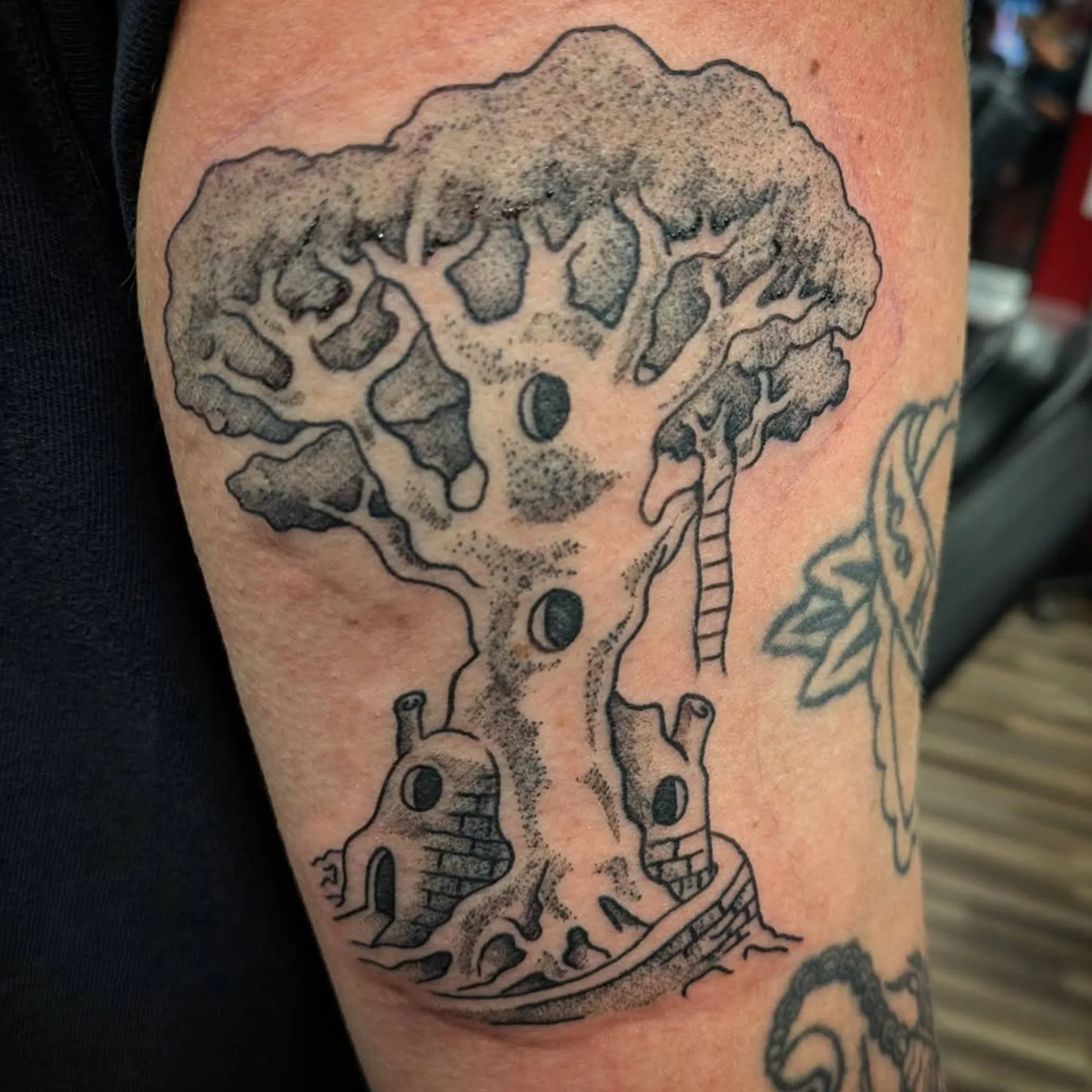
It is not unusual to have some redness, swelling or warmth in the wake of a new tattoo. These things should pass and not get worse. In the summer even normal irritation can seem more pronounced, so observe it over time.
But spreading redness, pus, a bad smell, red streaks, fever or escalating pain are cause for concern. An allergic reaction could present as an intense rash or itching. Put in a call to a health professional if in any doubt.
When To Get Some Advice
Should the aftercare instructions be ambiguous or the dressing act up, put it to your tattooist. Medical opinion is called for in the event of a suspected infection, high fever or severe pain. One should not be trying to diagnose a skin issue from pictures on the internet.
Before making an appointment at a studio, enquire as to their hygiene and pigments. With cosmetic tattooing find out what products are in use, in particular whether the inks are of the safe vegan variety. Being vegan is no guarantee of suitability for all, and one should not discount matters of safety or allergies.
Summer Healing Times And Priorities
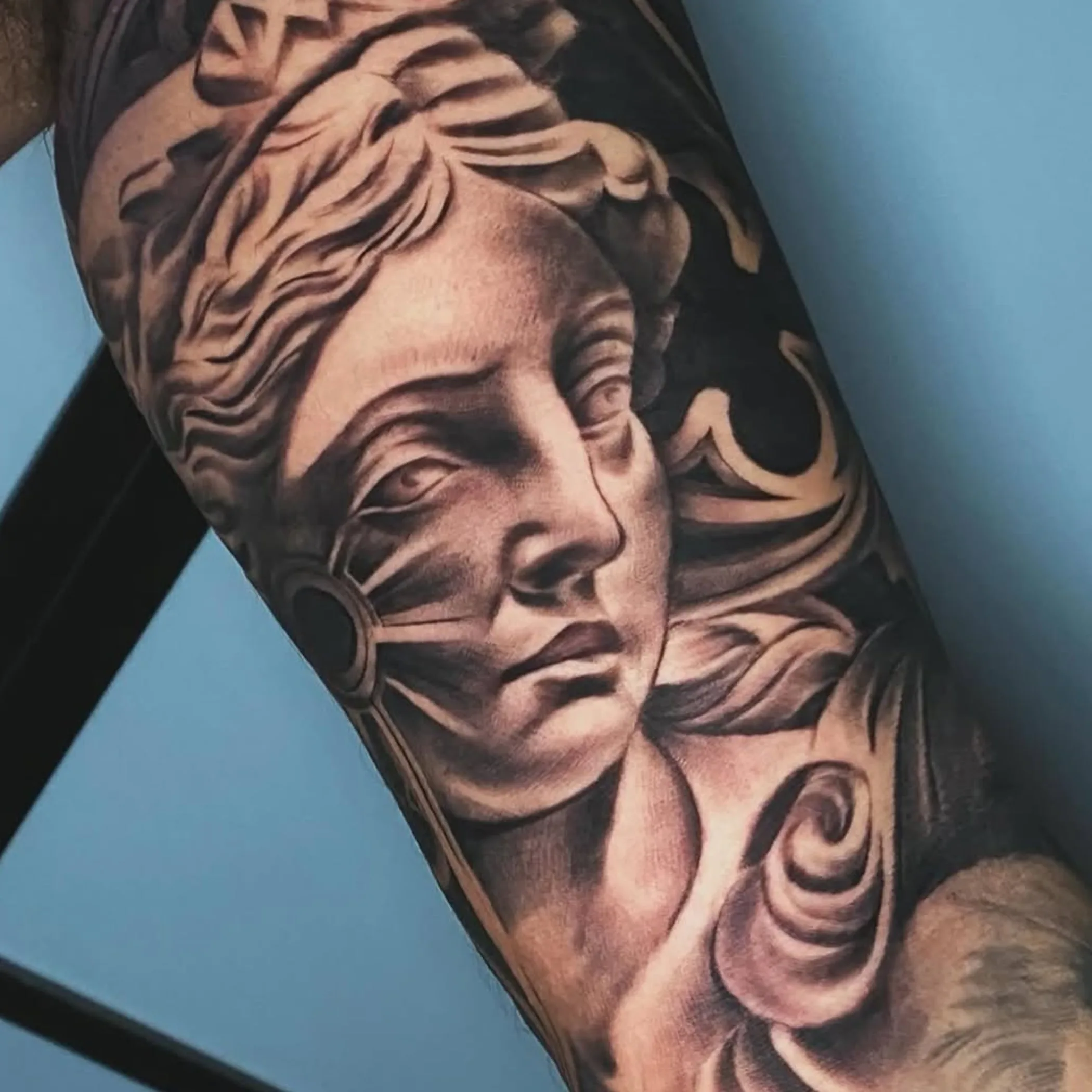
A tattoo will want several weeks to see the outer skin put in order, with the deeper healing process protracting beyond that; there is not a timetable one can rely on for every case. Heavily shaded work of a large size or a tattoo in a spot prone to friction are examples of what might require more attention.
| Situation | Best Approach | Main Risk |
|---|---|---|
| Hot day at work | Put on something loose, find some shade, have a clean towel and stay hydrated | Chafing and sweat |
| The beach | Do not let sand get to it, keep the tattoo dry and under cover | Contamination, salt water and UV |
| At the gym | Steer clear of hard training or shield the area from any rubbing | Equipment contact, stretching and perspiration |
| On the road | Make do with clean supplies, do not let the sun come through the window | Friction, heat and a lack of washing facilities |
| Once healed | Moisturise as you would and put on sunscreen | The cumulative effect of the sun |
It is well to be circumspect about the sun, strenuous exercise and swimming if you are new to this; the skin may appear in good order before it has in fact healed. Should your post-tattoo schedule allow but a single day, make rest and clean clothes your priority, along with some shade and a gentle wash. Put off the surf lesson, the tinnie and the dusty track for another time.
FAQ: Summer Tattoo Questions
How Can I Care For My Tattoos In The Summer?
With clean hands and lukewarm water use a fragrance-free product to give the tattoo a good but gentle going over. After patting it dry and putting on a thin coating of an aftercare balm you approve of, dress in clothing that breathes. Until the healing is complete, shun friction, heavy sweating, swimming and the direct rays of the sun.
Is A Beach Trip 2 Weeks On From A Tattoo All Right?
For a short while you can, provided the tattoo is kept from the sun and sand and remains covered and dry. But do not go for a swim or lie in the sun where the skin is tender or peeling. If those conditions cannot be met then hold off.
What Of A Sunburn On A Two-Week-Old Tattoo?
Not advisable. The tattoo could still be in the process of healing and a sunburn is liable to cause inflammation and harm the pigment as well as increase peeling. Rely on a loose covering and the shade for now; wait to put sunscreen on it directly until it is done healing.
Does Leaving A Tattoo Exposed Or Covered Expedite Healing?
One is not necessarily superior to the other. To start with you would do well to adhere to the tattooist’s instructions on dressing. Thereafter, protect it from contamination and friction in clean, breathable attire. Leave the strong sun alone and do not wrap it up in plastic.
Is Exercise An Option With A New Tattoo?
Some light activity is fine so long as you are comfortable and given where the tattoo is. Postpone anything intense that has you sweating or rubbing the area. Afterward change out of your damp clothes and clean the tattoo in a gentle manner.
Make Your Summer Aftercare Simple
In Australia there is little to good summer care for a tattoo but to take the avoidable stress off it: limit the rubbing and sweat, no swimming, keep it from the UV and ensure the skin is clean and gently dried. Be guided by the weather and your work and the placement of the tattoo, not some inflexible routine.
If you are unsure, put the question to your tattooist or a member of the health profession. Some patience will see the tattoo heal without issue and look its best when the summer is no longer like a furnace.
