The Working At Heights Regulations Australia 2026 obligates employers to identify fall risks, control them effectively, provide competent workers, suitable equipment and a reasonable rescue plan. There is no standard national ‘heights licence’ due to the variation of legal detail from one jurisdiction to another, but all employers and PCBUs must ensure the risk of falling from a height is lessened.
This article aims to explore the working at heights laws that an Australian employer must be aware of, including such things as the 2metre threshold, Safe Work Method Statements, training, harness inspections and different state and territory requirements. I’m Charles Whitmore and I am writing this from the Adelaide Hills, where even a basic ladder job can turn into a complex performance due to a dog, the forgetting of a tool and the all too often, ‘does the roof really need cleaning?’
Working At Heights In 2026
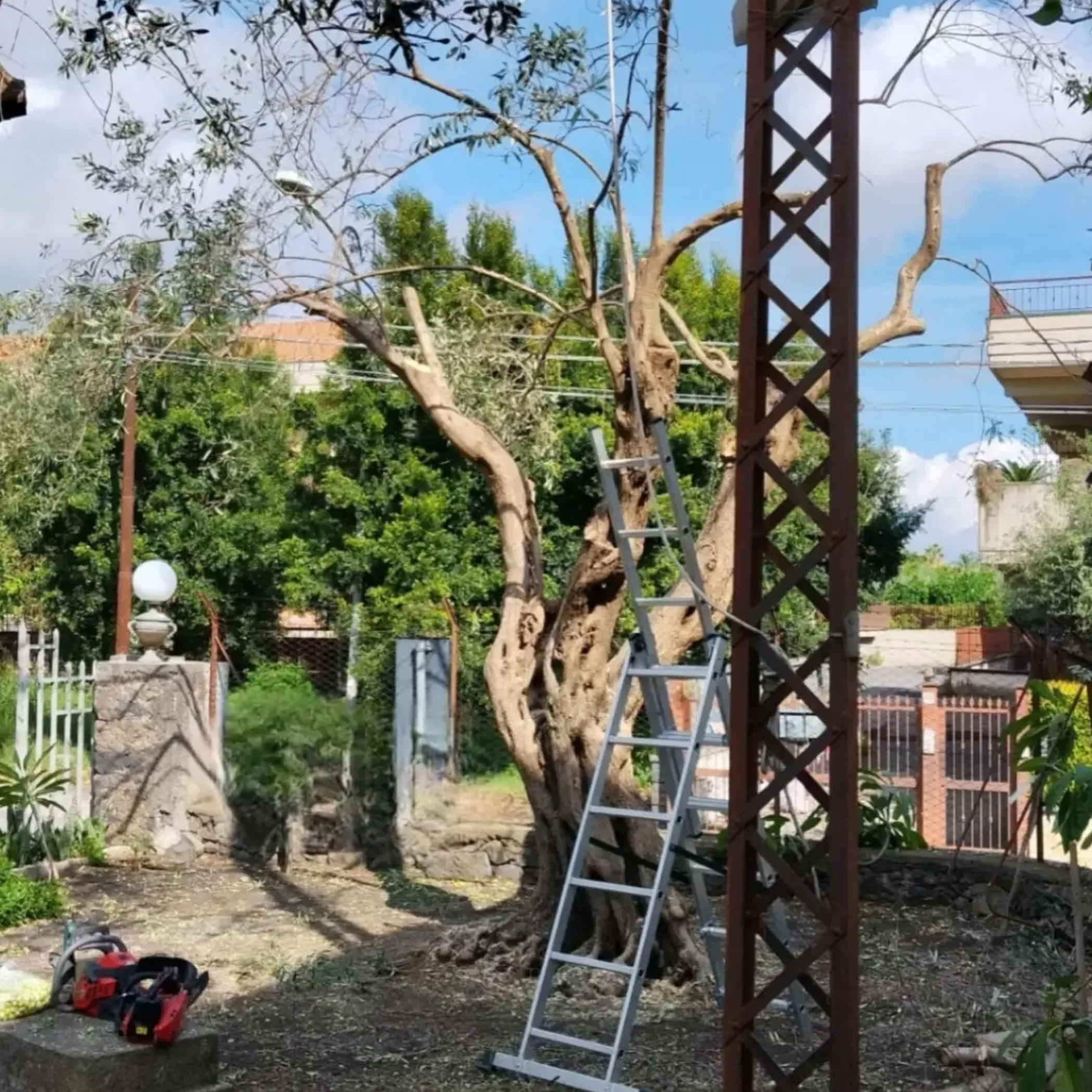
The simplest place for you to begin from is to take any risk of falling seriously, whether the task occurs on a roof, a platform, a truck, a ladder or a scaffolding. WHS law in Australia generally deals with the risk – usually requiring the employers to address the risk first and then manage lower risk activities – rather than just whether the worker has actually undertaken any particular height work.
Things in 2026 remain based upon duties imposed by each state or territory WHS legislation and attached codes of practice and technical standards. For context, see fall arrest system updates. Safe Work Australia publishes model laws and promotes the national approach to this law, but the regulator in each relevant jurisdiction administers and enforces the law.
What The Law Requires
So far as is reasonably practicable, a Person Conducting Business or Undertaking must keep workers and other people not being exposed to health and safety risks that may arise from the work performed. This includes the need to plan the work from heights, select suitable fall protection for the work, check the equipment being used to get up there and adequately supervising the workers and reactive to new site conditions.
There is also a requirement for workers. Workers must follow reasonable instructions, use, maintain and correctly put on safety equipment, report hazards occurring during their work and reject the temptation to take shortcuts because ‘the job just takes five minutes’. Five minutes is plenty of time for gravity to do its thing.
Identifying Height Related Work
Working at heights means work where a worker may fall from one level to another level and suffer an injury. This is not only restricted to tall buildings or construction sites. There is a chance for someone to get injured when possibly falling from loading areas, open-sided platforms, trays, low roofs, etc.
Moreover, there are locations that typically would not be referred to as working at heights but where there is in fact no realistic fall from one level to another. For example, standing on a floor that is level or walking on normal grounds does not qualify for the work at heights label. However, the surrounding circumstances, any edge protection etc is still crucial.
The Two-Metre Construction Trigger
Based on the model WHS framework, construction work posing a risk of falling over 2 metres is classified as high-risk construction work (HRCW). Before starting such work, the PBCU must prepare a Safe Work Method Statement undertaking any activities regarding working at heights.
The 2 metre height does not mean that works performed less than 2 metres would not require any consideration of risks. There may be a serious risk of injury from a height of, for example, 1.5 metres due to a fall on steel, concrete, or machines. Businesses should consider the threshold as a legal signal for specific working-at-height safety documentation, and not just as an excusal slip for lower falls.
Employer and PCBU Obligations
Good working at height safety goes into effect long before a worker scales anything. The PCBU must understand the job, the worksite, the people involved, and the equipment needed, and put this all down in a way that’s useful for the workers.
In practice, this means that the person controlling the work must manage sub-contractors, confirm obligations and make sure equipment is there and in good order. A binder of paperwork isn’t going to save a fall if no one has been on the roof edge or discussed the rescue plan.
Planning Site Safety
Prior to work, check on points of access, floor openings, any weak surfaces, roof structure, weather exposure, overhead services, vehicle traffic and risk of falling objects. Is it possible to do the work from below ground level or from a safe platform instead of harness systems?
Logistics are just as important as techniques. Know where workers will park, how to get materials into the work area, which gate to access, where the rescue gear will be stored, how emergency services will reach your worksite. For work on rural property, you will want to document approximate entry point to the road, gate code, limitations for cell coverage, and the return trip route home. To rely on the assumption of good cell service for rescue might as well be reckless.
Ten Practical Safety Tips
- Where reasonably practicable avoid work at height.
- Before using personal fall arrest equipment, provide fixed walkways, guard rails, scaffolds or other passive protection.
- Examine roofs, platforms, ladders and access systems before they are used.
- Identify fragile roofing, skylights, openings and unprotected edges.
- Secure all tools and materials from falling.
- Prepare Safe Work Method Statement (SWMS) for relevant high-risk construction work.
- Check workers are trained, competent and supervised properly.
- Use appropriate harnesses, lanyards, anchor points and connectors.
- Prepare and practice a rescue plan before using fall arrest equipment.
- Cease work if wind conditions, rain, lightning, heat, smoke or change of situation make controls unreliable.
Using the Hierarchy of Controls
The hierarchy of controls provides a way to look at protection in the right sequence. The first that you will use are the strongest controls where workers are not exposed to the hazard at all, and then the weakest that is entirely dependent upon individual interaction (behaviour) & perfect use of the equipment.
Personal protective equipment always has an important role but a safety harness or fall arrest should not be the first thing that comes to mind when purchasing equipment or discussing control measures. This is a back-up line of defence; it is NOT a substitute for providing a safe working area.
From Prevention To Arrest
The Hierarchy of Risk Control Strategies includes:
Elimination means avoiding the work at heights entirely.
Substitution can involve using ground based cleaning tanks instead of sending someone onto the roof.
Engineering controls include guard rails, scaffold, safety nets, edge protection and safe fixed walkways.
A work positioning system supports someone while allowing free use of their hands, but it must not be confused with fall arrest as these are different systems. Fall prevention prevents someone from accessing the edge they could fall from, while Arrest limits fall damage after the fall has started. Each requires proper equipment, competent use and must consider clearance distances.
Importance of Exclusion Zones
An exclusion zone at or below a working at heights site is there to protect from falling tools, debris and materials. Ensure there are barriers, signage, spotters and/or access controls in places when needed. Do not set up the exclusion zone where there will be foot traffic, simply due to convenience.
Consider the site and surrounding areas including the neighbouring businesses, footpaths, driveways and vehicle paths. A dropped tool does not distinguish if the person underneath was or was not part of the project team.
Driver Competency and Training
In regard to the training provision of working at heights, the training provided by working at heights trainers must be in accordance with the task, equipment and risk. While a generic, online learning module will help develop some basic knowledge, it does not demonstrate that a worker can actually choose an anchor, inspect their harness, calculate clearance or perform a rescue.
Training must be able to be supported by instructions, practical assessments, supervision and refresher arrangements. Competency is not something on a piece of paper that will be valid forever while the work, equipment and worker experience change all around it.
Where RIIWHS204E Fits
The RIIWHS204E Work Safely at Heights, or safety harness course as most people will refer to it as, is a nationally accredited unit of competency which can be a requirement for multiple uses of this training. Whether a safety harness course you have to undertake is dependent on a number of factors such as the type of work, hiring organisation, contract specifications, and site rules, as well as relevant regulations or industry requirements. Even successfully completing a safety harness course will not absolve the responsibility for the site-specific instructions to be delivered and supervised by the PCBU.
In addition, workers may also need specific training on scissor lifts, scaffolding, rigging, rescue plans, roof access, and other types of specialty industrial equipment. Ask the training provider if the course variables in practical assessment and whether it aligns with the type of equipment actually being used on site.
Equipment Standards And Inspections
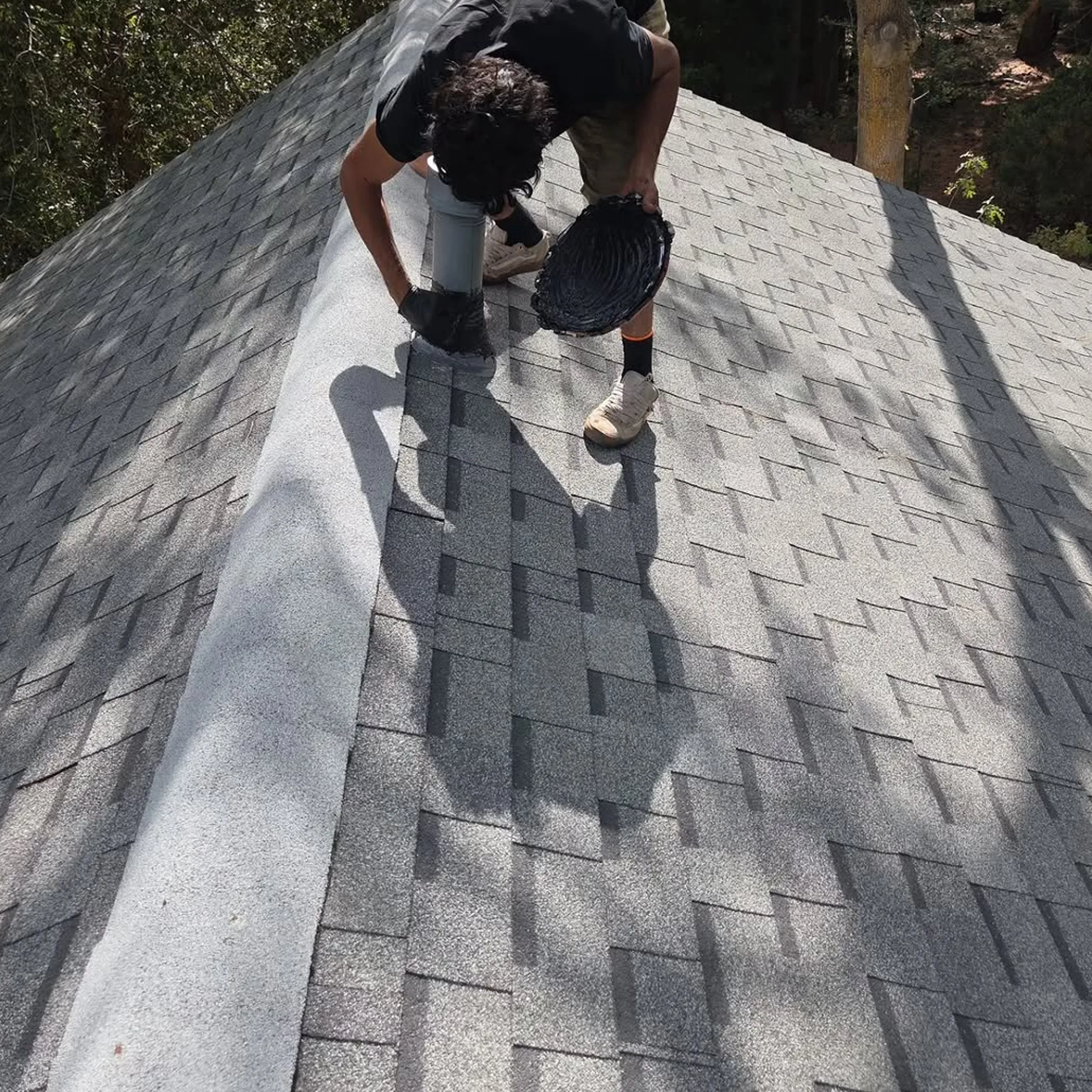
The fall protection equipment and procedures in place must be suitable, compatible, maintained and used in accordance with the manufacturer’s instructions. Guidelines that may apply relating to the equipment being worn may include AS/NZS 1891 for industrial fall-arrest systems, more specifically AS 1657 for fixed platforms, walkways, stairways and ladders standards, and of course any guidelines applying to any lifts, cranes, elevated work platforms, scaffolding and so forth.
Standards can be amended, implemented differently as per contract, supplemented and altered so always confirm whether or not it is the latest version, and equally what exceptions apply in your local jurisdiction, rather than relying on an outdated site rule/tool box-talk sheet saved years ago.
Specific harness inspection requirements
The requirements of inspections of equipment for working at heights typically include a user pre-use inspection, regular scheduled inspections from a competent individual and an appropriate inspection after a fall, impact or contamination event. Components of a harness that should be inspected include cuts, frays, contamination wear, damage by heat, damage to hardware, stitching damage, illegible labels, evidence of loading.
Remove and isolate any equipment considered to have defects, and never store a fall-arrest harness in the work vehicle as a keepsake after it has stopped a fall.
| Safety Control | Main Purpose | Important Inspection |
|---|---|---|
| Guardrails and edge protection | Prevent access to fall edge | Stability, gaps, openings, installation |
| Scaffold | Provide secure work platform | Proper erection, inspection, access, and load |
| Safety Nets | Prevent injury from fall to lower level | Installation, gaps, and damage |
| Harness and lanyard | Stop/restrict a fall | Use that it is true purpose. |
| Elevated Work Platforms | Exclusive access to high work | Proper operator competence, conditions and isolation |
| Ladders | Short access or low-risk task | Ground footing stability, ladder condition and angle. |
Rescue Plan And Suspension Units
A rescue plan is intended to be practical, related to an actual site, developed in advance of taking first worker off a safe level, communicated and confirmed clear, before commencing work at heights Australia establishments. A rescue plan will specifically identify: who will initiate the rescue, who will call emergency services, how the person will be rescued, and any available rescue equipment.
Fall restraints can create protections against injury, however, a suspended worker could still be seriously at risk of further injury. Suspension trauma occurs when someone hangs helplessly in a safety harness, so it is essential that immediate medical and rescue assistance is provided.
What A Rescue Plan Identifies
A rescue plan should specify the site location, access details, emergency contact phone numbers, location of rescue kits, trained operators, methods of communication, first aid kits, as well as procedures if main access and egress routes are closed. Consider the effects of weather, night, live utilities, temporary structures, and if a rescuer is exposed to the same fall edge.
To be prepared in real life events, practice the rescue plan in a required manner and ensure employees have access to practicing how to locate a rescue kit and ensure they know how to call emergency assistance.
States And Territory Regulations
Australia’s model WHS Regulations provides a useful foundation, however, is not uniform across the country. The applicable regulator will be SafeWork NSW, WorkSafe Victoria, WorkSafe Queensland, SafeWork SA, WorkSafe Western Australia, WorkSafe Tasmania, NT WorkSafe or WorkSafe ACT, depending on where the work takes place.
For instance, Queensland and South Australia operate under specific legislative and regulatory arrangements. Therefore, check the current state or territory legislation, and regulator’s advice, licensing requirements, construction requirements prior to commencing any work. Please note that the Work Health and Safety Act 2011 and the Work Health and Safety Regulation 2011 do not govern all jurisdictions.
Confirming The Position
You should always use Safe Work Australia’s official guidance regarding working at heights to begin with, and then check with the local regulator what the local requirements are. There is guidance from industry bodies, like Working At Height Association of Australia regarding good practice, however this does not supersede legislation, codes of practice or manufacturer instructions.
As of this writing in 2026, it is also important for business to keep an eye out for any regulator notices, updated codes, revised standards or contract specific fall arrest system updates. Record the source of the compliance decision and when it was made in order that the business can justify selection of a control.
Quick Check For Working Heights
There are now many ways to easily catch many things that go wrong in a pre-start check before it ever becomes an incident. This is supposed to be repeated if conditions change, and not simply completed once and filed with the paperwork.
- Can you complete the work from the ground?
- Is the edge, opening or fragile area clearly marked?
- Is passive protection, such as guardrails, scaffolding or something similar, in place?
- Is current, understood and specific to the work task SWMS are prepared?
- Are workers competent, in effective supervision, and fit for the work?
- Have anchors, ladders, platforms, harnesses, and lanyards been checked for working at heights?
- Is it sufficiently sized for falling objects working at heights exclusion zone?
- Do you have an achievable emergency rescue plan with the resources available?
- Did you take wind, rain, heat, storm, smoke and visibility into account?
Frequently Asked Questions
These questions are ones that always get asked during inductions, pre-start check, or at least a few times when talking around a ute. Quick answers are helpful, but site risk assessments will always be the final practical test.
What Are The WHS Regulations In Australia?
WHS regulations are legally binding rules made under the work health and safety legislation. They outline description of duties for PCBUs, officers, workers and others with specific duties related to construction, high risk work, etc. Each regulation will be specific to the jurisdiction it relates to, and not all jurisdictions are the same.
What Are Ten Safety Rules And Regulations?
There is not a single national list of “ten safety rules”. It is sensible to eliminate unnecessary work at heights, passive work protection, check or inspect equipment and control falling objects, prepare relevant SWMS documents, educate worker, supervise, deal with weather conditions, restrict access, and practice rescue. The ten points in this guide are practical controls and not a stand-in for the appropriate law.
What Two Places Are Generally Not Working At Heights?
Ordinary working on flat ground, or walking along flat ground, are not normally regarded as working at heights because there is not normally a fall from one level to another, unless of course it is unbounded by an open edge, excavation, unguarded opening, slippery place or other hazard that could make the working height.
What Is The Australian Standard For Equipment?
AS/NZS 1891 is the main standard for industrial fall arrest equipment, and AS 1657 covers fixed platforms, walkways, stairways and ladders. There might be other standards available, which cover scaffolding, elevated work platforms, etc. Always verify the current standard, the manufacturers instructions, and the appropriate regulator’s requirements.
Is a Harness Sufficient for Safety?
No! A harness is a passive fall arrest device, meaning that it does not prevent the fall in first place. A harness also does not remove the need for training or an emergency rescue. A harness must be part of a complete system including an anchor point, proper clearance, an inspection regime, exclusion controls and a practised emergency rescue plan.
Final Compliance Key Point
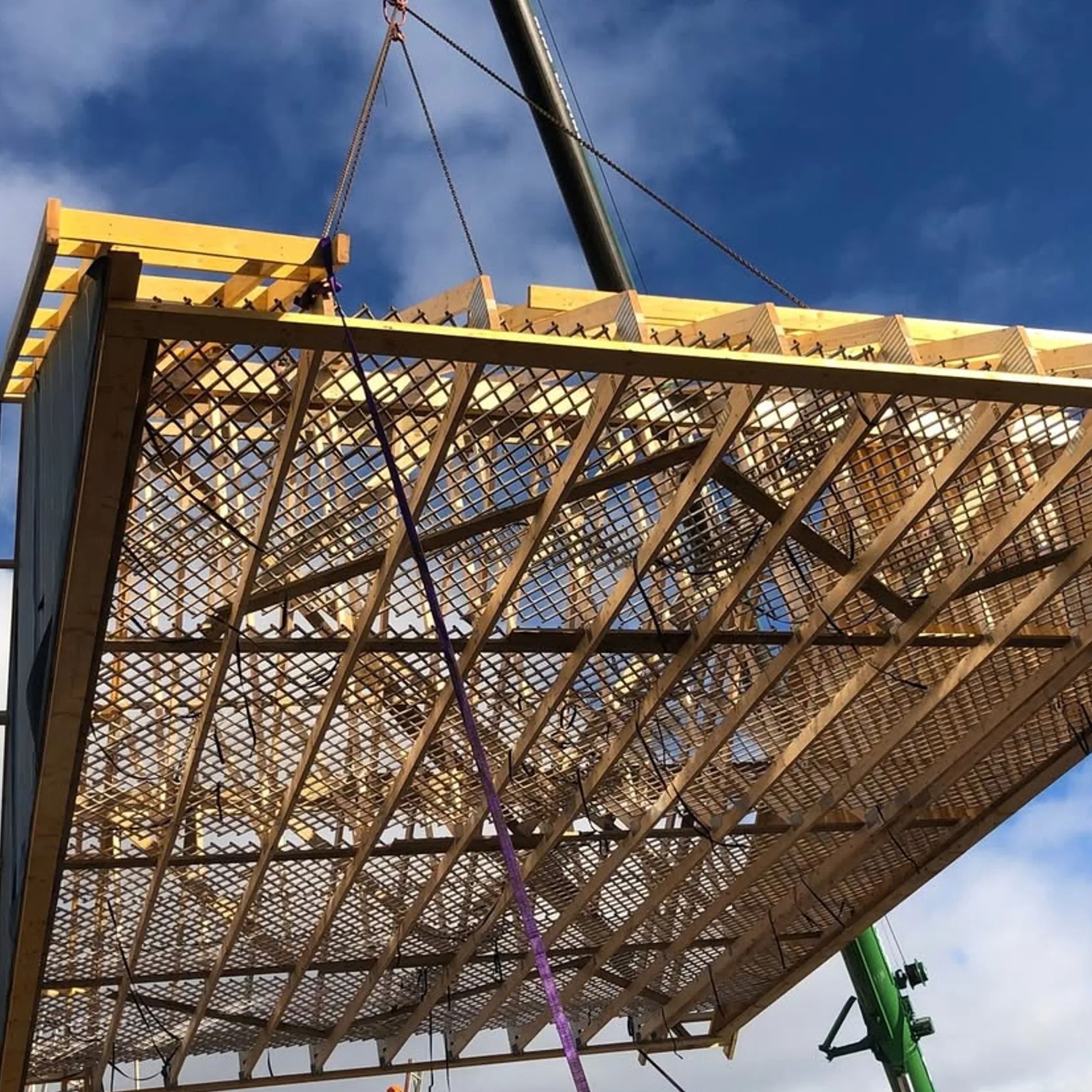
The working at heights regulations Australia 2026 essentially represent an obligation to control fall hazards. The process begins with eliminating the risk, next comes using passive fall protection, then documenting hazardous construction work, using competent workers, inspecting equipment, and preparing rescue prior to ascending heights.
While the 2 metre limit is important for HRCW duty, and SWMS duty, it does not act as the measure of whether work is safe or not. A sensible working at heights checklist would ask the more pertinent question; if something goes wrong under these circumstances, have we applied all the measures to avoid a fall and limit its impact?
