One would be hard pressed to call the situation with Great Barrier Reef coral bleaching anything but serious, though to say the reef is simply “alive” or “dead” is an oversimplification. While a respite from heat stress can put an end to bleaching, mass events of a recurring nature are another matter; they can be fatal to the coral, diminish hard coral cover and rob the reef of recovery time. Put bluntly, the risk of bleaching is high, there is a marked difference in conditions from one region to the next and how things stand in the long run will be dictated by warming to come.
Charles Whitmore here, from the Adelaide Hills. For the most part I have my mind on the kelpie and if it has made off again, or what is to be done with the tomatoes and plans for the family to travel. This topic warrants more care. You will not find me putting a figure to present day bleaching on the Great Barrier Reef when the 2026 survey has yet to be verified; I am not in the habit of making up percentages. What follows is a guide to what can be put forward with confidence, what the monitoring agencies have to say and how to make sense of the projections for 2040 and 2050 without taking a headline at face value.
A Closer Look At The Reef
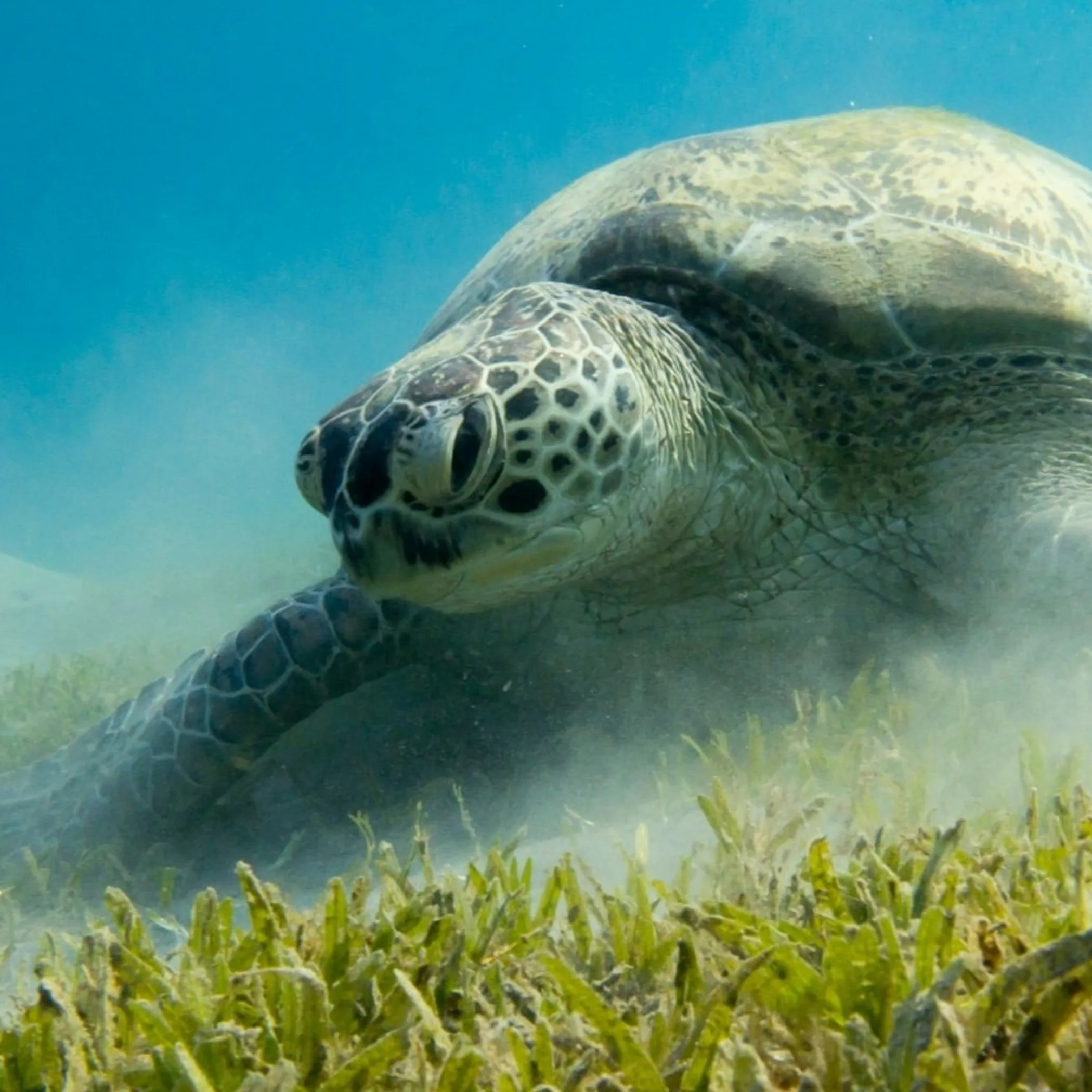
You cannot sum up the condition of the Great Barrier Reef with a single number. It is a Marine Park comprising thousands of habitats, islands and individual reefs that are subject to varying degrees of local water-quality issues, disease, storms, crown-of-thorns starfish and heat stress, including ocean level shifts on corals.
To get a 2026 coral bleaching number one would have to go to the field surveys and official heat-stress data. There is AIMS, the GBRMPA and NOAA Coral Reef Watch, all with their own methods. It is better to consider their results in concert than as some kind of scoreboard.
Coral under stress will lose or expel the zooxanthellae, the symbiotic algae, and in doing so become pale or white as the transparent skeleton gives way to the living tissue. Should the temperature abate in time the coral is able to put itself right. Prolonged heat stress and it will starve.
What The Data Shows
Direct observation is put together with satellite data by scientists. Where it would take years to cover by boat, satellites pick up on heat accumulation and sea-surface temperature. In the field teams will note the species and size of colony, mortality and the extent of the bleaching.
NOAA Coral Reef Watch will put degree heating weeks on the table to show accumulated heat stress. Four of them is a meaningful risk of bleaching, eight a substantial one for mortality. But these are indicators of risk, not a foregone conclusion for every colony. One has to factor in the species, depth and any prior stress.
For an update you can do worse than the official information from the Great Barrier Reef Marine Park Authority. Social media maps have a way of conflating a local sighting with confirmed damage across the reef, so a government source is preferable.
Causes Of Recent Bleaching
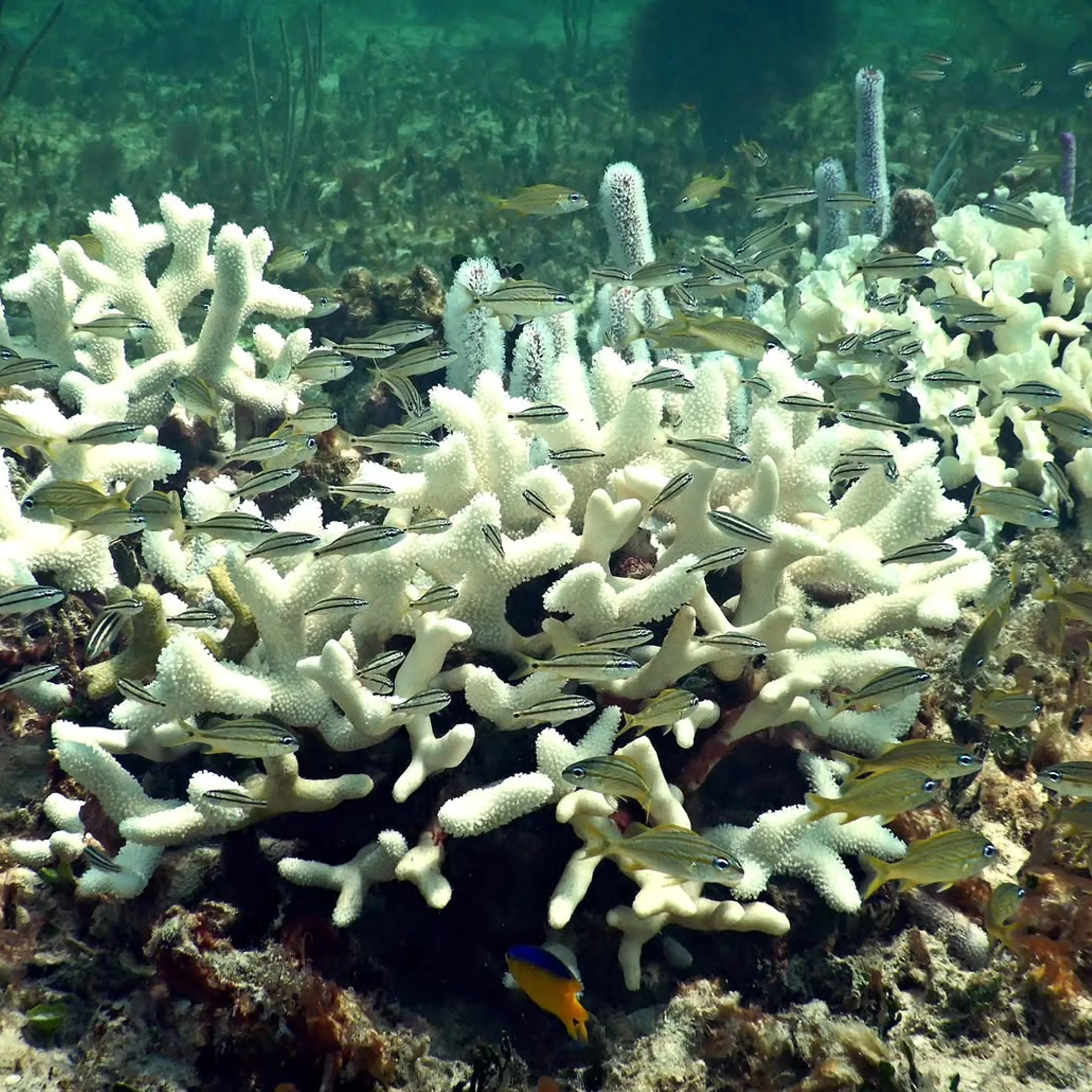
Unusually warm seawater is the usual instigator of a mass bleaching event. Climate change raises the background temperature and narrows the margin between a normal summer and dangerous heat stress, marine heatwaves being more of a prospect.
That said, heat is not the only thing at work. A cyclone will put an end to a coral colony, flood plumes compromise the water, disease makes inroads on weakened tissue and the crown-of-thorns starfish will see to the living coral. Nature is no pushover but it is not magic either; a reef with enough on its plate has little chance of bouncing back.
Heat Stress And Other Pressures
Sea-surface temperature tells you where the heat is building up but the coral is dealing with what is at its depth. Calm weather and a shallow reef and it will be quick to heat up, whereas strong currents will mix the water and ease the strain. Tides and cloud cover can make for considerable disparity between two sites in close proximity.
Then there is the question of ocean level and its effect on light, wave action and where corals can put down roots. Sea-level change may not set off a bleaching alert in and of itself but it is part of the conversation when it comes to the coastal habitat over time.
Regional Variations
Do not think of the Torres Strait as an afterthought to the main reef; it has environmental patterns of its own. Nor is bleaching spread equally in the North, Central and South. There is value in making regional comparisons as they put into perspective the differences in recovery, heat stress and storms. They also have a way of correcting a false assumption that a good photograph from a snorkelling spot is indicative of the Great Barrier Reef in its entirety.
| Area | What Can Differ | The Focus of Monitoring |
|---|---|---|
| Northern region | Reefs will vary in their exposure to currents, heat, local water and storms. | We look at hard coral cover, the degree of bleaching, mortality and how well the reef has recovered from heat stress. |
| Central region | Given the size of the area and the variety of habitats one can not easily generalise on local conditions. | Monitoring is for storm damage, disease, any repeated bleaching and shifts in the coral communities. |
| Southern region | Temperature patterns and disturbance histories are not uniform on some reefs. | Coral cover and species make up, recruitment and evidence of recovery. |
| Torres Strait | Local outcomes are dictated by the geography, the currents, the community and what is required of monitoring. | Reports of bleaching, the state of the coral and how it is changing in the various reef habitats. |
To the visitor a reef may appear in fine fettle, yet a survey put in a few hundred kilometres off may be documenting considerable harm; both would be right. The reef is so large that “the reef” is something of an easy term to use that does not convey the distance involved.
Coral Cover Surveys
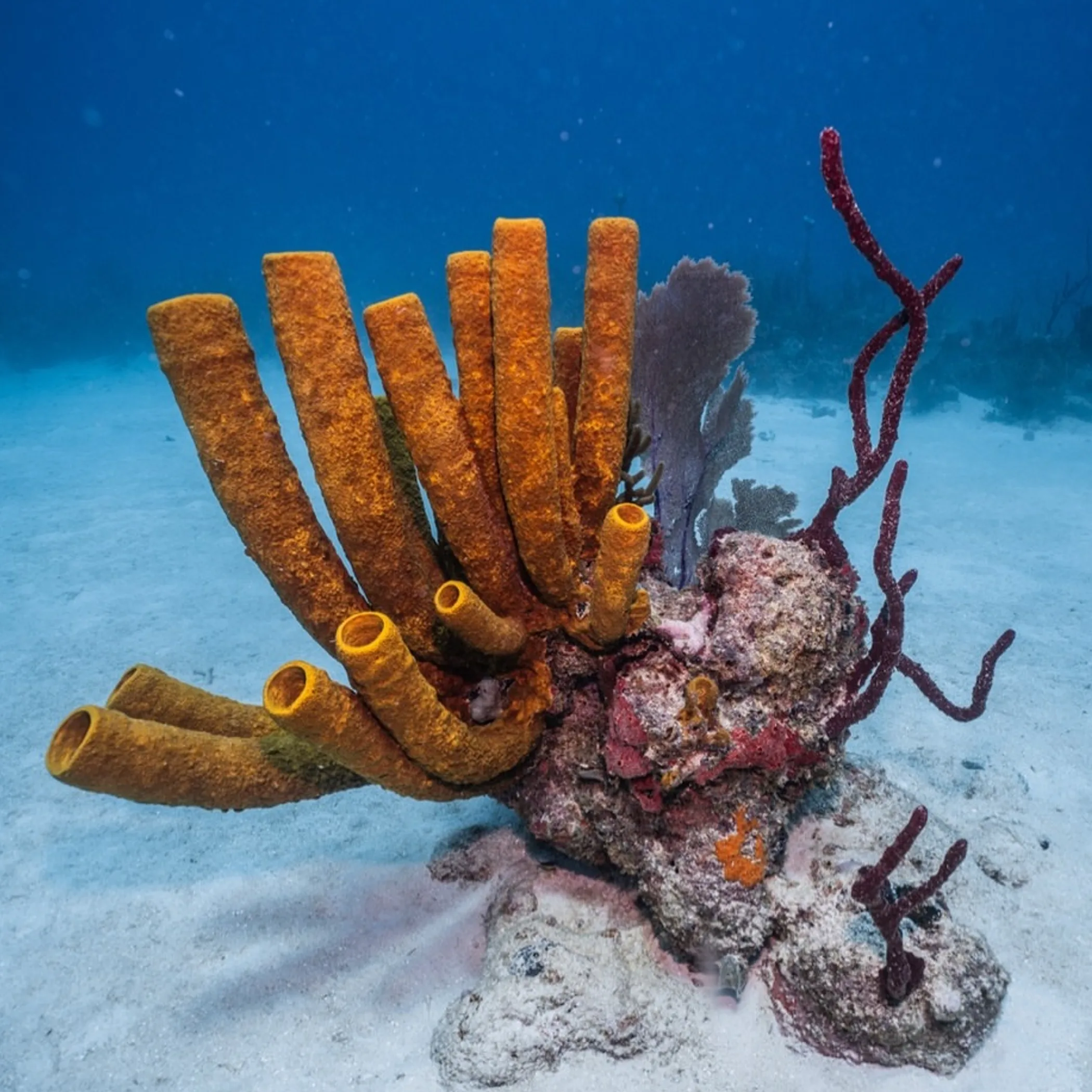
One of the best ways to gauge the condition of the Great Barrier Reef is hard coral cover, though that is not synonymous with health in all respects. In the course of a survey one will see how much of the seabed is taken up by hard coral and get an assessment of the colony size, structural complexity, diversity, any disease or recent mortality.
A drop in coral cover could be put down to poor water quality, an outbreak of crown-of-thorns starfish or the after effects of a cyclone or bleaching. On the other hand, cover might go up in the wake of a recovery even if the older colonies that were home to fish are gone. A percentage alone does not tell the whole story.
How to Read the Numbers
An AIMS report should be read with an eye to the method of measurement, the regional breakdown, how many reefs were in view and the period of the survey. An average is a useful thing for a reef-wide estimate but it has a tendency to obscure where there has been strong recovery or severe loss.
Hard coral cover, recruitment (young corals taking hold) and mortality are three measures to consider. While high recruitment bodes well for recovery, these young corals are no match for a subsequent heatwave or disease.
Then there is the matter of timing. A survey done in the aftermath of heat stress might note bleaching before the mortality has set in; do the same thing later and the lower cover will be evident from the delayed deaths. The headline number is only part of it, the calendar is important too.
In the Wake of Mass Bleaching
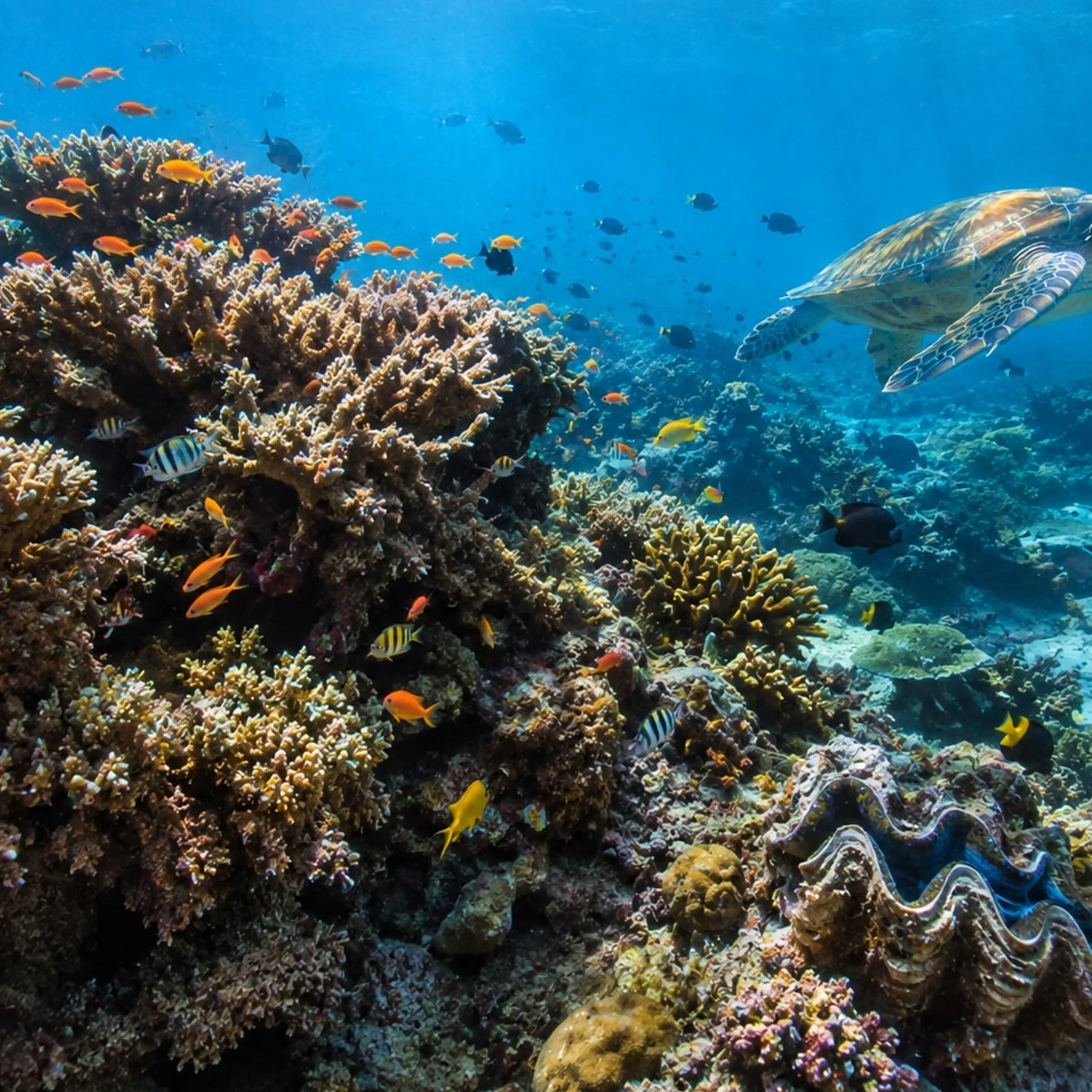
It is a question of whether the colonies endure and if young corals can put down roots before the next disturbance comes along. If complex structures and the bigger breeding colonies have been lost, rebuilding is a process of years or decades.
Frequency is as much an issue as severity. With repeated bleaching the window for recovery is curtailed. A community may put itself back together after one event only to be hit by another heatwave before its energy is made good.
Expectation and Reality
Expectation: The expectation is that white coral means the reef is dead.
Reality: In reality it is under stress; some will recover unless the heat or other factors compound the damage.
Expectation: You might think an increase in coral cover puts an end to the problem.
Reality: But the reef can recover its cover without the age or the three-dimensional structure of the original community.
Expectation: Some believe local management is a check on global warming.
Reality: It can certainly ease local pressures and build resilience, but the principal cause of marine heatwaves is a global one and cannot be wished away.
Looking to 2040 and 2050
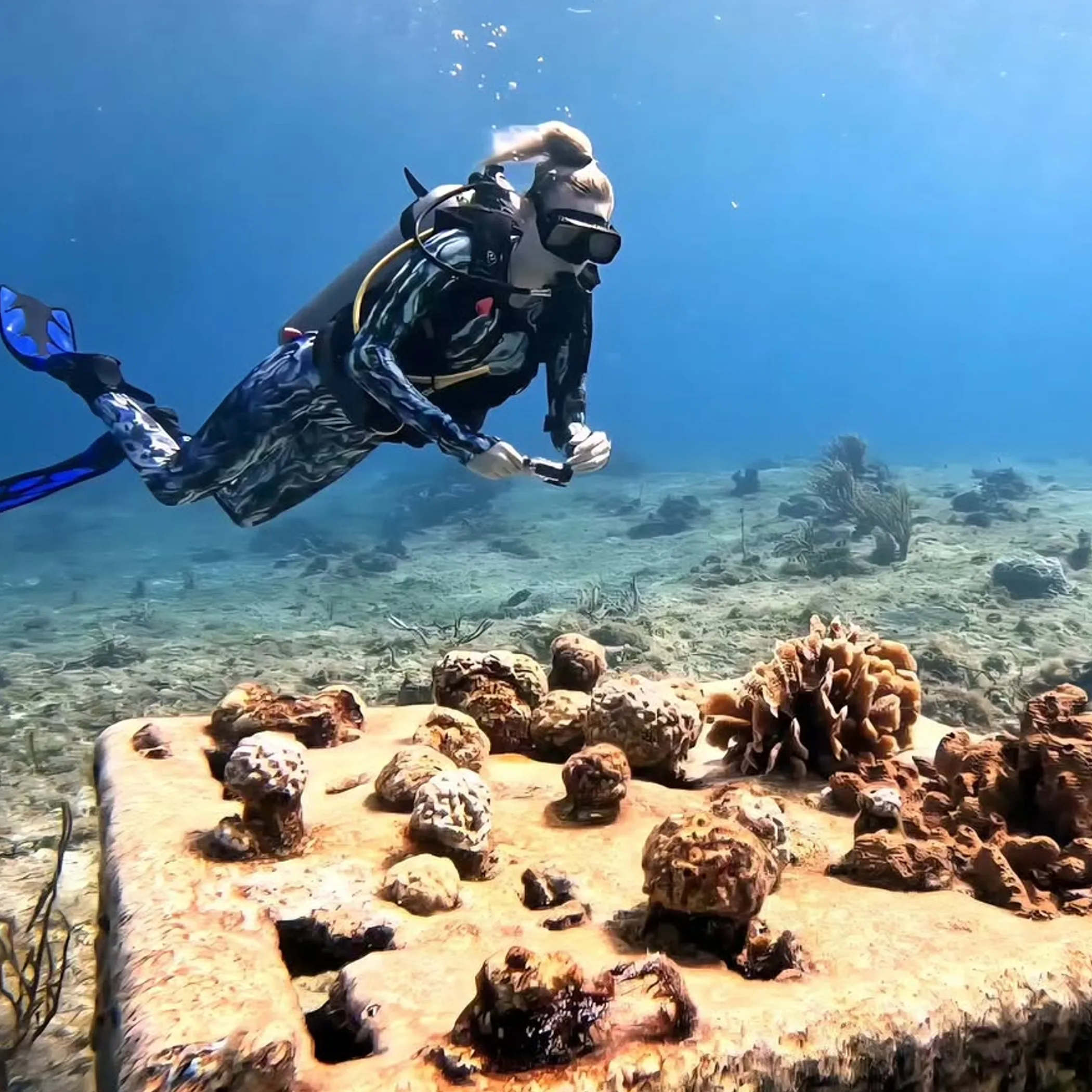
Projections for coral bleaching are scenarios rather than dates in the diary. They are contingent on everything from the success of local management to ocean warming and emissions of greenhouse gases.
Science is clear that with more warming, severe bleaching will be a more regular occurrence. By 2040 the risk is likely to be greater, especially if extreme heat becomes the norm.
The possibilities open up further by 2050. With the right climate action and protection a reef can keep its ecological function. But in a higher warming world, annual bleaching and the attendant mortality could become de rigueur in many tropical systems.
| Projection Period | Most Useful Question | Likely Risk |
|---|---|---|
| 2040 and beyond | One has to ask: how will severe heat stress manifest and is there scope for corals to make a recovery in the intervals? | Should warming persist, bleaching will be more frequent and put a premium on any chance of recovery. |
| Looking to 2050 | Resilience will be found in some coral habitats, communities and management approaches. | There will be a marked difference between what transpires under higher as opposed to lower warming. |
Can one put a reef-wide percentage on the amount of coral that will be bleached by 2050? Not responsibly. Any such figure would have to account for the season, where the reef is, the method of modelling and how one defines bleaching, not to mention the warming scenario. Then there is the fact that “bleached” does not equate to “dead”, which renders headline forecasts of the simplest kind rather elusive.
Is the Great Barrier Reef still going to be here in 2050? Geographically the system will no doubt be there but ecologically it may be quite another matter. What matters is not simply if the rock is on the seabed but if the living corals, the fish habitat and the biodiversity are in good enough shape to underpin the cultural and economic life of the surrounding communities.
The role of Management
Climate action is the most powerful tool at hand; less warming means marine heatwaves will be neither as intense nor as common. But local management has its part to play in seeing that reefs are in better health to withstand and then put right the damage of stress.
Protecting herbivorous fish, putting an end to crown-of-thorns starfish outbreaks, better water quality, dealing with tourism and disease, and working with Traditional Owners and the community are all sound measures. They do not insure against extinction but they can take off some of the pressure that need not be there.
Travellers will find the sensible course of action is plain enough. Go with a licensed operator whose reef-protection credentials are in order, do not put hands on the coral and adhere to their procedures. Make sure your gear is secure in the water and hearken to the crew if it is rough. The reef is no place for an argument with the sea.
A day out should be planned with a reputable outer-reef operator in mind, one with up to date safety information and time to put in at more than a site or two. Do not try to run the day like a suburban bus service; leave room for seasickness, the weather and transfers. As for costs and logistics, these are subject to change. A domestic flight to a coastal marina or liveaboard is often required and prices for the tour, food and lodging will differ with the season and place, so check with the operator first. Departures can be called off on account of cyclones or marine warnings, the northern wet season being a case in point.
Some questions get asked
Will we see bleaching of the Great Barrier Reef in 2026?
Nothing here can confirm an outcome for the whole reef. It is a matter of local conditions, weather and how much heat has built up in the surface waters. Before taking any 2026 assertion as fact, have a look at the Coral Reef Watch from NOAA or the latest from GBRMPA and AIMS.
Is the situation with coral bleaching deteriorating?
On a world scale climate change is making repeated and hard marine heatwaves more of a risk. For the Great Barrier Reef you need to monitor the current state of things since severity is not uniform from year to year or region to region. Reefs can and do recover after an event but the long-term risk is on the rise with the warming.
What of 2050 figures for bleached coral?
Do not be quick to accept a precise number for the entire reef without the details. Projections will vary with the model used and whether it is measuring hard coral cover or mortality.
Will the reef exist in 2050?
Expect the system to be there in name but its condition is an open question. Some may be in fine fettle, others severely degraded. Health and resilience are not to be confused with mere existence.
Recovery post-bleaching?
Provided the heat abates before it is too late some corals will pull through. When it is a recurring problem and you factor in high mortality, storms and poor water quality, it is harder.
An outlook on the reef
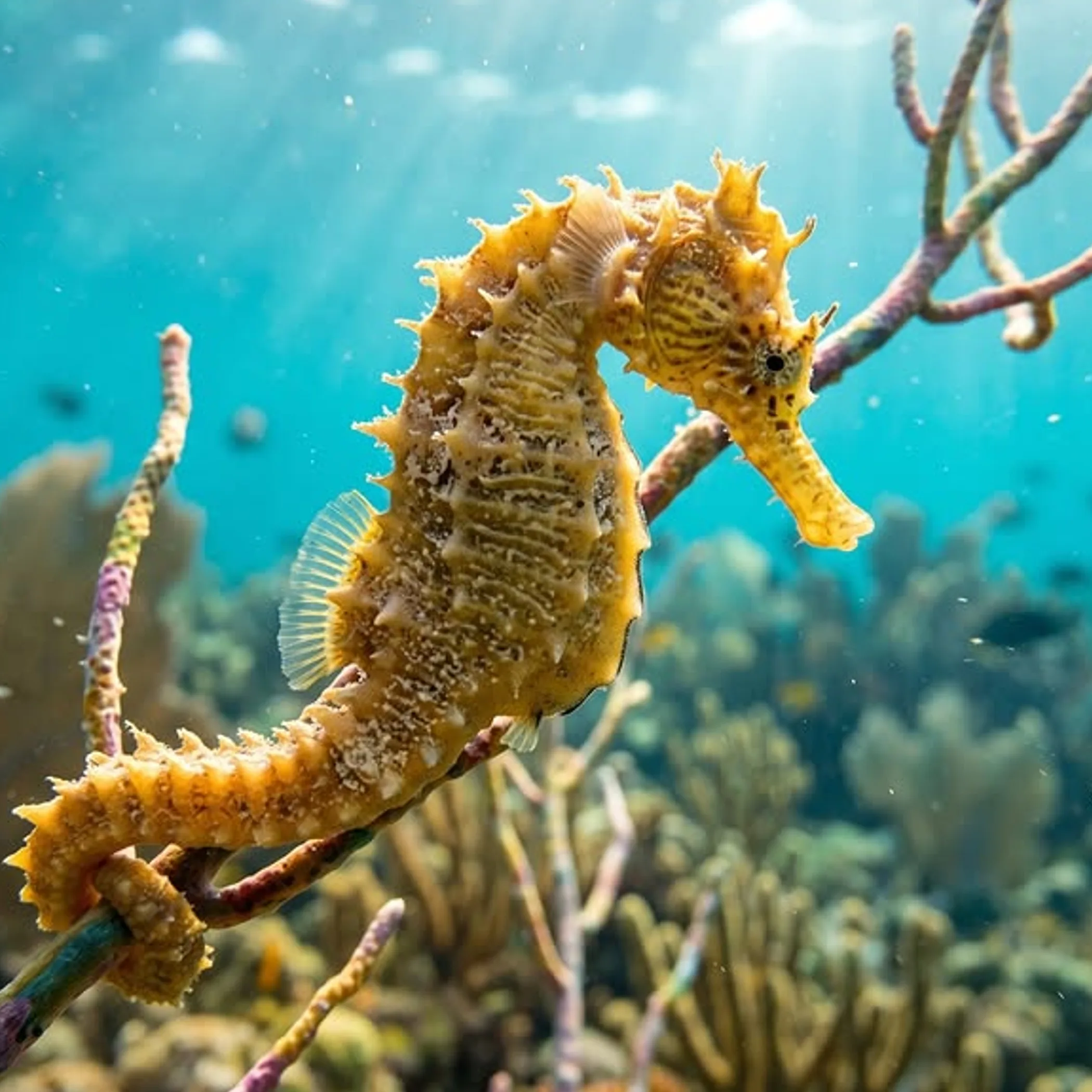
There is no denying the pressures on the Great Barrier Reef are mounting yet evidence and urgency can coexist in responsible reporting. Let the data and regional context inform one’s view of present bleaching, not a single evocative photo or an untroubled dive.
In short: with warmer oceans come greater risks of bleaching and an uneven recovery. Take the projections for 2040 and 2050 as a warning over choices made, not as something written in stone. The future of the reef is in the hands of global climate policy, local stewardship and the capacity of living systems to bounce back when afforded the time.
