There is a rule of thumb for any visitor to the Great Ocean Road in Victoria looking for sound advice on surf safety: put in the time to check conditions prior to paddling out. The coast has its magnificence but also a certain power; between the rip currents, rocks, reef breaks and the vagaries of the weather and wave size, even a good swimmer can be put at a disadvantage.
My name is Charles Whitmore and I would rather offer a word of caution than have to tell a tale of heroics with a rescue chopper. Be you a novice on one of the Great Ocean Road beaches or making for a better set at Torquay (see Torquay surf events info) or simply with children in tow, this guide will help you pick the right spot, spot trouble before it happens and decide when it is best to remain on the sand.
Surf Safety Essentials For The Great Ocean Road
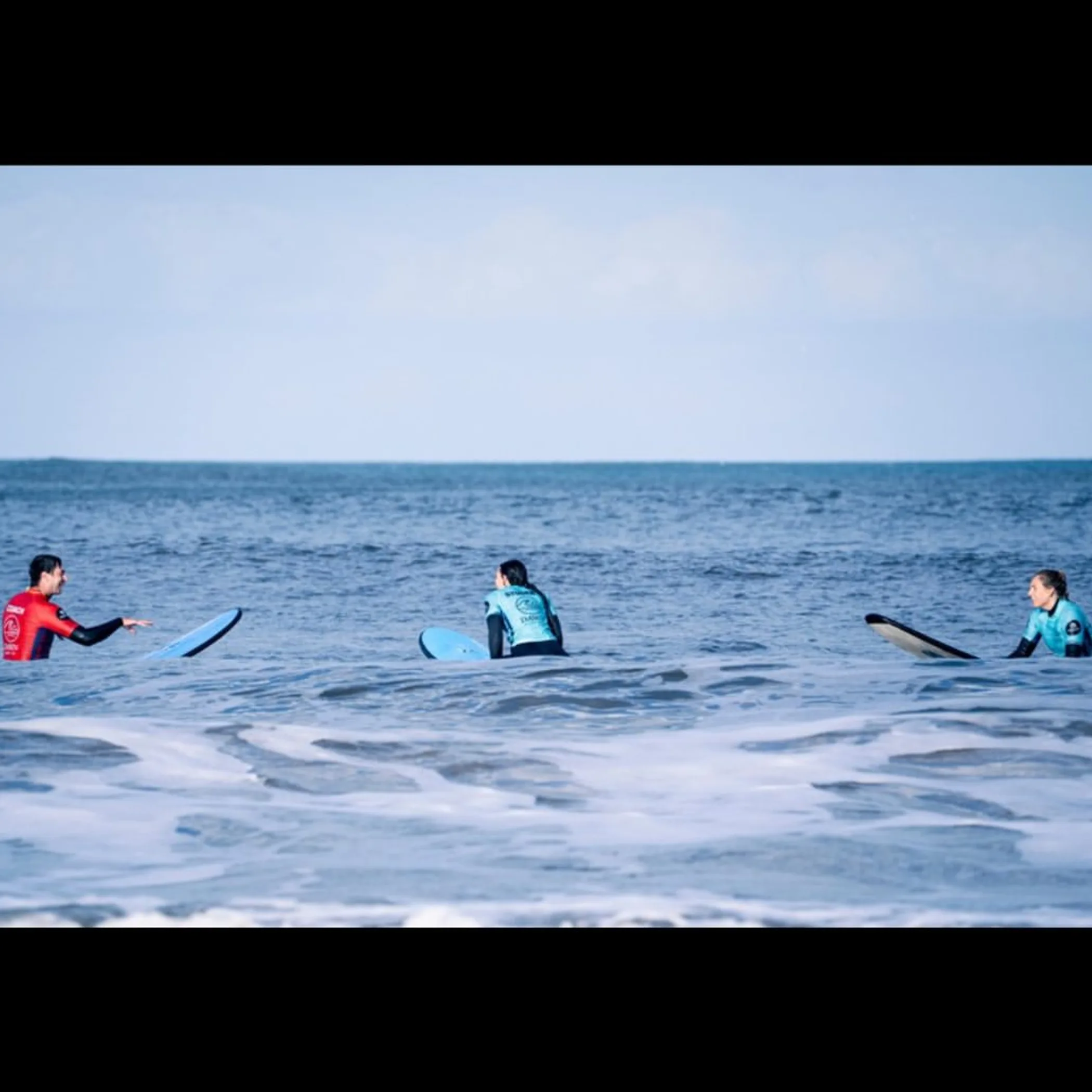
It is all about preparation and having some respect for what the local conditions are like, as well as being honest with yourself. From the vantage of the car park a beach may seem benign, yet there could be a steep shore break or strong currents and rocks under water not ten metres from the edge.
You are wise to gauge the beach, the weather and the level of supervision against your own experience and swimming prowess. When the ocean is as rough as guts, trust what you see. There is no credit given for wading in.
A Simple Safety Plan To Follow
Take stock of the forecast, wind, tide and swell, and the state of the beach before you head out of your accommodation. Rely on Beachsafe and the lifeguards for up to date information since a picture on line will not tell you what is going on past the shoreline and things have a way of altering in the course of the day.
Have a charged phone and let someone know your plans. And take a buddy with you. An unremarkable spill can turn into something more if no one is around to see that you have not made it back to shore.
For the Victorian Government’s official public advice on water safety and how to prepare for an emergency in Victoria, it is worth reading their guidance.
Who Should Steer Clear
Alcohol, illness or being run down are no excuse to be in the water. Nor should weak swimmers, young children or those with little experience be found at some of the Great Ocean Road’s beaches. A large swell, cold water, an exposed reef and offshore winds are too much for a beginner.
If open water does not inspire confidence in your swimming, do not try to surf by yourself. You would be better off with a lesson at a patrolled beach than to put out a borrowed board and put the ocean to the test.
Make Sure Of The Conditions
Whether you have a good session or a foolish one is dictated by the conditions. Do not rush to get in your wetsuit, give the beach five minutes of your attention first. It is a small thing to do but it may spare you a bruised ego and a long trek back up the sand with a dented board.
One cannot apply the same checklist to every beach when it comes to surfing safety in Victoria. What was tolerable in a small swell can be another matter once the weather has turned.
What The Weather And Ocean Tell You
Stand and watch the water. See if the waves are breaking in a uniform line or if there is a darker, more placid channel in between them. That is likely a rip current and not a short cut to the lineup.
Be on the lookout for thunder, rain, debris, poor visibility and any abrupt change in the size of the waves. One minute of calm does not mean the ocean is safe, powerful sets have a habit of coming in.
Then there is the cold which saps your strength and judgment. Put on an adequate wetsuit and warm up. Once you are tired or shivering it is time to go, fatigue will make getting back on the board no easy task.
The Three-Check Rule
Ask yourself three things: am I comfortable with my swimming here, do I have a way back to shore and is there someone with me or keeping an eye on me? If you have to say no to any of them, find a different beach or put it off.
See where you can get in and out as well. The coastal path might be littered with stairs or slick rocks and steep dunes; if you come to harm in the water the way you came in may not be the easiest way out.
Go Where There Are Patrollers
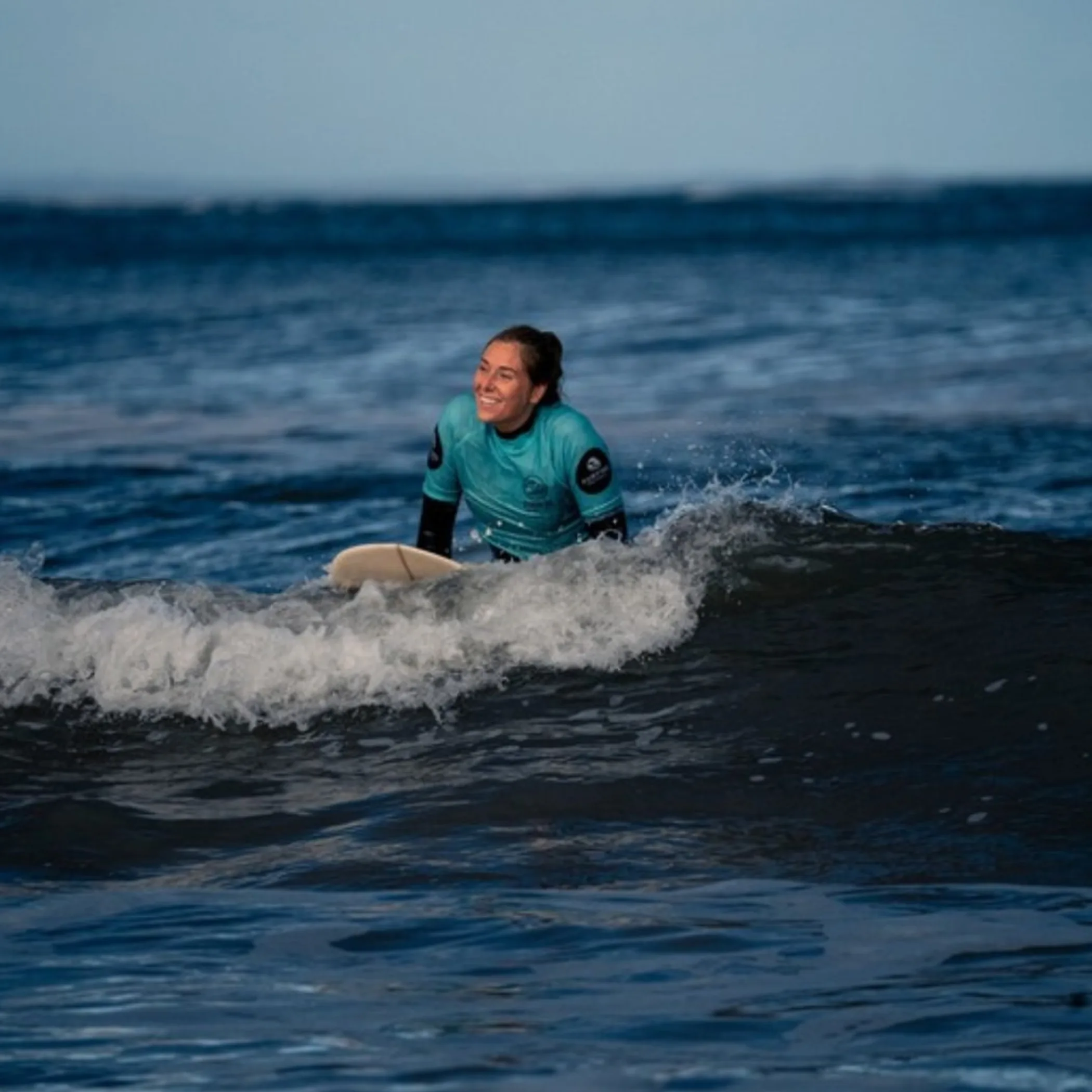
Lifeguards at a patrolled beach will have a handle on the local hazards and can spot trouble from the vantage of the shore. If you are just starting out and patrols are on, stay in the area between the red and yellow flags and do as you are told. Beachsafe is the place to check before you set off and to have your bearings confirmed on arrival; patrol times and where they are will be different in the lulls. Do not put stock in a confident opinion from some with an exorbitant board when there is a sign at the car park that will tell you more.
Match Your Ability To The Beach
There is no automatic safety in Torquay’s surfing renown. With stronger waves, rocks, shifting currents and crowds there is potential for trouble. But the right conditions and a good instructor will make it work for a novice in a supervised part of the beach.
What you want is a sandy entry and space between surfers, a run-out area that is clear and waves of a size you can handle. Leave the reef breaks and rocky bits to those who are experienced enough to know the lay of the land and put their boards where they want them.
A drive from Melbourne should be timed to allow for the traffic, putting in fuel, parking and to properly appraise the conditions. On the Great Ocean Road one can find that what ought to be a short trip takes its time if the roads are up to it or the weather has other ideas and everyone wants the same coffee.
Parking And Getting Back
Weekends and holidays, or a surf event, will see some of the beach car parks full early on. Smaller access roads do not offer much room to turn. Park by the book and put any valuables away. Emergency and private driveways must not be obstructed.
Make plans for the return journey prior to going in the water. A long drive with wet equipment and children underfoot can be more of an ordeal than expected. Have some dry clothes, towels, a rubbish bag and water on hand to keep the car from reeking of the sea by lunch.
Dealing With Rip Currents
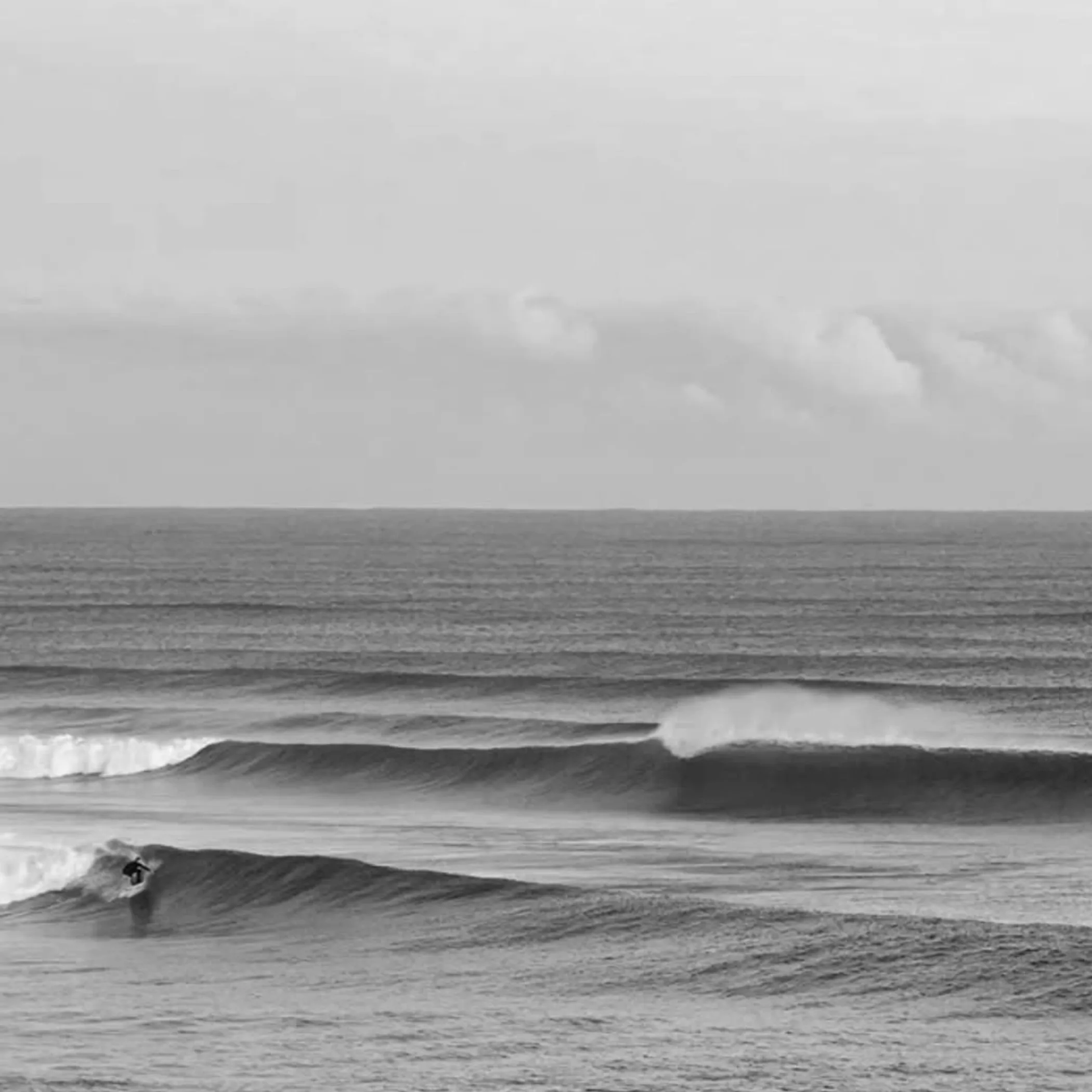
For visitors to Victoria, an understanding of rip currents is paramount. These are strong flows of water that head out to sea, commonly through a channel in the sandbanks or near some structure or rock.
The temptation is to think the water in a rip is the easiest to swim because of its calmness, but most end up in a panic as the current has them moving from shore.
To Spot The Calmer Channel
Look for a void in the whitewater, darker water, seaweed or foam being drawn out to sea and less in the way of breaking waves. Rips come in all sizes and will change with the tide and swell. In doubt, put the question to a lifeguard; their local knowledge is worth having after a storm or when the sandbank pattern is new.
Float And Signal For Help
Should a rip have you, do not flail about against it. Hold onto the board for flotation and so you can be seen, put an arm up and call for assistance, letting the current take you past the breaking zone if need be. Only once you are out of the worst of it should you try to swim back with the broken waves or as a lifeguard directs. If you come across someone in difficulty, phone 000 and get a lifeguard, do not put yourself in a rip.
Coastal Hazards
One does not always find the same conditions from one beach to the next along the Great Ocean Road with its mix of open beaches, exposed weather and headlands. That is what makes the region what it is, but safety advice may not be transferable.
Observe the seabed and shoreline and those already in the water; the locals will have placed themselves for cause.
Rocks And Reef
Rocks and reef can be a hazard, made worse by a wave that seems small from the shore but will put you on shallow ground. At low tide the reef is more of an exposure. Be wary of rocks concealed by kelp or rising water and give them and other surfers a wide berth. Paddling into a crowded take-off over a breaking wave is not to be done, nor is jumping from a platform into water you do not know.
Weather And Wildlife
Shark awareness is something sensible travellers to the Great Ocean Road should have, though it is observation that matters, not fear. Heed the warnings and if a beach is closed or a lifeguard says go, then leave.
Then there is the matter of weather which can turn in a moment on the coast. Poor visibility, rain, wind or lightning are ample reason to be out of the water. In the warmer months bushfire conditions can impact on travel and access to emergency services, so see what the alerts are before you go.
Surf Gear
Even the best equipment is no match for treacherous ocean conditions, though it will go some way to avert problems that are otherwise preventable. A soft-top surfboard is the better choice for a novice; it is more forgiving when one takes a tumble and there is less risk of serious injury as with a hard board.
A well fitted leash should be used, but do not neglect to inspect it for any wear or cracks in the swivel. Having a leash on is not an excuse to relinquish control of your board; put it between you and the waves if you can.
Protecting Your Skin And Energy
Put on some broad-spectrum sunscreen and a long-sleeved rash vest, and have a hat and sunglasses for the beach and the drive. You may be inclined to understate your sun exposure given Victoria’s coastal weather, so make sure to reapply after a swim, cloudy day or not.
Take along provisions, especially with children in tow. The exertion of surfing can be more than a first timer bargains for and hunger makes for a wobbly beginner. Warm layers are also in order since the wind on the walk back can be more biting than the paddle out.
Learn Before You Paddle Out
It is safest for most to have a lesson before heading out. An instructor of standing will cover everything from the etiquette of the surf and how to handle a board to the right way to fall and exit the water without impeding another surfer.
Find out what the provider has in the way of qualifications, equipment and group size, and what their policy is for calling off a session on account of the conditions. Prices are subject to the season and length of the lesson among other things, so get the figure before you book and set aside some for parking and transport.
Build Skills In Small Steps
Make your progress in measured steps. Confine yourself to shallow, sandy water that an instructor has vouched for as safe. Get used to lying on the board, paddling and making a calm recovery from a fall before you try anything bigger. Do not be led by your friends’ example. After a few falls and a cold walk up the beach, what was easy in a lesson may not seem so.
Use Good Surf Etiquette
There is an etiquette to be observed: take your turn, do not drop in and stay clear of swimmers and anyone breaking a wave. If there is a place set aside for learning, beginners ought to remain there. Give others room to fall; a single loss of control can have repercussions. And if the waves or the crowd are too much, say so to your instructor.
Respond Quickly In Emergencies
When an emergency arises, keep things simple. Make 000 or a lifeguard aware of the situation and give them a clear description of where you are at the beach or access point. Do not put yourself in the same danger in an ill-considered rescue and become a casualty in the process; a flotation device is of use only if you can deploy it.
Emergency Checklist For Travellers
- 000 is the number to dial for any serious matter, be it injury, breathing trouble or a missing swimmer.
- State the name of the beach and any nearby car park or road.
- Have someone on hand to meet the services if circumstances permit.
- See that the person in need is kept warm and under supervision until help arrives.
- Lifeguards should be made aware of hazards or injuries for the benefit of all.
And do not count on your mobile working from every headland or track down to the beach; coverage is not to be relied on in some parts of the coast, so have your directions to hand before you leave town.
A Day On The Coast: Making Your Plans
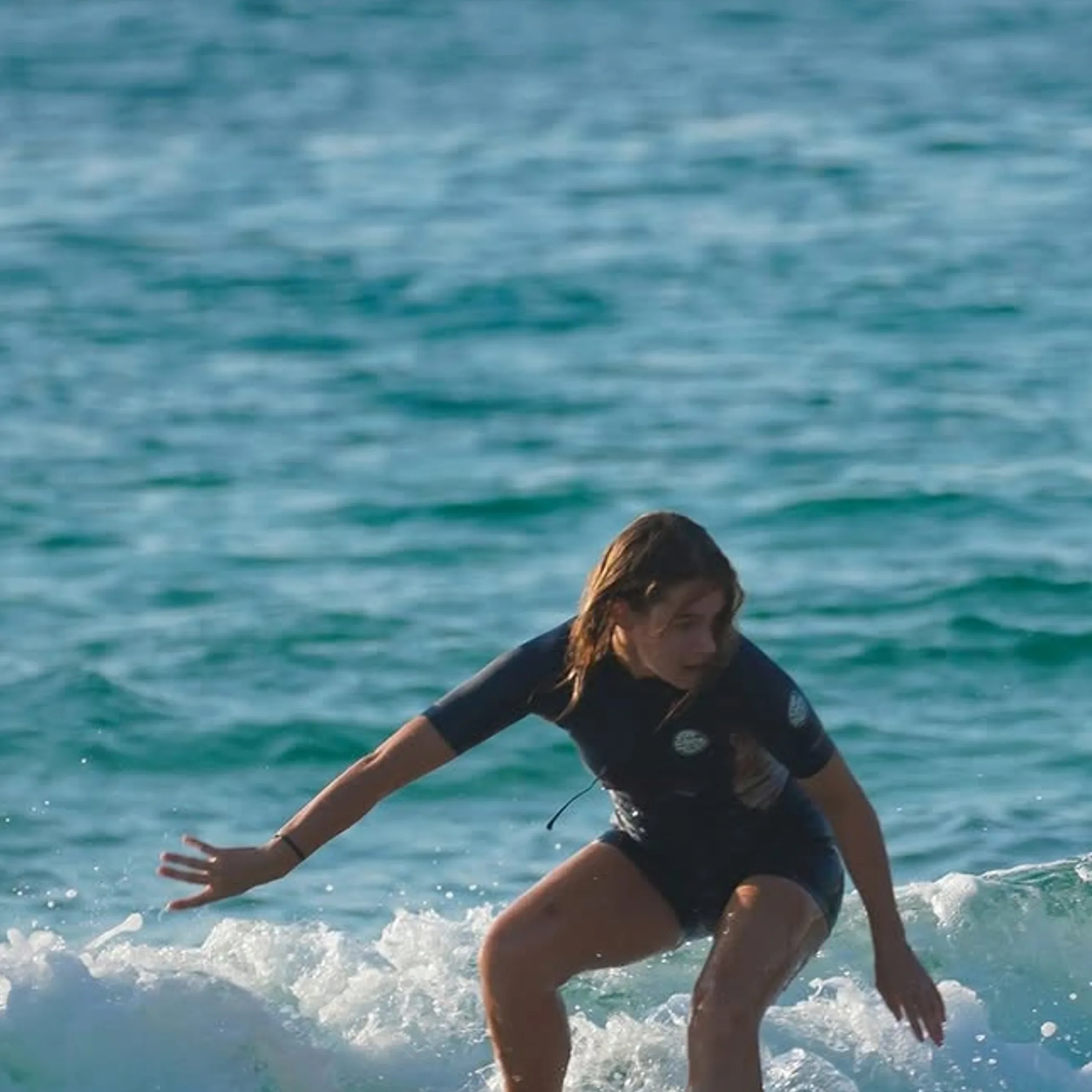
Weather, daylight and one’s own experience will dictate the ideal itinerary. When in doubt or with family in tow, do not make surfing an end in itself but rather one element of the day.
| Experience | Best way to go | Risks to be aware of | A sensible plan |
|---|---|---|---|
| First-time surfer | Put in for a lesson at a patrolled beach | Poor wave choice, rips, board collisions and fatigue | Make time for some instruction and warm clothing, have a meal and put in no hurry on the way back |
| Confident swimmer | Check Beachsafe and work with a buddy | Wind, changing swell, currents and rocks | Opt for a sandy entry and be prepared to call it quits if you are not comfortable |
| Experienced surfer | Before paddling out to an untried break, size up what local hazards there are | Powerful sets, reef injuries and a crowded line-up | See what the tide and weather are like and where the emergency exits are |
One Day Only
New to the sport? Then a lesson at a patrolled beach and a good look at the conditions should come first. Do not put yourself in unsuitable weather to have a session; better to put in a slow return journey and spend the balance of the day in town having some local food and exploring from shore.
On event weekends get your accommodation and parking sorted in advance. While Torquay surf events info is useful for planning around the crowds, the schedule is no assurance of beginner conditions at all beaches in the vicinity.
Some Questions Asked
What Are The Main Surf Hazards?
Rip currents, rocks, a sudden change in the waves, cold water, strong winds, reef breaks, fatigue and too many people in the line-up. As these can alter in the course of a session and differ from one beach to another, it is wise to check with the lifeguards and Beachsafe.
Which Beaches For A Beginner?
A patrolled beach with a sandy entry, some room to move and lessons from a qualified instructor. Torquay can be right for a beginner under the right circumstances but there is no such thing as a beach that is safe by default. Run it by the local lifeguard or an instructor.
How To Tell A Rip?
There will be a darker channel and not so many breaking waves, a void in the whitewater, foam or debris being taken out to sea. From the water it is hard to tell so if there is any question of it, ask a lifeguard and stay out.
Is It Advisable For Beginners To Surf Where There Is A Patrol?
Indeed. Between the red and yellow flags when they are on duty is where a beginner should be, following the lifeguard and making use of an instructor. It does not negate every hazard but a patrolled beach means help is at hand.
If Caught In A Rip
Hold onto your board and float, keep your composure and put up a signal. Swimming against it is not the answer. Once you are out of the worst of it make for shore parallel to the coast and in with the broken waves if it is safe. Should anyone be in danger straight away, alert the lifeguards or dial 000.
Safety First
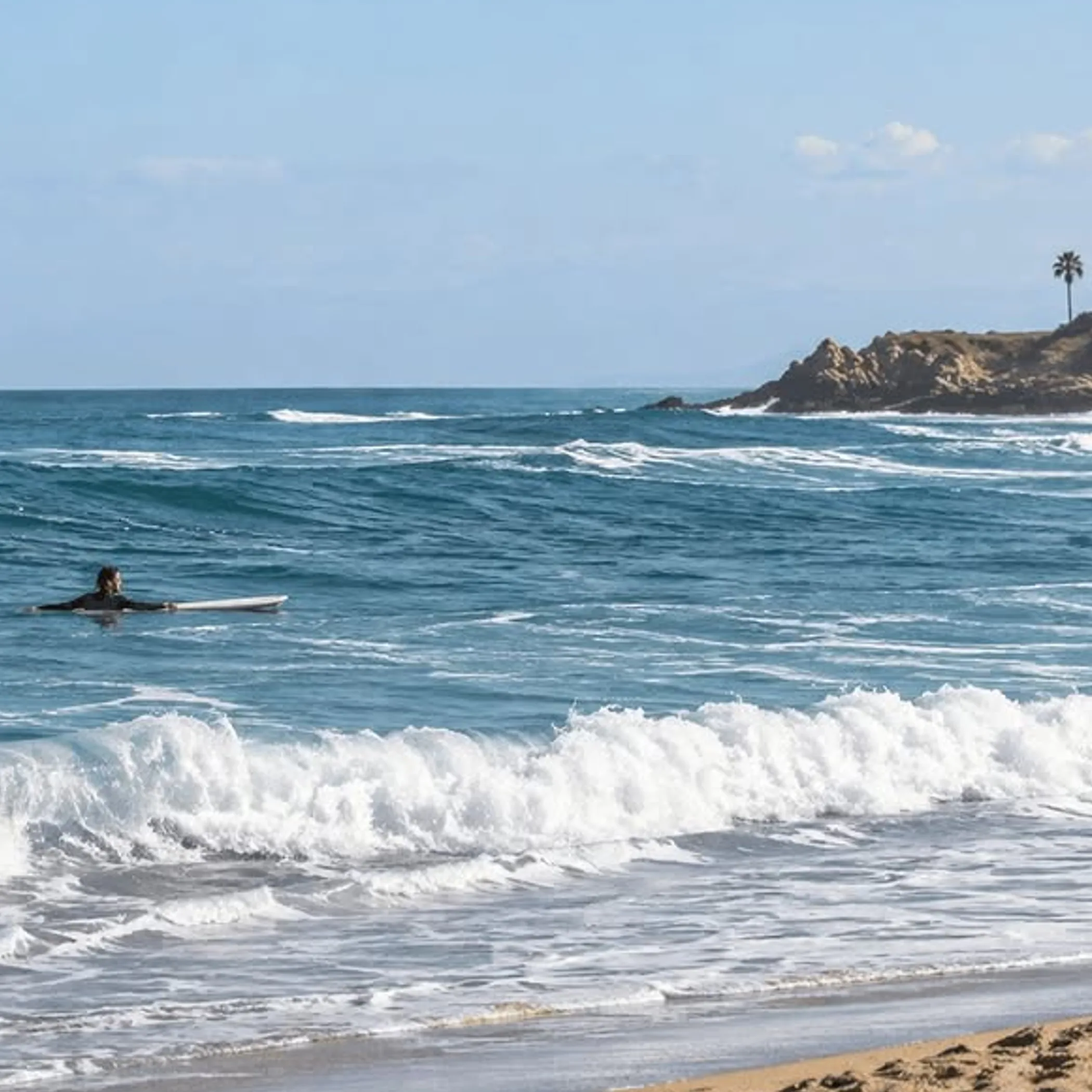
The Great Ocean Road is for those who take their time and read the coast. Heed the forecast, have a buddy, let the lifeguards be the authority and get out of the water before you are too tired or the conditions are telling you to.
These are the kind of tips Australia visitors would do well to follow: know your limits and be ready to put off a session when it makes sense. You will find the ocean there tomorrow in all its smugness.
