Title: Stormwater Regulations For Cleaners
Description: Practical 2026 advisory on Australian stormwater, wash water control, trade waste and waste water disposal.
Stormwater Pollution Prevention Guidelines for Cleaning Services Australia has one simple rule: never think you can allow your cleaning wastewater into a stormwater drain. Most places in Australia, the stormwater drain will take rainwater directly to creeks, rivers, wetlands, beaches or the sea. Stormwater drains are not there to use as a sewer.
Cleaning companies should contain the washing water, recover it, treat it (if possible) and then send it to the approved sewer, trade waste connection or licensed waste contractor. The local council conditions, state EPA requirements, site rules, type of contamination are all important. For more detail, see pressure cleaning wastewater rules. This practical guide by Charles Whitmore gives the 2026 practical solution, without turning your wet driveway into a mountain.
Cleaning sector stormwater pollution problem
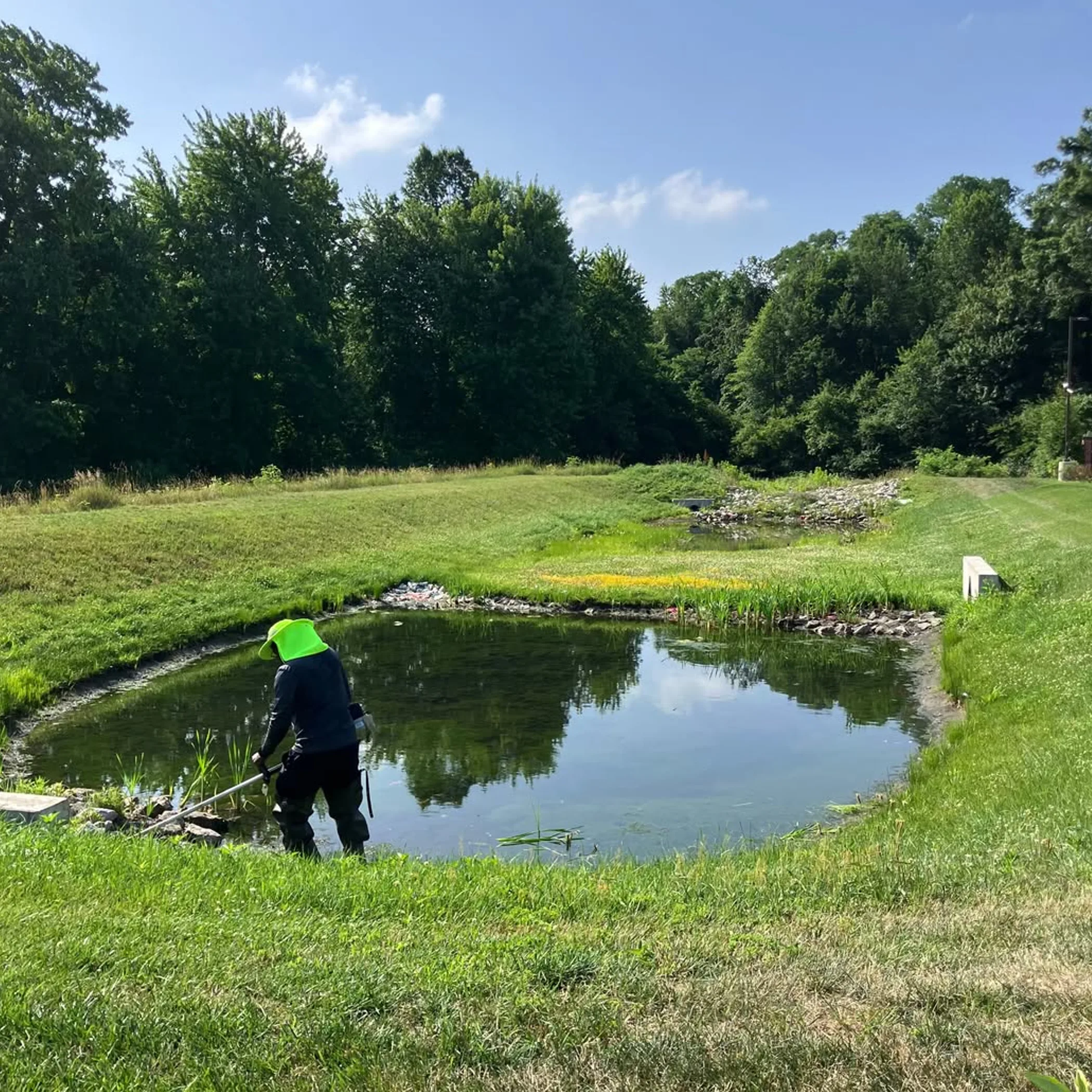
Responsible stormwater pollution prevention Australia practices protect local waterways and also reduce the likelihood of complaints, costs, interruptions or compliance action. The practices also indicate that the client receives assurance that the cleaning business understands all aspects of environmental compliance in respect to commercial cleaning, rather than just pointing a hose down hill.
High-pressure cleaning can remove more than just dirt. The runoff may contain oils, greases, solvents, waste paint, sediments, litter, detergents, heavy metals, animal waste and microplastics. The same is true for biodegradable detergents when washed in concentrated form, they can degrade the aquatic environment if discharged at the wrong place or concentration.
Mistakes cleaning companies make
The common error the cleaning companies make is to think that clear looking water is negligible. The water may not look stale, but it may still have absorbed pollutants that were not visible from the kerb.
Another common error is to block the stormwater drain with rag or small sandbag, and to think the job is controlled. That might not be the case during heavy rains, especially if it happens during the wet season, summer storms period or if the slope of the driveway causes the water to run around the barrier. Well-planned wastewater containment is supposed to have low points control, secured edges and methods of recovery, as well.
At my house in Adelaide Hills, I saw with my own eyes leaf litter and garden soil moving much farther than I expected after even a short burst of rain. The lesson was clear: the water goes out the easy way, and no matter how carefully you planned your work, it does not care.
Cleaning industry waste water disposal rules
Waste water disposal rules in the cleaning industry will depend on the location of the work, type of contaminants present in the waste water and the destination of the waste water. There are no single national pressure washing wastewater Australia permit that will cover every single job.
The best place to start is to prevent allowing waste water discharge to the stormwater drain unless you have confirmed with the authority that such discharge is allowed. There may be behaviour towards sewer discharge as well. You will need permission or some sort of pre-treatment prior to the connection done by trade waste authority or water utility.
Stormwater is not sewer
Stormwater is not sewer, as Australian stormwater systems will typically drain all collected rain from roofs, roads and yards. Sewage systems transport wastewater to a treatment facility, but access to this sewage service is limited, which means that such access is not always provided to a professional cleaner who uses a mobile service.
“Drain is just for rain” is a great rule of thumb to observe at the site. The Drain is Just for Rain campaign conveys the message that we should not allow contaminants enter stormwater systems. If a worker is in doubt about what drain is what, they need to stop work and check with the property manager, water authority or council.
Duty of care legislation is applicable here
Many states have a general environmental duty under which businesses must take adequate steps to prevent pollution. This is represented by the General Environmental Duty in Victoria. Other states and territories have various legislations, approvals and enforcement schemes but the effect is the same: the business operator needs to identify the risk, control it and retain evidence of the actions.
For a plain-english overview of the instances where a business operator may need an environmental licence or permit, see this Australian Government information about environmental licences and permits.
How to control wash water from entering the stormwater system
Successful containment of wash water is largely about planning the flow path before proceeding with the washing operation. Walk the area, identify every stormwater inlet, check the slope and determine where collected wash water will be stored or transferred. Containment of wash water needs to be done in adequate and sufficient manner because relying on a single control method for a high-risk job is highly undesirable.
Plan the work site
Ask the site contact where the sewer points, hose taps, stormwater drains and vehicle routes are at such site. This will help a worker understand the connects between the work site and a carpark, public footpath or road. However, please note that the work site may be connected to a carpark or something similar and when one inlet is blocked the runoff from the area where the washing is done can still take place.
Weather is very important. Whenever rain has occurred, the work should be postponed at all costs, especially when the surface is steep or has an open drain present. Cyclone alerts in Northern Australia create great obstacles for work processes in cyclone area, particularly during the wet season. The water that has been extracted needs to be properly contained in labelled bins or tanks that are appropriate for the type of liquid and are safe from tipping. Never leave an un-covered tank where youngsters, visitors, pets or forklifts can push it over.
Manage The End Disposal Point
Containment of the liquid is only one aspect of the task. Before commencing, ensure that you know whether the liquid is to be connected to an approved trade waste connection, an approved sewer outlet, an approved treatment facility or a waste contractor.
Do not dilute and drain waters if the waters comprise of solvents, oils, paint or other hazardous substance. Diluting, would not make contamination disappear. All dilution does is simply relocate contamination from one location to another.
Safe Wastewater Collection, Treatment and Disposal Options
Methods of disposal depend upon factors such as contamination, amount and local permissions. For instance, a light domestic rinse may have different controls to that of a shopping centre car park that has been affected by oil, rubbish and sediment.
Maintain records of jobs that include location, date, approximate volume, or amount of products used, containment method and where wastewater was disposed. This would aid in auditing, when the customer asks ‘where did the water go’.
Select the Appropriate Pathway
| Wastewater Possibility | Preferred Control | Critical/Other check |
|---|---|---|
| Rinse water lightly contaminated from a controlled indoor location | Collect and utilise an approved wastewater or trade waste drain | Confirm approvals with someone at site and the water authority |
| Outdoor wash water collected, near stormwater drains | Utilise a portable wash mat, bunds and recovery equipment | Eliminate each visible pathway to storm water |
| Water with oils, grease, solvents | Keep separately and use licensed waste contractor | Check classifications, transport and disposal rules. |
| Washings of paint or heavy sediment | Detain the solids, then send off the liquids and the residues to a certified facility. | Do not discharge anything without written permission. |
| Unknown contamination | Stop everything and contain it, then get the proper professional assistance. | Never make assumptions based on how it looks. |
Separate Solids and Liquids
In some cases, use screens, filter socks, or settling devices to separate the solids and liquids, but you still cannot automatically assume that means the liquids are able to be discharged to sewerage. Extract the accumulated sediment and litter from the work area and dispose of appropriately, depending on the contamination.
Keep a chain of custody for the waste sent away. A disposal docket from a licensed waste contractor is better than some verbal promise that the tank has been “sorted out.”
Cleaning products and dry-cleaning processes
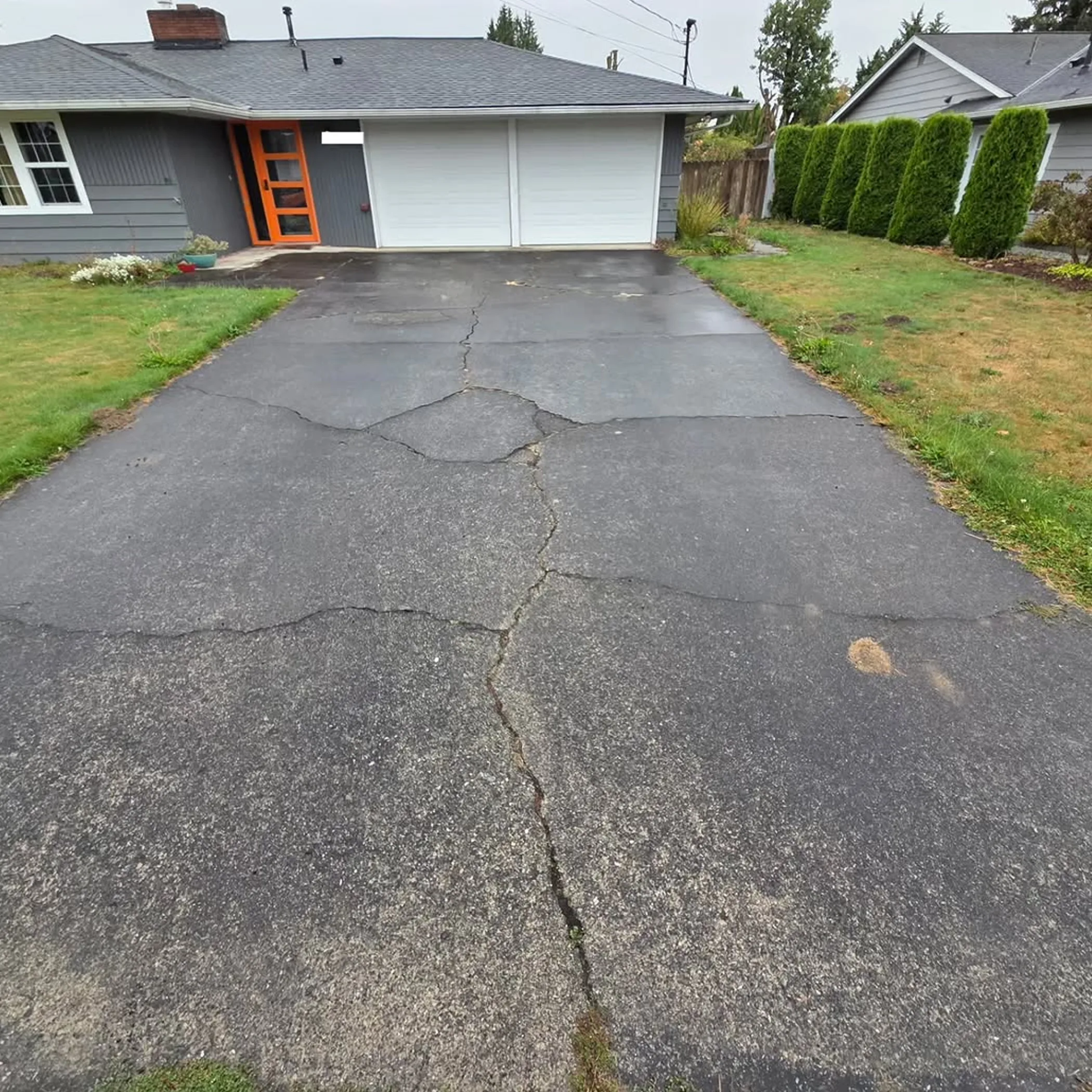
The best wastewater is the wastewater you never produce. Using dry-cleaning methods you might be able to remove the loose litter, dirt, leaves, and sediments before you put in any water, which reduces the amount of wastewater you created by decreasing both the volume and pollutant load.
Product selection matters, but unique “eco” label on a product is not a free pass to discharge it in the rain. Read the safety data sheet, observe the dilution instructions, and choose cleaning products with low toxicity suitable for the surface and disposal route.
Reduce water and chemicals
First sweep or vacuum any loose material. If you have to use it, select the application of water and chemicals only to specific spots, instead of flooding all over. Even if they are biodegradable, detergents may reduce persistence in the environment, yet still affect aquatic organisms.
Keep the chemicals inside the sealed containers away from stormwater inlets and separated from oils and solvents. The small spill kit must contain absorbent material, waste bags, gloves, and method to stop drains from flowing when spill occurs.
Caution plastic and litter
Cleaning businesses cleaning plastic pelts, package fragments, or industrial pellets must not let it go to drains and keep the equipment clean. Operation Clean Sweep may help a lot here. As established, operation must comply to local environment regulations.
Before every job, check hoses, fittings, and equipment. A split hose can turn the neatest job into a long and slippery dispute with gravity.
State and territory compliance considerations
State and territory rules are different, but every state expects reasonable practices to avoid pollution. Your contract, risk assessment, and disposal records must mention the authoritive entity.
Consult with the local council and water authority, ask questions about sewer discharge, trade waste, and local drains regulations. Owners of sites permitting you to clean surfaces do not always authorize you to discharge wastewater.
Check with the local authorities
| Geographic area | Practical compliance focus |
|---|---|
| NSW | Consult with NSW EPA, council stormwater measures, and relevant water authority. |
| Victoria | Follow the General Environmental Duty; consult EPA Victoria and water authority about waste and trade waste regulations. |
| South Australia | Check with EPA South Australia regulations as well as council and water authority obligations. |
| Queensland | Check with council requirements, obligation to environmental authorities, and sewer, or trade waste permission before performing frequent commercial tasks. |
| Western Australia | Consult with local government rules and requirements of the Department of Water and Environmental Regulation, the respective water utility. |
| Tasmania | Check with council and EPA regulations, especially concerning the industrial sites and sensitive waterways. |
| Australian Capital Territory | Consult with the environmental regulations and sewerage requirements before discharging anything on site. |
| Northern Territory | Make necessary arrangements before the rainy season, and consult with local authorities on stormwater and containment practices. |
Stormwater pollution prevention checklist
Use this checklist when quoting, doing induction, and cleaning. The checklist is useful because it may not help a lot if the drain is already foaming.
- Identify every navy drain, grate, and open low point.
- Check to see if the site has a permitted sewerage or trade waste connection.
- Check the weather forecast and postpone if you think containment will fail.
- Choose from a portable wash mat, a temporary bund, sausage barriers or other suitable measures.
- Set up your vacuum recovery or other collection system before washing.
- Only use the minimum amount of water and detergent necessary.
- Any oils, grease, solvents, paint washings, sediment, and litter must be kept out of the storm water.
- Mark the recovered wastewater and secure it.
- Use a licensed waste transporter or certified treatment facility whenever needed.
- Record the disposal path, estimated quantities, product used, and incident response.
Single Day Tasks
If you only have a day to improve a cleaning operation, prioritise drain mapping, containment systems and disposal plans. Train each worker to stop the pump, block the flow, and notify a supervisor if the cleaned water escapes.
This work involves cleaning teams trained to assess surfaces, handle chemicals, and operate recovery systems. It is not for inexperienced workers without a plan for the discharged water, hazards and/or spill kit or ability to differentiate between storm water and sewerage infrastructure.
- Before arriving, verify site contact, weather forecast, access routes, and disposal destination.
- Upon arrival, walk the site and take photos of the drains and containment points.
- Install the systems, that is, test your recovery path using a small amount of clean water and commence work.
- At the end, inspect the kerb and drains to remove solids, secure wastewater, and complete job records.
Frequently Asked Questions
These questions can disorientate even experienced operators because every site is different. Keep in mind when treating the answers as a safe place to start, please validate the exact requirements with council and/or water authority.
Can I Put Pressure Cleaning Wastewater Into A Stormwater Drain In Australia?
No. Pressure cleaning wastewater is to be contained and recovered unless written approval is granted by council or water authority representatives. Stormwater drains often lead directly to waterways without treatment as is applied to sewerage wastewater.
How Should Cleaning Businesses Dispose Of Wastewater From Pressure Cleaning Activities?
Collect, assess the level of contamination and dispose using either a trade waste connection, approved sewer discharge, licensed waste transporter or certified treatment facility. Document evidence of disposal location, never combine hazardous liquids with ordinary wastewater.
Do Pressure Cleaning Businesses Require A Trade Waste Permit?
Sometimes. You may be required to obtain a permit or written approval if the wastewater will be directed to a sewer or trade waste connection, particularly for regular and/or high volume remainder time of cleaning jobs. Permit requirements vary across water authorities, councils, states and sites.
What Are The Main Differences Between A Stormwater Drain And A Sewer Drain?
Stormwater drains convey runoff from rainfall into waterways; practices vary in different states and territories. Sewer drains convey wastewater. Stormwater drains lead to the waterways unprocessed while sewer drains lead to a system of treatment.
What Equipment Can Be Utilised To Stop Wash Water Entering A Stormwater Drain?
There are many helpful pieces of equipment available, including portable wash mats, temporary bunds, sausage barriers, drain covers, wet vacuums, pumps, and holding tanks. Use the discussed tools accordingly based on the slope of the site, expected volume of water, weather, and possible contamination.
What Are The Penalties for Stormwater Pollution In Australia?
Penalties for stormwater pollution vary considerably from state to state and incident severity. Penalties may include clean up instructions, investigation costs, infringement notices, prosecution, license implications and civil claims. It is impossible to provide a reliable estimate as to how much can be claimed without knowledge of the appropriate jurisdiction and the offence. Prevention, prompt notification and record keeping is the logical safeguard.
Embed Compliance In The Work
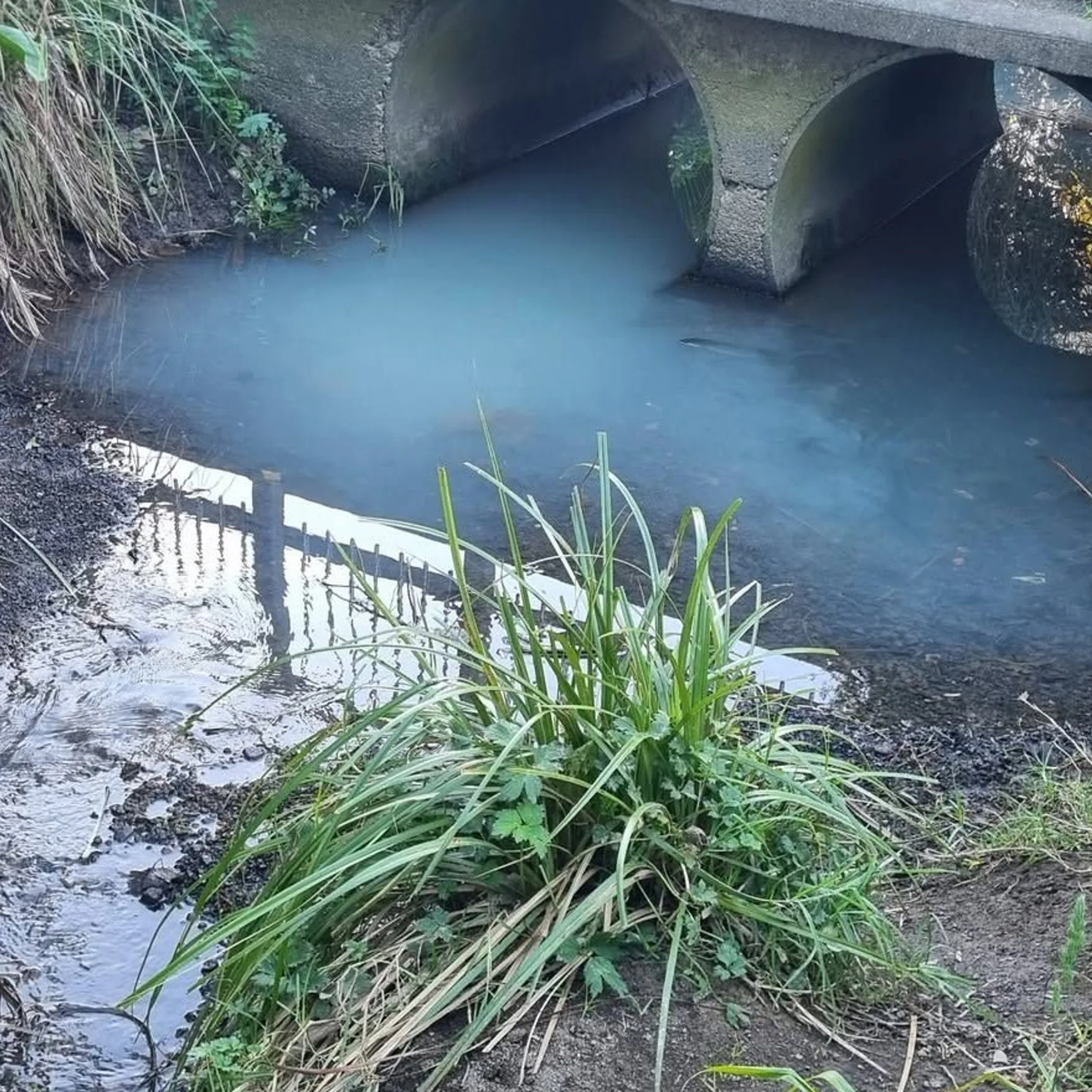
Compliance with pressure washing regulations is simple when it has been incorporated into quoting, set up and down instead of as an urgent repair. Survey the drains, contain the water, select your disposal method and file!
That method safeguards customers, employees, water courses, and the company. In the variable climate of Australia, with its dry periods, wet seasons, and at times extreme weather conditions, a hose will uncover a weak spot. Your objective is to ensure that the weak spot is not the nearest stormwater drain.
