The impact of the monsoon on the forests of northern Australia is considerable. The seasonal winds are responsible for the heavy rain that refills rivers and wetlands, spurs vegetation into a quick growth and redefines the fire risk in the tropical north. But there is a flip side to that rainfall; when you have thunderstorms or a tropical cyclone in close succession with a monsoon burst, it can lead to erosion, access issues and flooding.
I am Charles Whitmore of the Adelaide Hills. One learns here that the weather does not conform to the calendar. In northern Australia they take that to another level altogether. A dusty track will be reduced to brown soup in the wet season, dormant plants put in an appearance in a matter of weeks and a traveller is left to question if what is ahead is still a road. This is a guide to the Australian monsoon and its effect on people, savanna eucalypt woodlands, the wildlife and the forests.
What Is The Australian Monsoon?
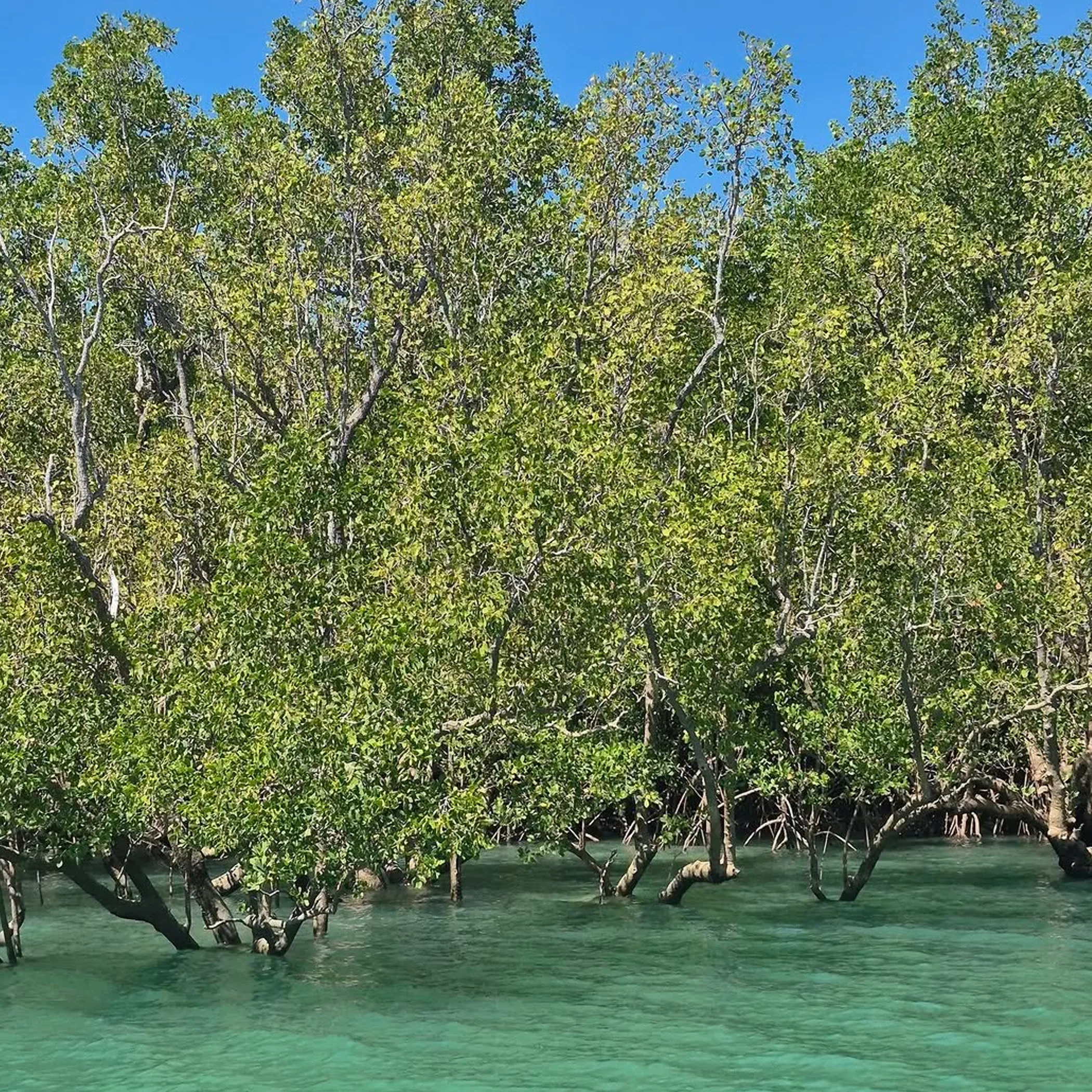
Put simply, it is a shift in the wind and rain over northern Australia. Moist air is pulled into the tropical north by the interplay of large scale atmospheric circulation, the surrounding seas and heated land. It is one element of the Indo-Australian monsoon system as a whole. If you want to see what the current conditions are, the Bureau of Meteorology has the best seasonal outlooks and official climate data to consult; they chart the influences of ocean temperatures, pressure and tropical circulation.
How The Monsoon Trough Works
This is a low pressure area of some breadth that will make its way across the north. While its position is not fixed from one season to the next, it sets off organised rainfall and cloud by drawing up moist air. You might find the north is building up humidity with the odd thunderstorm before the trough puts down roots. Then the monsoon proper comes and the rain is more of a persistent affair. After a few days of a monsoon burst there will be a lull until the next phase.
When The Wet Season Is Upon Us
For the most part the wet season in the north is with us from October or November to April, but do not expect Darwin, the Kimberley or Cape York to have the same pattern as the inland NT. For tropical rainforest climate details, these regional differences are important. The early part of the season is oppressive enough with its heat at night and sudden storms. By the middle of the wet season the rainfall is to be relied upon, but as the dry season draws near in the late wet season things can get unsettled again.
Seasonal Conditions To Expect
Roads may be flooded, tracks closed and there will be lightning and branches in the way. What was an easy route in the morning could be hazardous by afternoon, say at a creek crossing or on a floodplain. Typical of the wet season are:
- Intense rain and heavy thunderstorms.
- Relentless rain in the active phases of the monsoon.
- Thick vegetation and ground made slippery by high humidity.
- Tropical cyclones at some point between November and April.
- Parks and boat ramps that are temporarily off limits.
Then there is the speed of the water. That is what gets people. The sky may look inoffensive but a dry creek bed can be a perilous place to cross after rain has run off upstream.
How Rain Changes Forest Structure

Plants that have been enduring months of aridity are given water and the forest is transformed. Where there was little cover of a dry nature you will now see dense grasses, new leaves and flowering. The forest floor is no exception; with the leaf litter damp and fungi at work, small invertebrates are more in evidence, which in turn sustains the larger animals and a rise in biological activity.
Growth After Long Dry Months
After the long dry spell many of the shrubs and trees of the tropics are quick to put out fresh foliage or fruit to their own schedule. Grasses put on a lot of growth, making for good feeding for wallabies and birds. In a monsoon rainforest you can see it in the vines, ferns and palms making the most of the shade and moisture. Out in the open woodland the understorey of herbs and grasses will change if not as overtly.
But annual totals are not the whole story. Intensity of the rain, how well the soil drains and the length of any break in the wet all come into play. A spot with steady rain will bear little resemblance to another with comparable figures but a couple of violent downpours.
Wildlife And Forest Recovery
The wet season is a time of renewed vigour in the forest. Insects, frogs and reptiles as well as birds and mammals put on a show of activity. With billabongs and other pools running full, and flowering or fruiting plants putting out food that one would not find in the dry months, the forest comes alive.
Such seasonal shifts are a factor in breeding too. One will hear the call of frogs after a rain, see waterbirds congregating at the wetlands and insects being made available to fledgling birds. All in all the place is greener and louder, and less amenable to any itinerary you have put together.
Adaptations In A Wet Landscape
Northern species have their ways of dealing with the extremes. Flora and fauna make do through various means: some plants can stand waterlogged ground, others put down deep roots or go into a seasonal dormancy to get through the long dry spells. Thick bark is another survival tactic.
When floodplains are under water animals will change their habits. Fish find their way to new wetlands and crocodiles and waterbirds make use of the wider waterways. Bats, birds and reptiles are catered for by the large numbers of insects that turn up post-rain.
Then there are introduced animals to contend with which can upset the seasonal order. Cattle, pigs or Asian water buffalo are known to erode soil and harm the edges of wetlands. The degree of impact is a matter of where they are, how hard they graze and what has been done with the land in the past; conservation efforts have to take account of that as well as the rainfall.
Rainforest And Eucalypt Woodlands
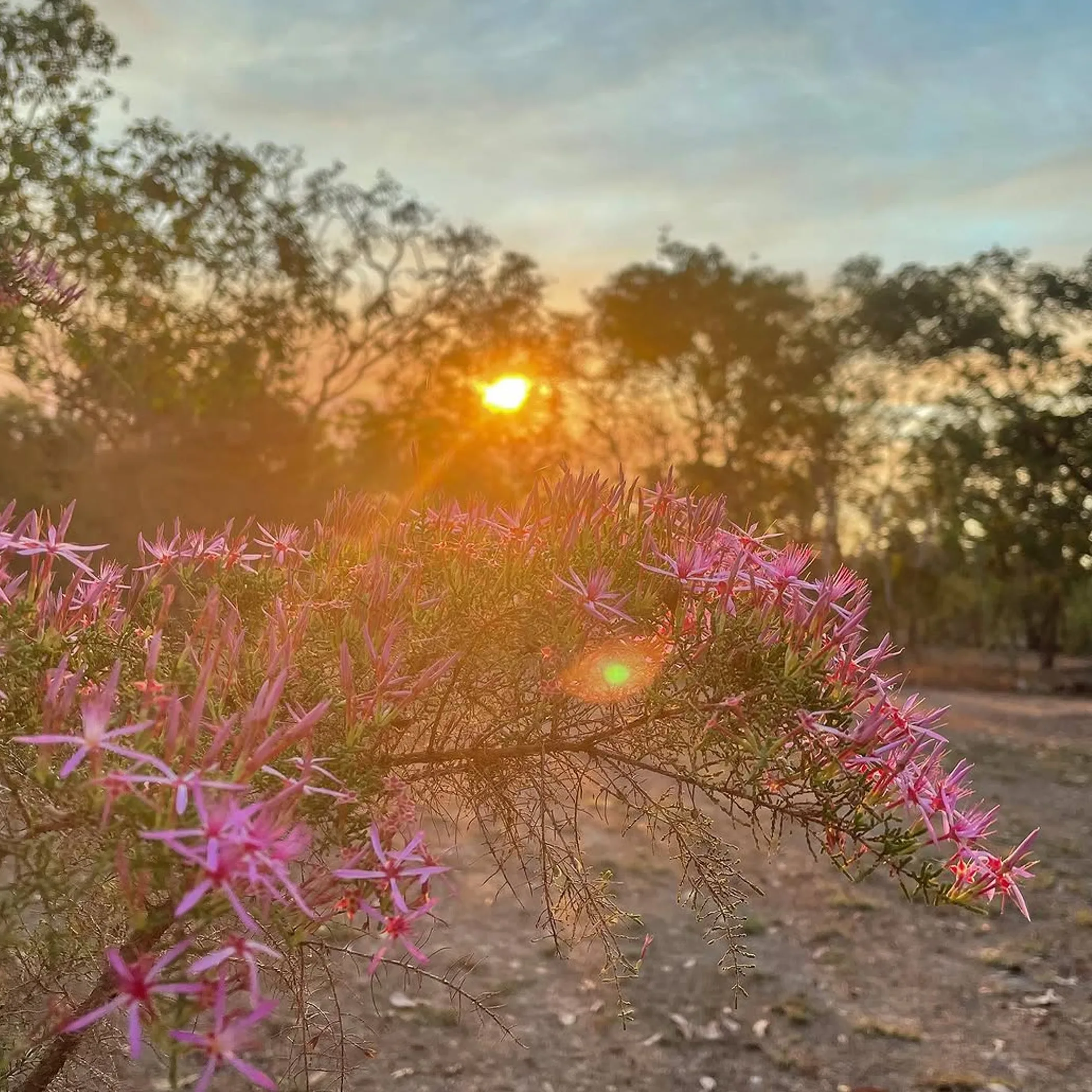
Do not be misled by a few good photographs into thinking the monsoon forest of Australia is all of a piece. There are vine thickets and riparian forest, pockets of true monsoon rainforest and other communities that like the moisture, but the greater part of the country is open savanna eucalypt woodland. It is important to make the distinction since each type of vegetation has its own way of reacting to fire, disturbance and the rains.
Two Landscapes, Different Responses
| Vegetation type | Wet-season response | Main pressure |
|---|---|---|
| Monsoon rainforest | Dense leaves and vines, fruiting, a wet understorey | Weeds and feral animals, clearing, fire at the dry edges |
| Savanna eucalypt woodland | Seasonal flowers, fresh leaves, grasses put on growth | Fuel loads are altered, there is grazing pressure and late dry-season fire |
| Riparian forest | Banks are lush, stream flow and wetland connections increase | Erosion, weeds, bank disturbance and the damage of floods |
One finds monsoon rainforest in sheltered coastal spots, river margins and gullies where it is out of reach of much fire. The savanna eucalypt woodlands are more extensive and shaped by nature’s fire, grazing and rain.
The common misconception is that a healthy forest is the automatic result of more rain. In fact heavy downpours can do an end run on young plants, spread weeds, uproot trees and wash the soil away. Health is a question of intensity and timing and of what follows in the dry season.
Fire Risk And Flooding
A rain will put out any immediate threat of fire by soaking the vegetation and litter. But the profusion of growth from the wet season makes for a substantial fuel load when the grasses eventually dry out on a landscape prone to fire. It is a trade-off of sorts: the rain puts a stop to active fire yet lays the groundwork for grass fires to come. What happens then is down to wind, humidity, temperature, fuel continuity and the decisions of those managing the area.
Why Flooding Still Matters
Flooding is the other consideration. Water levels in creeks, rivers and wetlands have a habit of rising fast enough to cut off a community or a road. Debris and sediment are carried into coastal and freshwater systems and banks reconfigured.
For the visitor the rule is plain: if a crossing appears shallow do not drive into moving water. Put a spare day in your schedule for the northern Australia wet season, heed any closures and read the road reports. A four-wheel-drive does not negate the laws of physics.
There are hazards to be had walking in the wet as well, from crocs and mosquitoes to heat stress and loose rocks. Stay croc-wise at the waterway and do not swim unless the authorities have said the site is safe. Heed the local signage.
Lessons From Kakadu And Arnhem Land

In the Top End one can see in places like Kakadu and Arnhem Land the interplay of culture, fire, wetlands and the rain. The seasonal waterways are integral to cultural practices and the habitat of wildlife and food systems, though access is very different in the wet from the dry.
They are living cultural landscapes, Aboriginal land in many cases where one needs the right permits and must abide by local rules, not just topography on a map. Closures and sacred areas should be respected and visitors would do well to follow the community’s lead.
Planning A Safe Visit
Most will head to Darwin as a base from which to see Kakadu and the rest of the Top End. A hire car or tour will suffice in the dry season, as will a four-wheel-drive. In the wet some of the roads and attractions are closed and a return journey may not be on if the water comes in.
A word of advice before you go: put in the time to see what is on offer in terms of accommodation and to check park and road conditions. Make sure you have food, drinking water, a paper copy of your route, insect repellent and the means of communication. Once you are out of town mobile reception has a way of vanishing with some assurance.
If it is a day trip, make for an area close to Darwin or at an official access point where you can be sure it is open. There is no sense in tackling a long remote track on the strength of a map that makes it look short; unsealed roads, creek crossings and the weather will make a short distance an all-day affair.
Climate Change And Future Forests

One cannot be certain how climate change will impact the forests of the future. It could well change the heat, evaporation, sea levels, the course of tropical cyclones and the duration of dry spells in northern Australia, as well as the reliability and intensity of rainfall. The uncertainty is what matters. It is not a case of every wet season being wetter or the dry one harsher, but rather that the predictability of conditions for land managers and wildlife in the wetlands and forests is diminished.
What May Change First
An extended dry period puts more stress on water supplies and opens up the possibility of severe fires. Or you may have such intense rain that flooding and erosion set in without any real benefit of steady moisture for plants. Rainforest edges and woodland regeneration may be impacted by a shift in when fires occur.
Conservation efforts are directed at curbing destructive fire, managing invasive species and protecting refuges, as well as monitoring wetlands and seeing that Aboriginal-led land management is in place. Local knowledge is indispensable given how much the northern landscape can vary over a short stretch.
Practical Wet-Season Checklist
Preparation of the right kind is usually rather dull, but then it tends to work. Do not put yourself to the test with an inflexible plan and view an official closure for what it is, a piece of information.
- Have a look at the Bureau of Meteorology for their forecasts and any warnings.
- See that you have access to the park, the ferry, the roads and a place to stay.
- Put in some extra fuel, water and repellents.
- Phones, documents and maps should be in sealed containers.
- Closed tracks and floodwater are to be avoided, as are banks that do not look stable.
- Abide by the rules and permit requirements for Aboriginal land.
Those who like a predictable road, a good long walk or somewhere open to swim will be better off in the dry season. The wet season has its appeal for those who want to see the green and put up with dramatic storms and the odd change of plans.
Expectation Versus Reality
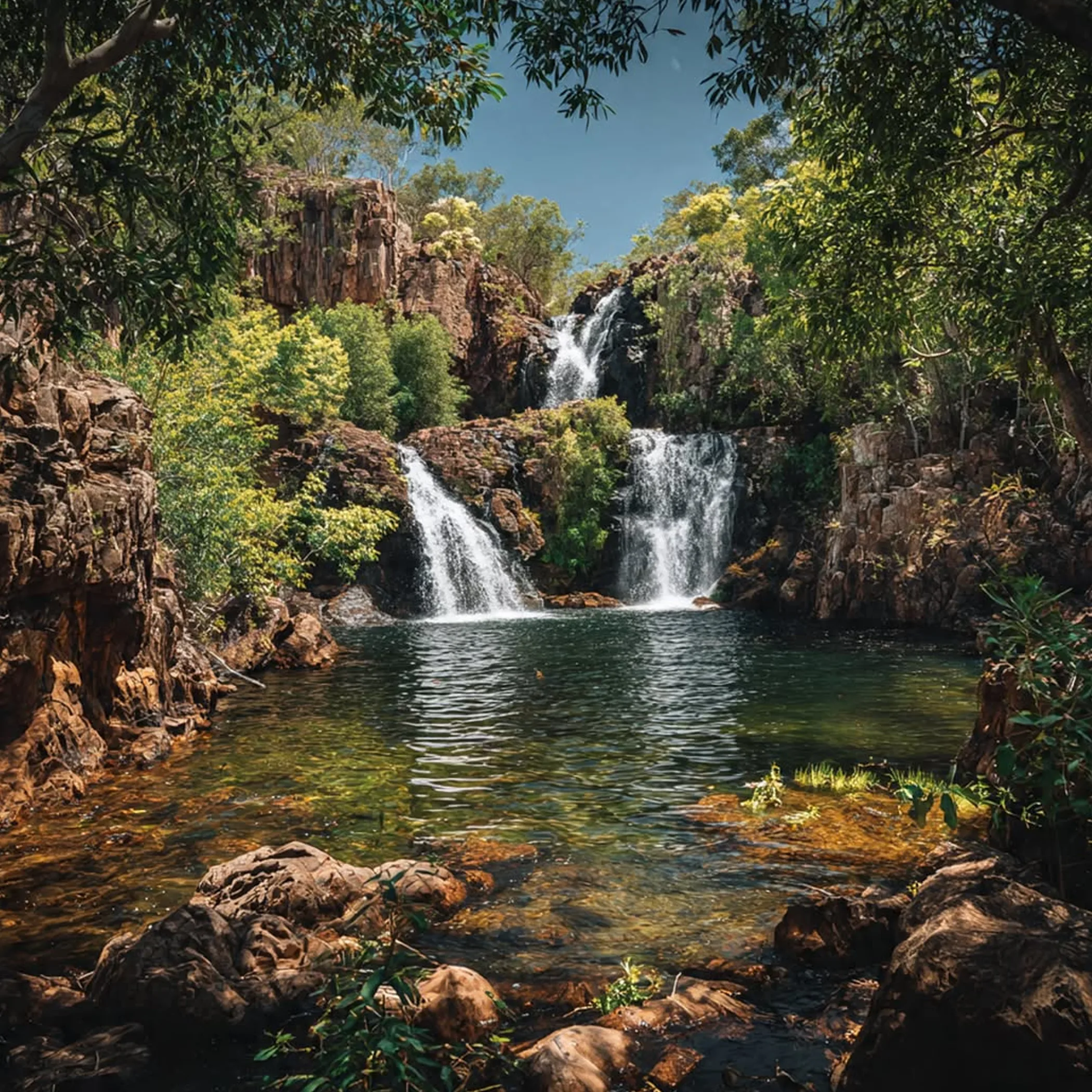
You might think the wet season is nothing but rain from morning to night. In fact there are hot, humid interludes between the more intense storms, though the monsoon can be persistent.
Rain does not equate to the end of fire danger. The immediate risk of ignition is lessened but you are left with thick grass to fuel the next dry season.
And not every forest is going to be a dense rainforest. Much of the tropical north is savanna eucalypt woodland; the monsoon type is found in certain moist places.
Frequently Asked Questions
For those new to the Australian monsoon and the forests of the north, these are the questions that tend to cause confusion.
What Are The Effects Of A Monsoon?
Moist winds, thunderstorms and more than their share of rain and flooding. In the forest it will spur breeding and animal movement, put new life into the wetlands and growth in the trees. Then again it can erode and put a stop to access by damaging a track or road.
What Is Meant By Monsoon Forest?
A community of tropical forest defined by a pronounced dry and a strong wet season. You will find evergreen or semi-deciduous trees, palms and vines that need the seasonal moisture. Not to be confused with the savanna eucalypt woodlands you come across at many a northern site.
Do Monsoons Happen In Australia?
They do. The northern part of the country is subject to the Australian monsoon of the Indo-Australian system. But do not expect the wet season to present itself in the same fashion in Cape York, the Kimberley, Darwin and the rest of the Northern Territory; timing and force are variable.
Will 2026 Be A Wet Year?
The monsoon alone will not tell you the whole-year story. To get a proper read on it you need to consult regional climate data and current observations from the Bureau of Meteorology before you decide on travel or put in place your fire or farming plans.
Where Can I Find Tropical Rainforest?
In the sheltered coastal fringes and along rivers in parts of the north. There are different communities of forest and woodland in the Kimberley, Arnhem Land and Kakadu but your ability to get there will be dictated by the season. For more on the climate of a particular region you intend to visit, a little research is in order.
What The Wet Season Teaches

The effect of the monsoon on the forests here is a cycle. The rain will support the wildlife and fill the wetlands and in turn the vegetation will have an influence on grazing and fire.
Travellers would do well to be flexible. Let the forecast and the terrain call the shots and have your supplies in order. Northern Australia is not being difficult, it is just on a scale of weather most of us are not accustomed to.
