Practical Compliance Guide to the AS/NZS 3500:2025 Updates in Australia
Australia’s principal plumbing and drainage standards have been updated under AS/NZS 3500:2025 to cover four areas of concern: water services, sanitary plumbing and drainage, stormwater/roof drainage and heated water services. But do not be under the impression that a 2025 edition is by default enforceable in law across the board. One has to look to the National Construction Code 2025 for compliance, and to project approvals, transition arrangements and the regulator in the state or territory concerned.
We have put together this guide to set out what the new AS/NZS 3500 series entails, how its four parts are interrelated and the implications for plumbing and roof drainage work. Charles Whitmore has seen to it that the writing is in plain English; there is no need to make standards read like a meeting better suited to an email. In doing so we hope to show where property owners, certifiers, designers and contractors might run into trouble.
What The 2025 Series Covers
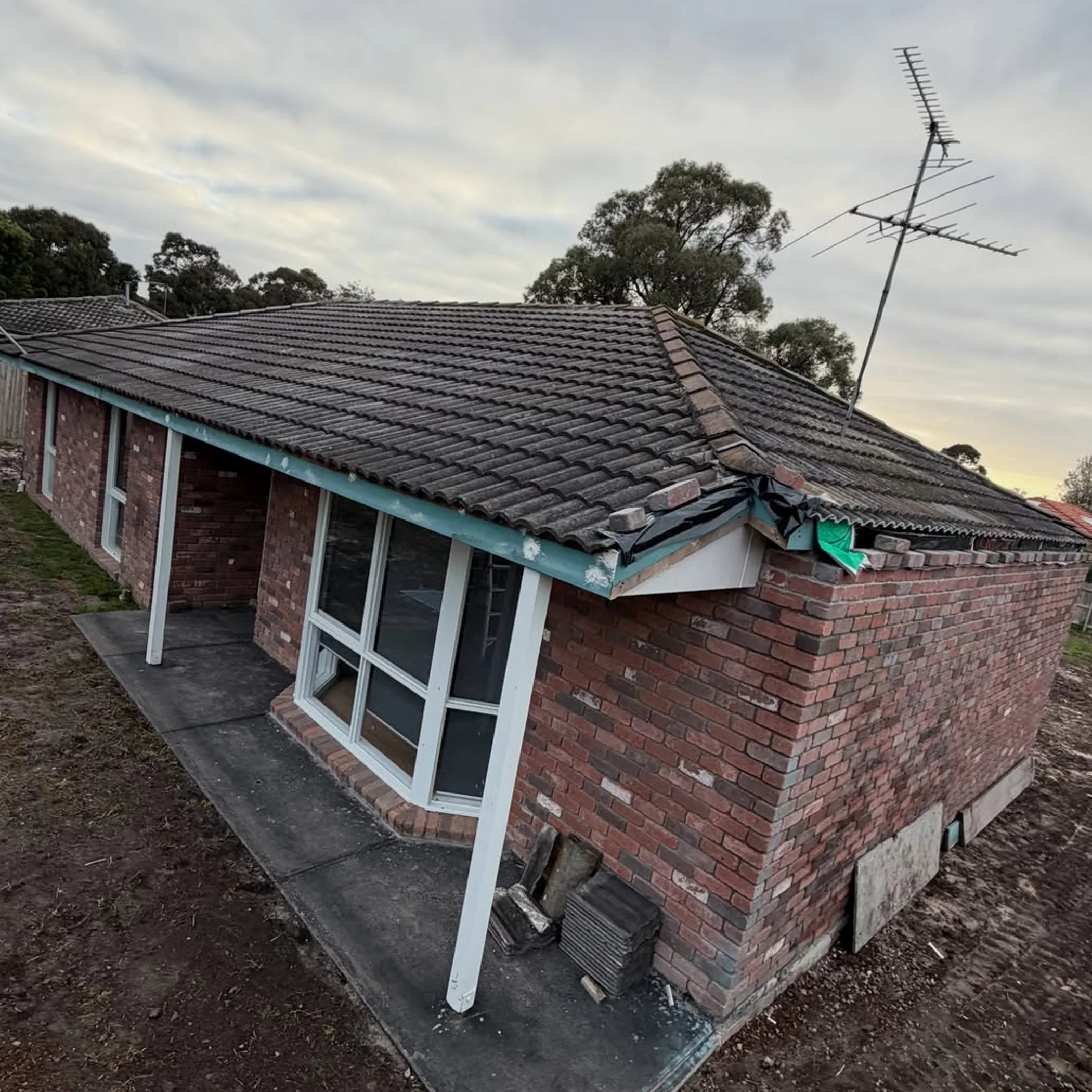
For plumbing and drainage of a common nature in Australia and New Zealand, the AS/NZS 3500:2025 series lays down the technical rules. Here in Australia they are in concert with the National Construction Code and the laws of each state and territory on matters such as approved products, inspections and installation.
There are four principal parts to the series, each for a different service, though on any given project one will often be dealing with more than one. A new home is a case in point, where you may have to review the water services, sanitary and roof drainage and heated water provisions in tandem. See the roof drainage standard updates for more information.
| Standard Part | Main Subject | Typical Project Questions |
|---|---|---|
| AS/NZS 3500.1:2025 | Water services | Is the potable water pipework, pressure controls, valves and fixtures of a suitable kind and put in properly? |
| AS/NZS 3500.2:2025 | Sanitary plumbing and drainage | Have the toilets, waste pipes, traps, vents and drains been correctly tested and put in place? |
| AS/NZS 3500.3:2025 | Stormwater and roof drainage | Will the surface and roof drainage systems do their job of collecting and discharging runoff without issue? |
| AS/NZS 3500.4:2025 | Heated water services | Are the hot-water system, safety devices, temperature controls and pipework all installed as they should be? |
To a project team this four part arrangement is the most telling statistic of the series, but it is not a measure of percentage compliance and should not be viewed as such. It is possible to come up short on one part while being in order on another.
What Counts As Compliance
It is not a matter of simply picking a pipe off the shelf to be in compliance with AS/NZS 3500. There is a requirement for proper materials, design and installation, access and testing.
The type of work is also a factor. A renovation or repair will be judged differently from new construction, especially if the building as it stands precludes a full reconstruction. Leave it to the licensed professional and the regulator to determine the right course.
When The 2025 Edition Applies
Current information would have one believe the latest is the AS/NZS 3500:2025 series. Yet the year of publication does not settle all compliance questions in Australia. What edition is in force can be dictated by the NCC 2025 plumbing provisions, the timing of the design approval and when work was to start, and the standard’s adoption by the state or territory.
As the supplied information for this article does not give a precise commencement date for every jurisdiction, it would be unwise to assume 2025 requirements are in play for a 2026 job. Before altering an installation method or design, see the project contract and what the regulator says.
How To Check The Current Edition
Do not rely on the first thing that comes up in a search, follow the legal pathway of the project. Put aside the building classification and the plumbing at hand, note the approval date and which state or territory authority has oversight of licensing and inspection, and what the NCC provisions are.
See if the contract stipulates an edition of the standard; it could be calling for something newer than the regulation minimum. Or the regulator may have transitioned some work already under way. For a sense of how the NCC and technical standards relate, the Australian Building Codes Board is a good resource, but local enforcement is a matter for the relevant plumbing authority.
Water Services Requirements
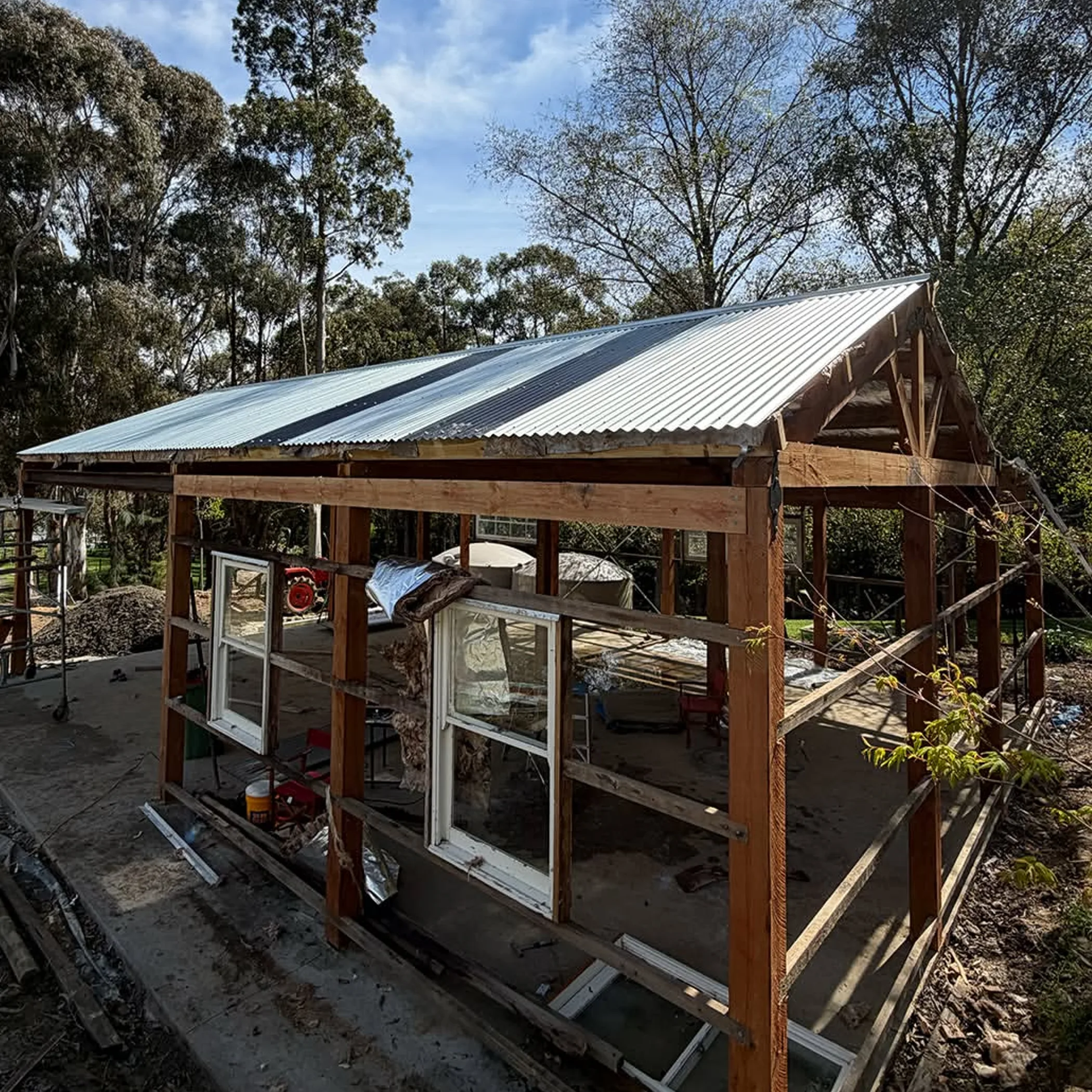
With AS/NZS 3500.1:2025 one finds the requirements for water services, that is to say the systems designed and installed to supply water to equipment, appliances and fixtures. In the course of a practical check one will look at pipe sizing, pressure and protection from contamination, as well as materials, isolation points and what access there is for maintenance.
The standard is no less important on a small job than a large one. You might have to be meticulous with pressure management in a commercial building over several storeys; put in a house renovation and you are apt to come across pipework that is too small, an isolation valve you cannot get to or some material behind a wall that does not belong there.
Water Service Traps
It is an error to regard water pressure as a case of “the more the merrier”. Put too much on it and valves and appliances will not last as long, there will be noise and components can be ruined. Then again, low pressure is a sign of a supply or design problem and will not do a fixture any good.
Compatibility and how connections are to be made should be verified before mixing materials. A fitting may sit neatly enough but prove wanting in terms of the manufacturer’s instructions or the demands of the temperature, chemical environment and pressure.
Make sure the pipework is labelled where it should be, has support, is shielded from harm and that key control points are within reach before the walls and ceilings are put in place. There is no better way to find out about a hidden leak and pay for it than after the plasterboard is up.
Sanitary Drainage
Under AS/NZS 3500.2:2025 sanitary plumbing and drainage is prescribed, covering everything from the layout of fixtures and discharge pipes to traps, vents, testing and inspection openings. The aim is plain: to see that wastewater gets out of the building in a reliable fashion so that blockages, foul air or leakage do not become a health issue.
Those designing and installing should view connection details, gradients, support and the like as a single system. On paper a drain can seem fine, yet if the route is all bends and hard to get at for maintenance, it will not perform.
What People Overlook
Ventilation is too often left to the end of the design process. Pressure shifts in the drainage can compromise the traps and let odours into the space, so it must be taken into account. Do not put fixtures where they make the floor plan look orderly without reference to the drainage route.
Testing is where many systems are found wanting. It is easy to think a job is done when in fact there are unverified penetrations or joints and sections that are not properly supported. Get the tests and results on record before the work is covered by finishes.
And homeowners would do well to know that plumbing is not the same as your average do-it-yourself upkeep. In Australia most jurisdictions require regulated work to be done or put to the test by someone with the right licence. Rules are not uniform so consult the local authority first.
Roof And Stormwater Drainage
For surface, roof and stormwater drainage systems AS/NZS 3500.3:2025 is the relevant part. It dictates the collection of runoff from the roof and surfaces, its passage through downpipes, gutters and drains and the means of connecting to an approved discharge.
A tidy gutter is not the objective. The system has to be able to handle the rainfall given the roof and location, keep overflow to a minimum and safeguard the building, lest water is sent to undermine the foundation, public works or a neighbour’s land.
Putting Roof Drainage to Work
When doing the calculations for roof drainage, take into account the area, catchment, intensity of rain, the capacity of the downpipe and gutter, falls, outlets and the path to discharge. What is right for a modest suburban roof will not be for a commercial expanse or a building subject to hard seasonal rain.
All too often the focus is on the gutter and the rest of the path is neglected. A big gutter will not make up for a restricted downpipe or a discharge point in the wrong spot. The water is indifferent to which component has been given the attention.
While “roof drainage standard updates” is a handy search term, it is no substitute for the 2025 standard and whatever the local authorities demand. An online summary or product brochure may elucidate a concept but they will not tell you the law for your site.
A Checklist for Stormwater
- As to the roof catchment and design rainfall, confirm the figures.
- Examine the downpipes, outlets, gutter falls and overflow provisions and whether there is room to clean them.
- See that the underground route, the capacity of the pipe and the point of discharge are in order and that there are inspection points.
- Unless the design allows it, do not let roof water and sanitary drainage mix.
- After a rain, and if it is safe, have a look at the system for ponding or water being directed at the building.
Then there are the conditions of the site and climate. Where there is heavy clay, steep ground, proximity to a waterway or the risk of cyclones and bushfire, other considerations in the design or for approval may arise. A system that is adequate for a dry week in the Adelaide Hills will not suffice in the Top End during the wet season.
Heated Water Services
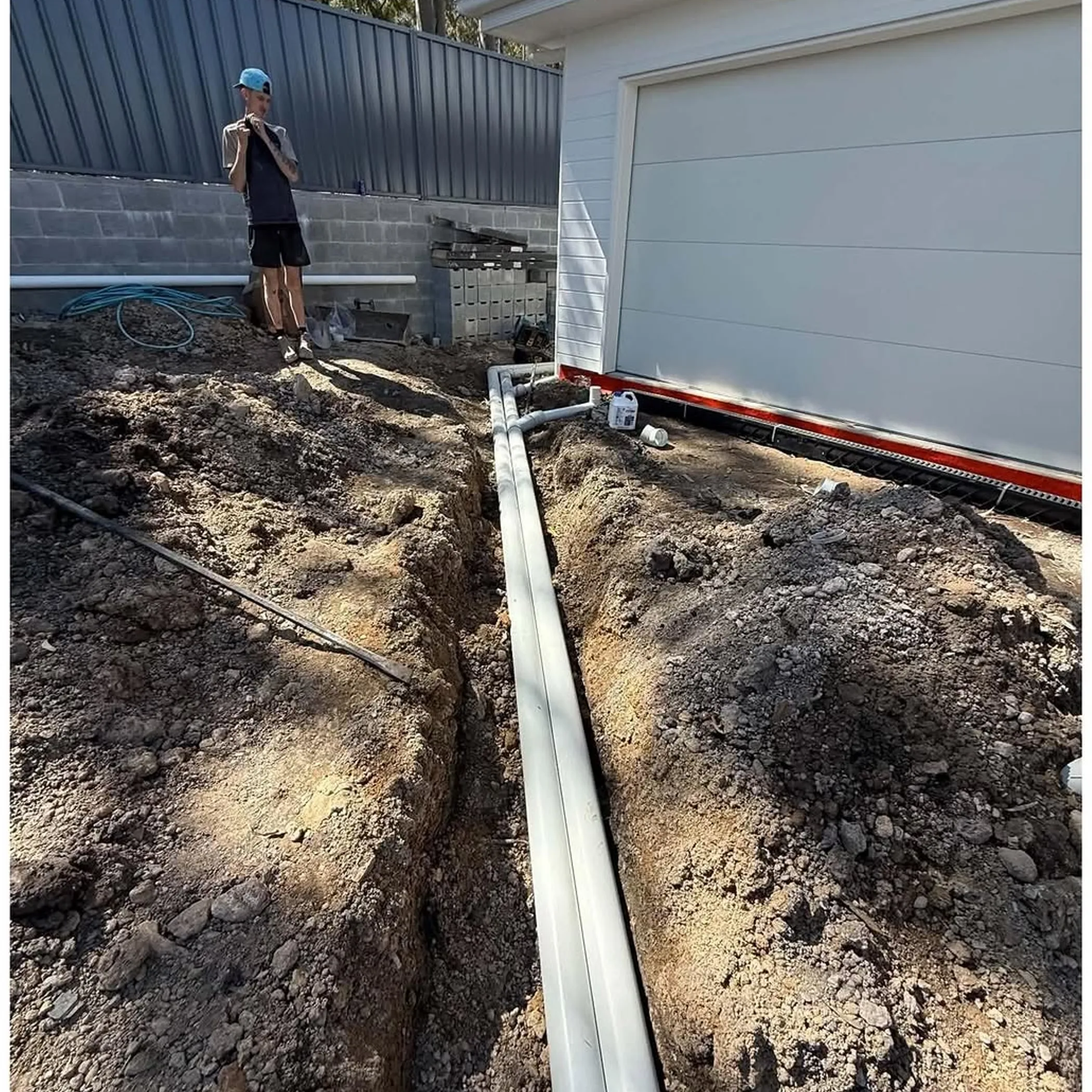
Heated water services come under the purview of AS/NZS 3500.4:2025, encompassing hot-water systems and their pipework as well as components for temperature control and safety. What matters most is that one can rely on the system for scald prevention, correct appliance connection, safe delivery temperatures and to handle pressure, expansion, insulation and any discharge from safety devices.
There are two risks in hot water: injury to a person from too high a temperature and damage to equipment from heat or pressure. An installation should be seen as an integrated whole, not an assemblage of individual fittings.
Installation And Testing Priorities
One must verify the system is fit for the building, its use, the water pressure and fuel source. The standard should be read with the manufacturer’s instructions since there are appliance requirements that will have a bearing on commissioning, drainage, valves and clearances.
It is better to put right a hot-water line that is not properly supported or a tempering valve that is leaking before the wall has been finished and painted; do not put up access panels or hide pipework until you have done your checks on the connections, discharge and safety devices.
State Adoption And Transition
How AS/NZS 3500:2025 is incorporated into Australian plumbing law is a matter for state and territory adoption. While the National Construction Code is the national framework, it is the local regulators and licensing bodies that put plumbing work in order within their own legal systems. Two projects may adhere to the same technical standard yet be subject to different certificates, forms or rules for commencement. The Building and Plumbing Commission Victoria is a case in point for a state regulator, other jurisdictions have their own agencies and ways of doing things.
Who Is To Check What
The onus is on designers to put their assumptions on paper and note the edition of the standard they are using. Builders need to see that the trades have the latest approved drawings and specs. Licensed plumbers must attend to the obligations around testing, certification and installation. Owners should hold on to the approvals and maintenance data.
Where a project was put in hand or contracted prior to the 2025 edition being in force, transition arrangements are relevant. There is no place for mixing editions on an installation without some written explanation. Should a design change impinge on safety controls, materials, sizing or drainage capacity, get the responsible certifier, surveyor or regulator to put his confirmation in writing.
| Project Stage | Useful Compliance Check |
|---|---|
| Planning | Look at what the authority requires and the site conditions, NCC provisions and the appropriate part of AS/NZS 3500. |
| Design | Put down in record the calculations, access needs, overflow and drainage routes. |
| Installation | Stick to the design and approved products, make sure access is maintained and services are protected. |
| Testing | Results of all necessary tests should be on file before anything is concealed or handed over. |
| Handover | Turn over to the owner any limitations, approvals, certificates and information for maintenance. |
Some Practical Advice
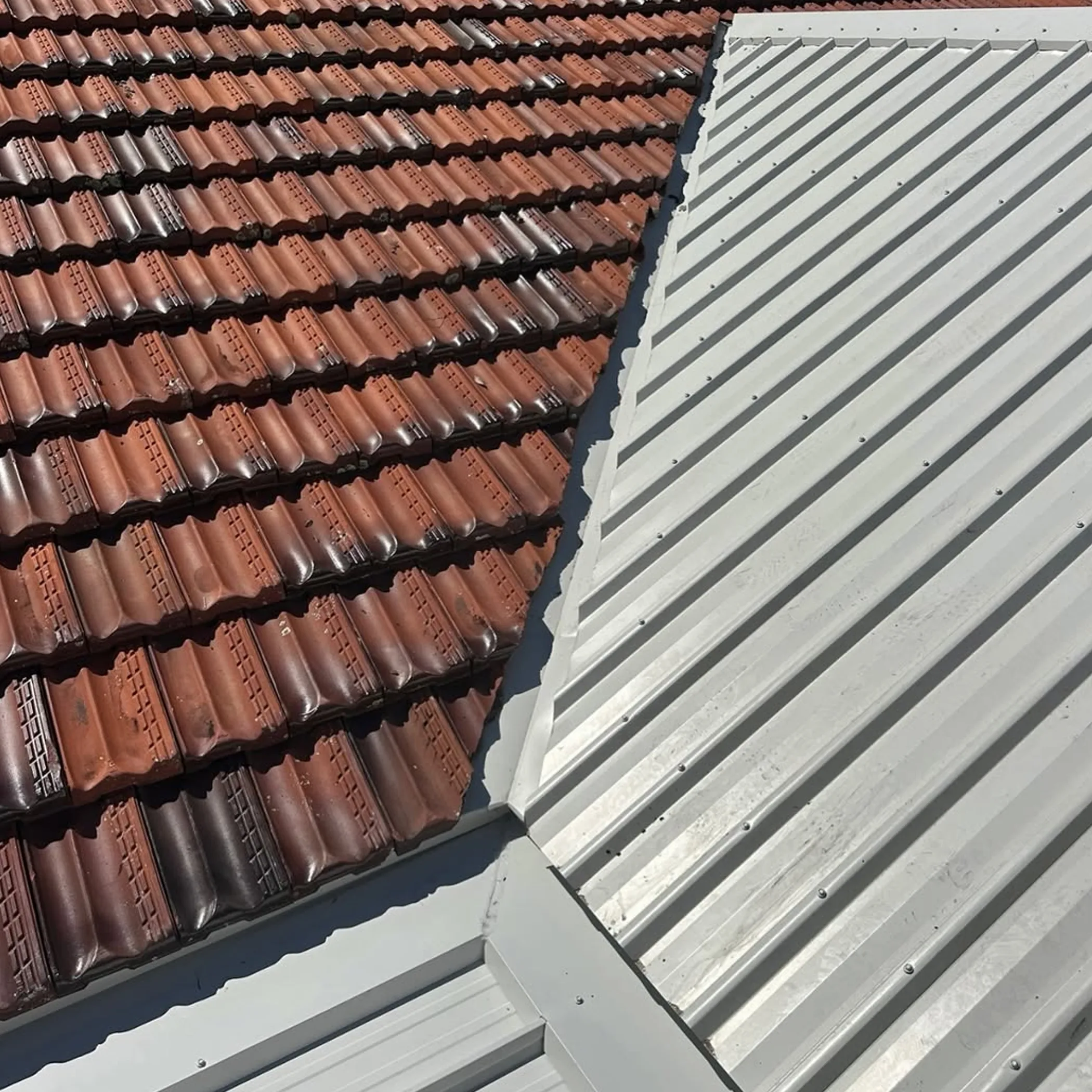
A review in a day should focus on the area of greatest risk. With a reroof, take up AS/NZS 3500.3:2025 and the discharge route in full. A bathroom reno calls for a look at the heated and water services and sanitary drainage as a group.
This is not a job for an unlicensed novice if it is regulated plumbing. A property owner can be of service by collating plans and photos of the services in situ, making sure there is access and inquiring of the licensed contractor as to how he will document the testing and certification.
Then there is the weather which will show up what a dry inspection does not. You might find ponding or a gutter discharging to the wall after a heavy rain. External inspections are best left to calmer times when storms and lightning are not about and roof access is not hazardous. Have the right equipment for safe access and stay away from electrical services.
As for cost, one can hardly put a figure on it in Australian dollars. A service fee for something minor is one thing, but to put in new underground pipework or rework a commercial roof system is a construction expense of another order. Get quotes that are itemised for the investigation, the design, materials, testing and so on.
Frequently Asked Questions
What Are Bathroom Standards In Australia?
Dependent on location and the work at hand, there may be AS/NZS 3500.1:2025 (water services), .2:2025 (sanitary and drainage) or .4:2025 (heated water), to name a few, plus product and NCC 2025 requirements and whatever the state or territory has in place.
What Is The Latest Version Of AS 3500?
The series in question is the AS/NZS 3500:2025, Parts 1 through 4. But check what is legally applicable to the project as transition and adoption dates are not uniform.
Can I Access Australian Standards For Free?
Not to be assumed. A summary on the internet is not the official text with all its amendments. Go to an authorised Standards Australia outlet or library and refer to the NCC and regulator for the details.
Is It Legal To Do Your Own Plumbing?
You may be allowed to do some maintenance but for anything regulated an appropriately licensed person is called for. States and territories have their own rules. Make sure with the local authority if you are going to be tampering with stormwater, sanitary or water services whether an inspection or certificate is in order.
Do The 2025 Rules Apply Everywhere?
Not in every instance across Australia. The standard could be made relevant by contract, an approval condition or some state instrument as well as the NCC. Before you count on it, have a look at the jurisdiction, the date of the project and the documents.
Compliance In A Nutshell
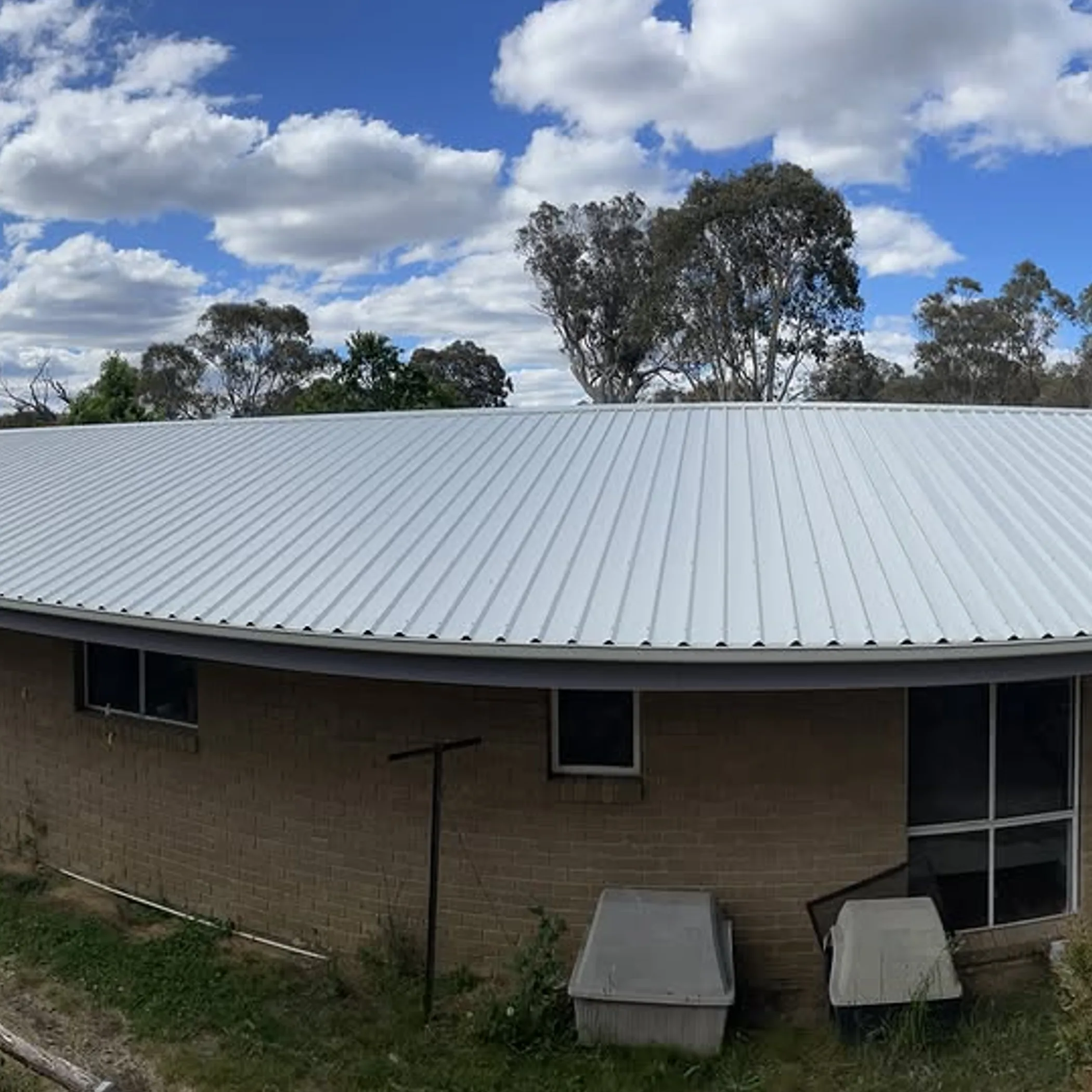
With AS/NZS 3500:2025 the central standards for Australian plumbing and drainage are brought up to date, but compliance is more of a chain than a document. See that the right part is reviewed, the NCC and local pathway are in order, the material is of a suitable quality and the installation and testing are done properly with evidence to hand for the handover.
In the case of roof drainage, go over the whole of the route from catchment to discharge, that is where the trouble is to be found. Some forethought before a pipe is cut will do much to avoid the patching and the arguments, and having to stand in the rain with a bucket.
